
Introduction
Uva Spina, a member of the Grossulariaceae family, is a unique plant known for its large, sweet berries. Unlike other thorny plants in the same genus, Uva Spina produces fruit that can be used in various culinary applications, from jams and preserves to medicinal purposes.
Cultivation of Uva Spina
Uva Spina has been cultivated since 1700, with initial reports coming from England, suggesting that it was introduced from this island to the rest of Europe. The Germanic countries have particularly appreciated this plant for its fruit production. When choosing a suitable location for cultivation, consider a medium-lofty soil with an optimal pH of 6.5 and high humidity. Adequate water supply is also crucial during the flowering period.
Optimizing Soil Conditions
To ensure healthy growth, Uva Spina requires abundant fertilization, particularly phosphorus and potassium supplements. Providing support for the plant’s robust yet delicate branches will also help to prevent damage from prolonged branch length. The plant can tolerate slightly calcareous soils but may require additional care when dealing with argillic soils.
Plant Characteristics
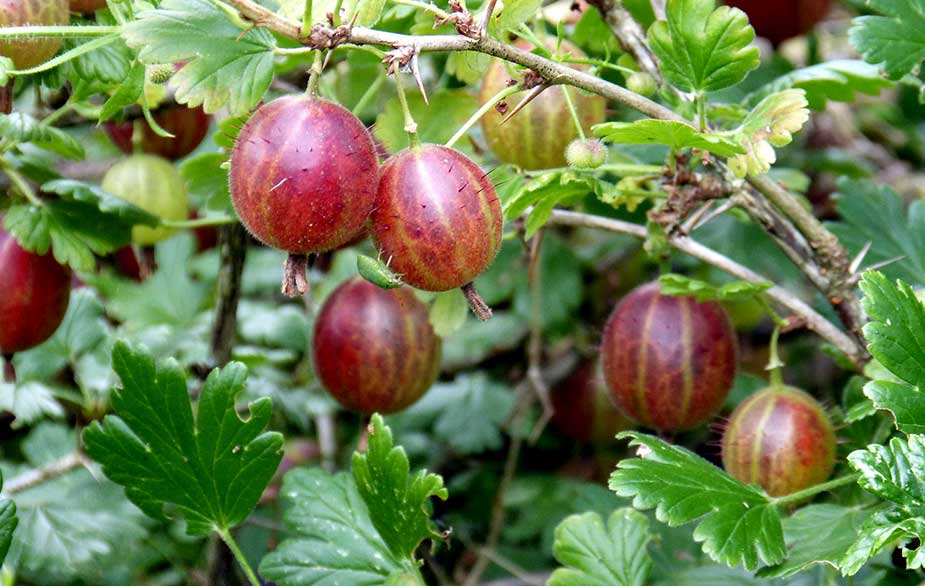
Uva Spina is an evergreen shrub that grows up to 2 meters tall, featuring robust branches and sharp thorns. The flowers appear in clusters, either individually or in pairs or triplets, while the fruit is a large, rounded berry that can measure between 10-25 mm in diameter, with varying colors ranging from green to violet.
Types of Uva Spina
Different varieties of Uva Spina exist, including those with red or reddish-brown fruits. The Poorman variety, originating from the United States, is known for its smaller berries used in fruit preserves. On the other hand, the Winham Industry Uva Spina rossa is a British variety with large, oblong-shaped berries that exhibit a deep purple color.
Sensitivity to Diseases
One significant concern when cultivating Uva Spina is its high sensitivity to diseases such as oidium, for which specific synthetic fungicides are recommended. Additionally, the plant’s susceptibility to sulfur can cause damage, potentially leading to plant death or stunted growth.
White Uva Spina Varieties
The white variety of Uva Spina features berries with shades ranging from greenish-yellow to golden-brown and comes in different cultivars such as Careless, White Smith, and Leveller. These European varieties are more susceptible to oidium than their American counterparts but show better adaptability to local climates.
Uva Spina India (Phyllanthus Emblica L.)
Uva Spina Indica, also known as Amla, is a tropical plant with potential health benefits due to its antiviral and antimicrobial properties. For further information on Amla’s medicinal uses, refer to the dedicated article.
Jam Production
One of Uva Spina’s primary applications is in the production of jams and preserves. Fresh berries may be purchased but are less commonly enjoyed compared to processed or dried products. The jam made from Uva Spina is known for its sweet-tart taste and has been used as a natural remedy for urinary issues.
Recipe: Uva Spina Torte
A delicious recipe featuring the fruit includes torte, where you will need:
- 600 grams of Uva Spina
- Flour
- Butter
- Sugar
- Anise-flavored liqueur
- Eggs
- Cream
- Biscuits
The preparation involves mixing flour with butter to form a dough, adding sugar and eggs before covering it for 30 minutes in the fridge. The dough is then shaped into a circle, placed in an already prepared mold, and topped with biscuit crumbs and marinated berries.
Uva Spina’s Nutritional Value
Uva Spina is rich in vitamins A and C, as well as minerals like potassium and magnesium. These nutrients provide a range of health benefits, including the protection against oxidative stress and the support for immune function.
Medicinal Applications
Some studies suggest that Uva Spina may possess antiviral and antimicrobial properties with potential health benefits. The fruit’s high antioxidant content can also help protect against chronic diseases such as heart disease and cancer.
Environmental Impact
Uva Spina is a low-maintenance plant, requiring minimal resources to cultivate. Its thorny branches provide natural protection from pests and diseases, reducing the need for pesticides and fungicides. However, large-scale cultivation may result in soil erosion if proper soil conservation techniques are not employed.
Conclusion
In conclusion, Uva Spina offers an appealing blend of taste, nutrition, and versatility, making it a valuable addition to any garden or culinary space.
Frequently Asked Questions (FAQs)
- What is the ideal pH range for cultivating Uva Spina?
- The optimal pH range for cultivation is between 6.0 and 7.0.
- How do I protect my Uva Spina from diseases?
- Uva Spina is highly susceptible to oidium; thus, using specific synthetic fungicides will help prevent damage.
- Is there any connection between Uva Spina consumption and urinary issues?
- Research suggests that Uva Spina may exhibit diuretic and laxative effects, providing relief for mild constipation issues.
- How do I choose the right variety of Uva Spina based on my climate?
- European varieties tend to be more sensitive to diseases such as oidium but are better adapted to local climates than their American counterparts.
- What is the recommended method for cultivating Uva Spina in calcareous soils?
- Uva Spina can tolerate slightly calcareous soils, but additional care may be required when dealing with argillic soils.
- Can I use Uva Spina as a natural remedy for various health issues?
- Although limited research exists on the subject, some studies suggest that Uva Spina may possess antiviral and antimicrobial properties with potential health benefits.
Note: All information is provided based on available data and should be used as a starting point for further research.


