
Introduction
The concept of the “good neighbor” is often associated with a sense of community and cooperation. It’s an idea that has been around for centuries, but has gained renewed attention in recent years as people seek out more sustainable and environmentally-friendly living options. In this article, we’ll explore what it means to be a good neighbor and how it can be achieved through simple, yet effective, design choices.
The Benefits of Good Neighborliness
Good neighborliness is not just about being friendly and courteous to those around you. It’s also about creating a sense of community and shared responsibility. When neighbors work together, they can achieve things that would be impossible on their own. For example, in the 19th century, rural communities often relied on each other for help with harvests and other tasks.
The Evolution of Good Neighborliness
As cities grew and urbanization became more prevalent, the concept of good neighborliness evolved to include more formalized structures such as cohousing developments. However, these developments often lacked the sense of community and shared responsibility that traditional rural communities had.
Case Study: Villaggio ViBRE
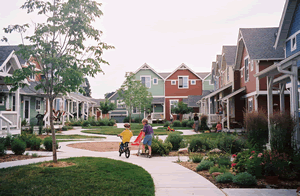
The Villaggio ViBRE in Casatenovo, Italy is a perfect example of how good neighborliness can be achieved through design choices. This bioedile house (a combination of eco-building and social housing) features open spaces, shared gardens, and efficient energy systems.
How Forms and Materials Contribute to Good Neighborliness
The forms and materials used in the Villaggio ViBRE contribute significantly to its sense of community. For example, the use of natural materials such as wood creates a warm and welcoming atmosphere that fosters social interaction. The open spaces also encourage neighbors to interact with each other.
Regulations and Rules
While good neighborliness is about creating a sense of community, it’s not just about being friendly and courteous. There are also rules and regulations that can help create a cohesive and harmonious living environment. For example, the Villaggio ViBRE has a shared barbecue area where neighbors can gather and socialize.
Cost Considerations
One common misconception is that eco-friendly design is expensive. However, this is not always the case. In fact, many of the materials used in sustainable design are cost-effective in the long run. For example, efficient energy systems can save money on utility bills over time.
Community Engagement
Community engagement is a critical component of good neighborliness. When neighbors work together, they can achieve things that would be impossible on their own. This can include community events, shared gardening, and other activities that bring people together.
Building Relationships
Building relationships with your neighbors is an important part of creating a sense of community. By getting to know them and building rapport, you can create a stronger bond and foster a sense of cooperation.
Conflict Resolution
Conflict resolution is also an important aspect of good neighborliness. When disagreements arise, it’s essential to address them in a constructive manner to avoid escalating the situation.
Case Study: The Cohousing Movement
The cohousing movement has gained popularity in recent years as people seek out more sustainable and environmentally-friendly living options. However, many cohousing developments have been criticized for lacking the sense of community and shared responsibility that traditional rural communities had.
Benefits of Cohousing
Cohousing can provide a range of benefits, including reduced utility bills, increased social interaction, and improved mental health. However, these benefits are often achieved through formalized structures such as shared gardens and community centers.
Challenges of Cohousing
Despite its benefits, cohousing development has faced several challenges. These include issues with noise, maintenance, and governance.
Alternative to Cohousing: Bioedile Housing
Bioedile housing is a sustainable design approach that combines eco-building and social housing principles. This approach prioritizes community engagement, social interaction, and environmental sustainability.
Benefits of Bioedile Housing
Bioedile housing provides several benefits, including reduced utility bills, improved air quality, and increased social interaction. These benefits are achieved through the use of natural materials, efficient energy systems, and shared facilities such as gardens and barbecue areas.
Cost Considerations for Bioedile Housing
While bioedile housing may seem expensive upfront, it can provide long-term cost savings on utility bills and other expenses. For example, efficient energy systems can save money on electricity and heating over time.
Conclusion
The concept of good neighborliness is more than just a buzzword; it’s a way of life that requires effort and commitment from everyone involved. By incorporating simple design choices into our homes and communities, we can create a sense of shared responsibility and social interaction that benefits everyone.
Frequently Asked Questions
- What is the Villaggio ViBRE?
The Villaggio ViBRE is a bioedile house in Casatenovo, Italy that features open spaces, shared gardens, and efficient energy systems. - How does good neighborliness contribute to a sense of community?
Good neighborliness creates a sense of shared responsibility and social interaction among neighbors, which can lead to stronger, more cohesive communities. - What are some design choices that promote good neighborliness?
Some design choices that promote good neighborliness include open spaces, natural materials, efficient energy systems, and shared facilities such as gardens and barbecue areas. - How can I create a sense of community in my own neighborhood?
To create a sense of community in your own neighborhood, try to get to know your neighbors and build relationships with them. You can also organize community events or activities that bring people together. - What are some cost-effective sustainable design choices?
Some cost-effective sustainable design choices include using natural materials, efficient energy systems, and low-maintenance landscaping. - How does good neighborliness affect our mental health?
Good neighborliness has been shown to have a positive impact on mental health by reducing stress and anxiety and promoting social interaction and connection. - Can I implement eco-friendly design in my own home without breaking the bank?
Yes, many eco-friendly design choices are cost-effective in the long run. For example, efficient energy systems can save money on utility bills over time. - How does good neighborliness contribute to our well-being?
Good neighborliness contributes to our well-being by promoting social interaction, reducing stress and anxiety, and creating a sense of shared responsibility and community.
Additional Resources
If you’re interested in learning more about sustainable design and community engagement, here are some additional resources:
- The United Nations Environment Programme (UNEP)
- The World Green Building Council
- The National Association of Home Builders
These organizations provide valuable information on sustainable design, energy efficiency, and community engagement. They also offer resources for homeowners, builders, and communities looking to adopt more sustainable practices.
Conclusion
In conclusion, good neighborliness is a simple yet effective way to create a sense of community and shared responsibility in our neighborhoods. By incorporating sustainable design choices into our homes and communities, we can promote social interaction, reduce stress and anxiety, and create a more harmonious living environment.


