
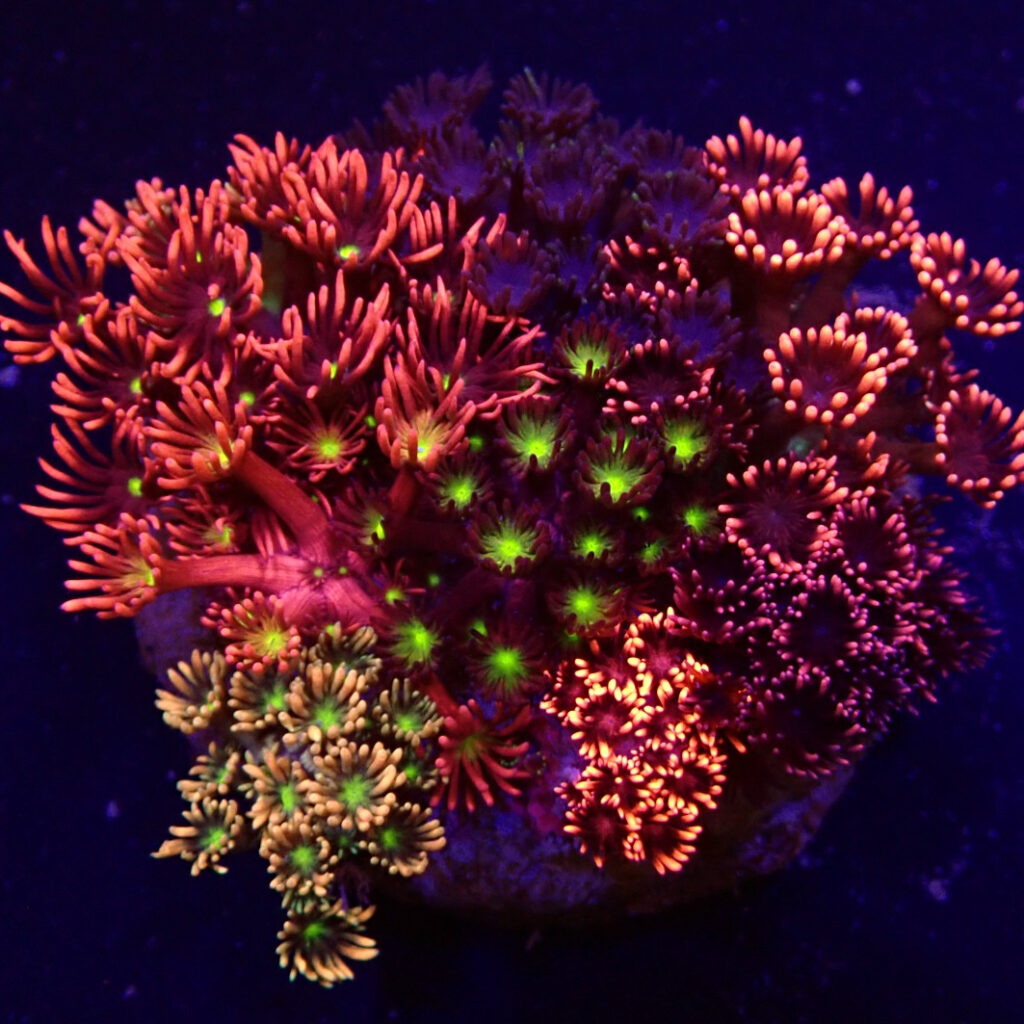
Goniopora, a type of coral known for its unique characteristics and challenging care requirements, can be a fascinating addition to any marine aquarium. However, for those new to corals or inexperienced in maintaining an underwater ecosystem, caring for gonioporas may seem daunting.
In this article, we will delve into the world of goniopora, exploring its origins, habitat, behavior, and specific care requirements. We’ll also discuss common issues that can arise when keeping gonioporas and provide guidance on how to address them.
What is Goniopora?
Goniopora is a type of coral that belongs to the class Anthozoa, which includes corals and sea anemones. These corals are known for their hard, stony skeletons and can grow up to 30 cm in length. They have a unique body structure, with long, tube-like polyps that extend from the skeleton.
Habitat and Distribution
Goniopora is found in tropical waters around the world, including the Pacific Ocean. In their natural habitat, they thrive in shallow, coastal areas with low levels of light. However, when kept in aquariums, gonioporas require specific lighting conditions to promote growth and health.
Lighting Requirements
One of the primary challenges when keeping gonioporas is providing them with suitable lighting. These corals prefer medium-low lighting conditions, which can be achieved using LED or T5 lighting fixtures. Avoid using high-intensity lighting, as this can cause stress and promote algae growth.
In addition to lighting requirements, it’s essential to provide a photoperiod of 10-12 hours of light per day for gonioporas. This simulates the natural light cycle found in their wild habitat and promotes healthy growth.
Water Quality and Temperature
Gonioporas are sensitive to changes in water quality and temperature. They require regular water changes and a stable temperature range of 25-28°C (77-82°F). Additionally, they need a moderate current, which can be achieved using powerheads or gentle circulation systems.
To maintain good water quality, perform regular water changes (10-15% every week) and monitor parameters such as pH, ammonia, and nitrite levels. A stable pH range of 8.1-8.4 is also crucial for gonioporas.
Diet and Feeding
Gonioporas are filter feeders that rely on tiny organisms and plankton for food. In the wild, they inhabit areas with high levels of nutrients, such as coastal waters with dense phytoplankton growth. To replicate this in an aquarium, it’s essential to provide a balanced diet that includes small invertebrates, fish food, or commercial coral foods.
Feeding gonioporas regularly is crucial to promote healthy growth and prevent nutrient deficiencies. Aim to feed them 2-3 times a week, using a varied diet that includes a mix of meaty and algae-based foods.
Common Issues and Solutions
One common issue when keeping gonioporas is stress, which can cause them to close their polyps. This can be triggered by changes in lighting, water temperature, or other environmental factors. To address this, try reducing the lighting intensity or providing additional hiding places for your corals.
Another challenge when caring for gonioporas is maintaining good water quality. Regular water changes and monitoring of parameters such as pH, ammonia, and nitrite levels are crucial to preventing stress and disease.
Goniopora Care and Maintenance
To keep your gonioporas healthy and thriving, follow these guidelines:
- Provide a suitable environment with moderate lighting and gentle currents.
- Maintain good water quality through regular water changes and monitoring of parameters.
- Feed them regularly using small invertebrates or commercial coral foods.
- Avoid overfeeding, as this can lead to nutrient deficiencies.
FAQs
- What is the recommended temperature range for gonioporas?
- The ideal temperature range for gonioporas is between 25-28°C (77-82°F).
- How often should I feed my goniopora?
- Feed your goniopora regularly, but avoid overfeeding.
- What type of lighting do gonioporas prefer?
- Gonioporas prefer medium-low lighting conditions, such as LED or T5 lighting fixtures.
- How often should I perform water changes for my goniopora?
- Regular water changes (10-15% every week) are essential to maintain good water quality.
By understanding the specific needs and requirements of gonioporas, you can create a thriving environment for these beautiful corals. With proper care and attention, your gonioporas will flourish, providing a stunning addition to any marine aquarium.
Additional Tips and Considerations
- Gonioporas are sensitive to water chemistry, so it’s essential to monitor parameters such as pH, ammonia, and nitrite levels.
- Regularly inspect your corals for signs of stress or disease, and take prompt action if you notice any issues.
- Avoid over-handling or touching your gonioporas, as this can cause physical damage and stress.
By following these guidelines and tips, you can create a thriving environment for your gonioporas and enjoy the beauty and majesty of these incredible corals.


