
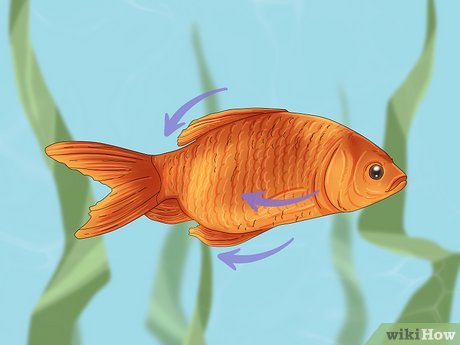
As a responsible aquarist, it’s natural to be concerned when your red fish begins swimming abnormally. This article will delve into the possible causes of swimming abnormalities in red fish and provide solutions to help you address these issues.
Understanding Red Fish Anatomy
The red fish, belonging to the Cyprinidae family, has a unique anatomy that plays a crucial role in its swimming behavior. Its oval-shaped body and compressed lateral shape enable it to move efficiently through the water. The fish’s system of skeletal support is comprised of bones and cartilages, while its musculature accounts for approximately 40% of its total weight.
The red fish also possesses an intricate respiratory system, comprising branchiae that facilitate oxygen uptake from the surrounding water. Moreover, it has a natatory vesicle, which regulates its buoyancy levels, enabling it to maintain a stable position in the water.
Swimming Abnormalities: Causes and Symptoms
Red fish swimming abnormally can be caused by various factors, including disturbances to the natatory vesicle, balance problems, or infections. The distension of the natatory vesicle disrupts normal swimming patterns, leading to erratic movements or stunted gait.
Some common causes of swimming abnormalities in red fish include:
• Disturbances to the natatory vesicle: This is a common cause of swimming abnormalities in red fish. The natatory vesicle plays a crucial role in regulating the fish’s buoyancy levels, and any disturbances to this system can lead to abnormal swimming patterns.
• Infections (bacterial or parasitic): Bacterial or parasitic infections can also cause swimming abnormalities in red fish. These infections can damage the fish’s internal organs or tissues, leading to abnormal behavior.
• Poor water quality: Poor water quality can also contribute to swimming abnormalities in red fish. Low oxygen levels, high ammonia levels, or other water quality issues can stress the fish and lead to abnormal swimming patterns.
If your red fish exhibits symptoms such as erratic movement, stumbling, or failure to ascend/descend properly, it may be a sign of an underlying issue.
Diagnostic Techniques and Treatment Options
To diagnose swimming abnormalities in red fish, you can follow these steps:
- Examine the aquarium water quality: Regularly testing the pH levels, ammonia levels, and other parameters will help identify any issues that may be contributing to the swimming abnormality.
- Consult with a veterinarian specializing in aquatic animals: A qualified veterinarian can examine your red fish and provide guidance on the best course of treatment.
- Administer nutritional supplements as recommended by your vet: Providing balanced and nutritious food can help alleviate symptoms and support the overall health of your red fish.
If your red fish has developed a swimming abnormality, there are several treatment options available:
- Dietary interventions: Providing balanced and nutritious food can help alleviate symptoms.
- Surgical interventions: In severe cases, surgical procedures may be necessary to repair damaged tissues or organs.
- Environmental changes: Making environmental changes such as adjusting the water temperature, pH levels, or other parameters can also help alleviate symptoms.
Environmental Factors
The quality of the water in your aquarium plays a significant role in maintaining the health and well-being of your red fish. Here are some tips for creating an optimal environment:
- Maintain proper water temperature: The ideal water temperature for red fish is between 65°F and 75°F (18°C and 24°C).
- Regularly test pH levels: Regular testing of pH levels can help identify any issues that may be contributing to the swimming abnormality.
- Install adequate filtration systems: Proper filtration systems are essential for maintaining clean water and preventing the buildup of toxins.
To create a stimulating environment, consider adding plants, rocks, and hiding places. These features can provide your red fish with plenty of opportunities for exercise and exploration.
Genetics and Reproduction
The genetics of the red fish play a crucial role in determining its ability to swim correctly. In selecting breeding stock for reproduction purposes, it is essential to choose individuals with optimal genetic profiles.
By understanding the complex interactions between environmental factors, nutrition, and genetics, you can take steps to prevent swimming abnormalities in your red fish and ensure they thrive in their aquarium environment.
FAQs
Q: What are some common causes of swimming abnormalities in red fish?
A: Disturbances to the natatory vesicle, balance problems, or infections are common causes of swimming abnormalities in red fish.
Q: How can I diagnose a swimming abnormality in my red fish?
A: Examine the aquarium water quality and consult with a veterinarian specializing in aquatic animals for proper diagnosis and treatment.
Q: What dietary interventions can help alleviate symptoms?
A: Providing balanced and nutritious food, as recommended by your veterinarian, can help alleviate symptoms.
Q: Are there any surgical interventions available to treat swimming abnormalities?
A: In severe cases, surgical procedures may be necessary to repair damaged tissues or organs.
Q: How do environmental factors affect the health of red fish?
A: Maintaining proper water temperature, regularly testing pH levels, and installing adequate filtration systems can help maintain optimal aquarium conditions.
Q: What role does genetics play in determining swimming ability in red fish?
A: The genetics of the red fish determine its ability to swim correctly. Selecting breeding stock with optimal genetic profiles is essential for reproduction purposes.
Q: How can I prevent swimming abnormalities in my red fish?
A: By understanding the complex interactions between environmental factors, nutrition, and genetics, you can take steps to prevent swimming abnormalities in your red fish.
By addressing these common causes of swimming abnormalities in red fish and taking preventative measures, you can help maintain a healthy and thriving aquarium environment for all your aquatic friends.


