
As the world becomes increasingly aware of the importance of healthy eating and sustainable living, many people are turning to alternative dairy products as a way to reduce their environmental impact and improve their overall well-being. One such product is goat’s milk, which has been consumed for centuries in various parts of the world.
What is Goat’s Milk?
Goat’s milk is a type of dairy product that is obtained from goats. It is rich in nutrients and contains a unique combination of fatty acids, vitamins, and minerals that make it an attractive alternative to traditional cow’s milk. In this article, we will explore the benefits of goat’s milk, its nutritional profile, and some common questions about its use.
Nutritional Profile
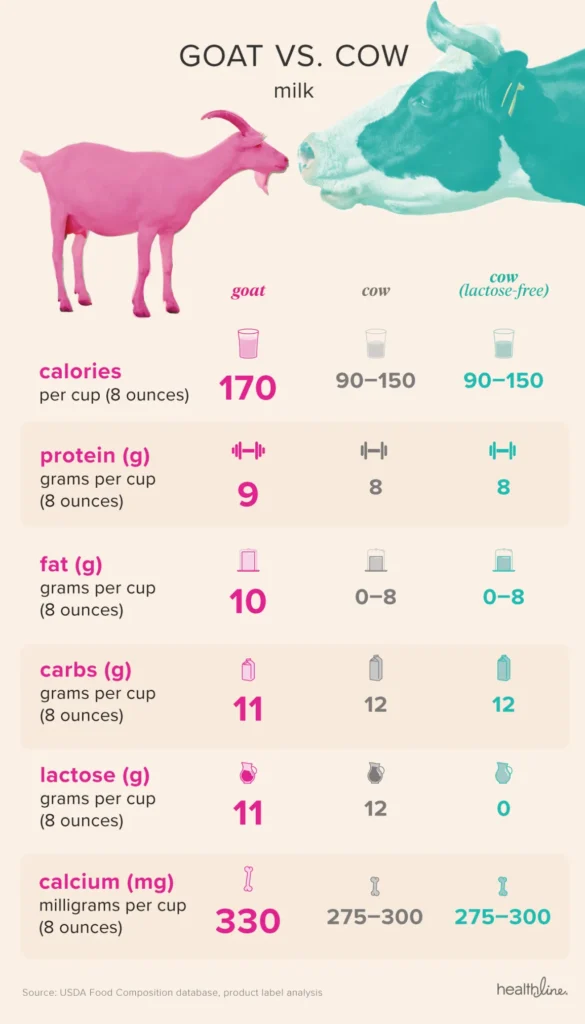
Goat’s milk has a slightly sweeter taste than cow’s milk and contains fewer calories (69 kcal per 100 grams). It is also lower in saturated fat and cholesterol compared to cow’s milk. One cup of goat’s milk contains:
- 3.6 grams of protein
- 4.1 grams of fat
- 204 milligrams of potassium
- 134 milligrams of calcium
- 198 IU of vitamin A
- 51 IU of vitamin D
Benefits of Goat’s Milk
Goat’s milk has been shown to have several health benefits, including:
- Lowering cholesterol levels: The saturated fat content in goat’s milk is lower than in cow’s milk, which may help reduce cholesterol levels and improve heart health.
- Improving digestion: Goat’s milk contains a type of protein called A2 casein, which may be easier to digest for some people than the A1 casein found in cow’s milk.
- Reducing inflammation: The fatty acids present in goat’s milk have anti-inflammatory properties, which may help reduce inflammation and improve overall health.
- Supporting immune function: Goat’s milk contains a type of protein called immunoglobulins, which may help support immune function and reduce the risk of illness.
Is Goat’s Milk Suitable for Infants?
While goat’s milk can be a nutritious and healthy option for adults, it is not recommended as a primary source of nutrition for infants. The American Academy of Pediatrics (AAP) advises against feeding goat’s milk to babies due to concerns about its nutritional content.
- Protein: Goat’s milk contains more protein than cow’s milk, which can be beneficial for infants.
- Calcium: Goat’s milk is rich in calcium, an essential nutrient for bone development in children.
- Iron: Goat’s milk contains less iron than cow’s milk, which may not provide enough iron for infant growth and development.
However, the AAP also notes that goat’s milk may not provide enough iron or other nutrients that are essential for infant growth and development.
Comparison to Cow’s Milk
Goat’s milk has a similar nutritional profile to cow’s milk but contains more potassium and less saturated fat. Some people prefer the taste of goat’s milk, while others find it too sweet.
- Taste: Goat’s milk is often described as sweeter than cow’s milk.
- Digestibility: Goat’s milk can be easier to digest for some people due to its lower levels of lactose.
- Allergy concerns: Some people may be allergic to goat’s milk, which can cause symptoms such as hives, itching, and difficulty breathing.
Conclusion
Goat’s milk is a nutritious and healthy alternative to traditional dairy products. Its unique nutritional profile and potential health benefits make it an attractive option for those looking to reduce their environmental impact and improve their overall well-being. However, it is essential to consider the specific needs of infants and consult with healthcare professionals before introducing goat’s milk into your diet.
Frequently Asked Questions
- What are the benefits of goat’s milk?
- Lower cholesterol levels
- Improved digestion
- Reduced inflammation
- Supported immune function
- Is goat’s milk suitable for infants?
- No, due to concerns about its nutritional content.
- What is the difference between goat’s milk and cow’s milk?
- Goat’s milk contains more potassium and less saturated fat.
- How do I choose a high-quality goat’s milk product?
- Look for products that are labeled as “grass-fed” or “pasture-raised”.
- Can I use goat’s milk in place of cow’s milk in recipes?
- Yes, but keep in mind that the flavor and texture may be slightly different.
- Is goat’s milk suitable for people with lactose intolerance?
- Some people find goat’s milk easier to digest than cow’s milk due to its lower levels of lactose.
- Can I drink goat’s milk straight from the bottle or do I need to heat it up?
- It depends on personal preference, but some people prefer their goat’s milk chilled and others like it hot.
- Is goat’s milk a good source of protein for athletes?
- Yes, due to its high protein content.
By understanding the benefits and nutritional profile of goat’s milk, you can make informed decisions about whether it is right for you or your family.
Additional Benefits of Goat’s Milk
In addition to its potential health benefits, goat’s milk has also been shown to have several practical uses:
- Skincare: The fatty acids present in goat’s milk may help moisturize and nourish the skin.
- Cosmetics: Goat’s milk is sometimes used as an ingredient in cosmetics due to its moisturizing properties.
- Hair care: Goat’s milk has been shown to improve hair health and reduce dandruff.
Culturing Goat’s Milk
Goat’s milk can be cultured with probiotic bacteria, which may help support digestive health. Some people also use goat’s milk as a base for homemade cheese and yogurt.
- Probiotics: The probiotics present in cultured goat’s milk may help improve digestion and immune function.
- Homemade cheese and yogurt: Goat’s milk can be used to make a variety of dairy products, including cheese and yogurt.


