
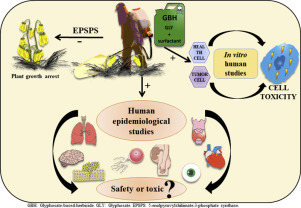
Glufosato is a controversial herbicide that has been widely used in agriculture for decades. While it may seem like a harmless chemical, research has linked it to various health problems and environmental concerns. In this article, we’ll delve into the world of glufosate, exploring what it is, where it’s found, its potential health effects, and how to avoid exposure.
What is Glufosato?
Glufosato is a widely used herbicide that was first introduced in 1974 by Monsanto (now owned by Bayer). It has become one of the most popular herbicides globally, with millions of tons applied every year. Despite its widespread use, glufosato has been linked to several health problems and environmental concerns.
The Science Behind Glufosato
Glufosato works by inhibiting an enzyme called 5-enolpyruvylshikimate-3-phosphate synthase (EPSPS), which is essential for plant growth. However, this herbicide has also been shown to have unintended consequences, including:
- Cancer risk: Glufosato has been classified as “probably carcinogenic” to humans by the International Agency for Research on Cancer (IARC).
- Endocrine disruption: Glufosato can interfere with hormonal balance in the body, leading to problems such as low testosterone levels and reproductive issues.
- Genotoxicity: Glufosato has been shown to damage genetic material, which can lead to an increased risk of cancer and other health problems.
Where is Glufosato Found?
Glufosato is not just a problem in the agricultural sector; it’s also found in various food products, including:
- Fruits and vegetables: Many fruits and veggies are contaminated with glufosato due to their proximity to treated fields.
- Pasta and cereals: Some pasta and cereal products may contain glufosato residues.
- Meat and dairy: Glufosato can also be found in meat and dairy products, particularly those produced from animals fed genetically modified crops.
How to Avoid Exposure
To minimize your exposure to glufosato, follow these tips:
- Buy organic produce: Choose fruits and veggies that are grown using organic methods.
- Read labels carefully: Check the ingredients of food products and look for certifications like “gluten-free” or “non-GMO”.
- Avoid heavily sprayed areas: If you live near agricultural areas, try to avoid walking through fields or parks where glufosato may be applied.
- Use non-toxic gardening methods: Instead of using herbicides, consider using non-toxic methods like mulching or hand-weeding to control weeds.
Frequently Asked Questions
Here are some common questions about glufosato:
- Is glufosato safe for human consumption?
- No, glufosato has been linked to various health problems, including cancer and reproductive issues.
- Can I grow my own food without using glufosato?
- Yes, you can grow your own food using organic methods or non-GMO seeds.
- What are the environmental impacts of glufosato?
- Glufosato can contaminate soil, water, and air, posing risks to wildlife and ecosystems.
- How can I support farmers who use sustainable practices?
- You can support local farmers who use organic methods or non-GMO seeds by purchasing their produce directly from them.
The Long-Term Effects of Glufosato Exposure
While the short-term effects of glufosato exposure may not be immediately apparent, long-term exposure to this herbicide has been linked to a range of health problems. Some potential long-term effects include:
- Neurological damage: Prolonged exposure to glufosato has been linked to neurological damage, including tremors and muscle weakness.
- Reproductive issues: Glufosato has been shown to disrupt reproductive hormones, leading to fertility problems and birth defects.
- Cancer risk: The International Agency for Research on Cancer (IARC) has classified glufosato as “probably carcinogenic” to humans.
Alternatives to Glufosato
If you’re concerned about the risks associated with glufosato, there are several alternatives available. Some options include:
- Herbicides made from natural ingredients: There are a range of herbicides available that are made from natural ingredients, such as essential oils or plant extracts.
- Non-toxic gardening methods: Consider using non-toxic methods like mulching or hand-weeding to control weeds.
- Organic farming practices: Support local farmers who use organic methods and non-GMO seeds.
Conclusion
Glufosato is a chemical that has been linked to various health problems and environmental concerns. While it may seem harmless, research has shown that glufosato can have serious consequences for human health and the environment. By understanding the risks associated with glufosato and taking steps to avoid exposure, you can protect yourself and the environment. Consider alternatives like natural herbicides or non-toxic gardening methods, and support local farmers who use sustainable practices.


