
Understanding Glufosate: A Chemical Controversy
Glufosate, commonly referred to as glifosate, is a chemical compound at the center of numerous debates due to its potential toxicity. Classified as a “probable carcinogen,” this substance has been subject to various restrictions and regulations in Italy, with a more stringent ban expected from the Ministry of Health soon.
What is Glufosate?
Glufosate is a widely used pesticide in agriculture, employed extensively in the production of crops. According to the Environmental Protection Agency (EPA), approximately 750 million kilograms of glufosate were utilized in the United States alone during the 2006-2007 agricultural season.
In Italy, glufosate use has been substantial as well. Data from ARPAV reveals that 55,000 kilograms of glufosate were used in 2007, although this number is somewhat mitigated by the fact that another toxic herbicide, ammonium-glufosinate, was phased out at a similar time.
However, it’s worth noting that ammonium-glufosinate has been classified as mutagenic, carcinogenic, and toxic, capable of causing issues such as infertility problems.
Glufosate Toxicity
As a probable carcinogen, glufosate poses significant risks to human health. Despite this, the chemical industry has promoted it under labels like “eco-friendly” or “biodegradable.” However, similar substances have faced similar fates in the past, such as DDT.
The implications of widespread DDT use are well-known: severe impact on biodiversity and environmental damage. While the effects of glufosate on human health remain a pressing concern, studies suggest it might even possess greater toxicity than DDT.
The broader impacts of pesticide use have been highlighted in various studies, including those examining DDT’s effect on humans. These findings include increased cancer risk, reproductive problems, respiratory issues, and a host of other negative outcomes for individuals exposed to these chemicals.
Regulation and Limitations in Italy
Recent restrictions have come into effect in the European Union, including Italy. Specific guidelines limit glufosate usage in areas frequented by human populations or vulnerable groups such as children, elderly, and newborns. Additionally, a ban is imposed on its use in areas where groundwater can be contaminated.
Furthermore, an outright prohibition on agricultural use may follow suit. For now, restrictions focus on preventing contamination of underground water sources, soil with high sand content, and other susceptible zones.
Glufosate in Food Products
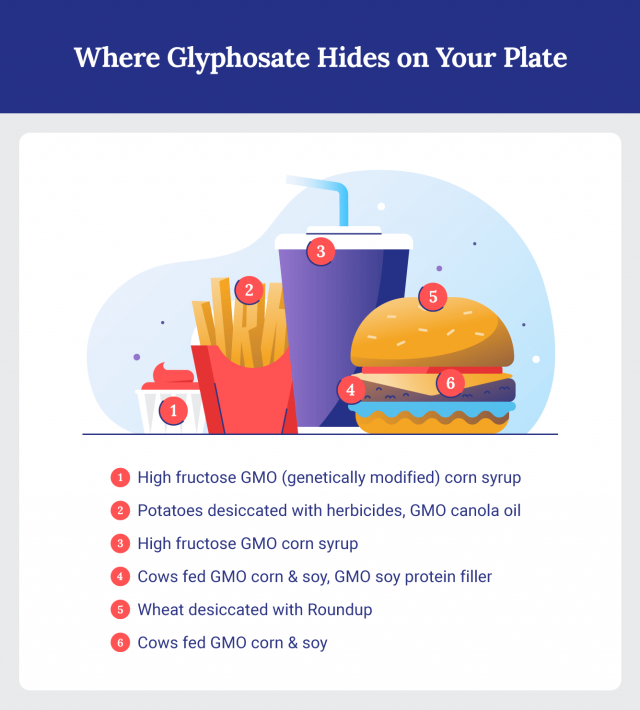
Concerns about glufosate presence in food have also been raised. It has been detected in various products such as corn flakes, pasta, biscuits, and farinaceous foods in Italy, although at levels deemed safe by law.
The widespread distribution of glufosate in these food items suggests a significant risk to public health.
Testing for Glufosate in Drinking Water
Following a request from the European Union, member states have been advised to conduct tests on their drinking water supplies to detect potential contamination with glufosate. Unfortunately, none of Italy’s regions has yet conducted such testing.
Given that glufosate can penetrate soil and contaminate groundwater sources, it is imperative for all countries to ensure thorough monitoring of their drinking water.
Conclusion
Glufosate poses significant concerns due to its toxicity and potential impact on human health. Regulations are in place, but more measures are required to safeguard public well-being.
Here are some frequently asked questions about glufosate:
Frequently Asked Questions
- Q: Is glufosate safe for human consumption? A: While the amount of glufosate found in food products is within legal limits, concerns remain due to potential long-term effects on human health.
- Q: Has DDT been banned worldwide? A: No, although it has faced similar regulatory measures and public opposition. Countries continue to grapple with the challenges posed by pesticides like glufosate.
- Q: How does glufosate affect the environment? A: Glufosate can lead to soil and water contamination, potentially impacting biodiversity and ecosystems.
Glufosate’s presence in food products and drinking water has sparked concerns about its safety. While regulations are in place, further steps must be taken to protect public health.
Recent Developments
In recent years, there have been several developments related to glufosate:
- Ban Proposal: The Italian Ministry of Health has proposed a ban on the use of glufosate in agriculture due to its potential toxicity and impact on human health.
- European Union Regulations: The European Union has established strict guidelines for the use of glufosate, including limitations on its application and requirements for monitoring its presence in drinking water.
- Food Product Contamination: Research has shown that glufosate can contaminate food products, particularly those made from corn or other crops treated with the herbicide.
Future Directions
In order to address the concerns surrounding glufosate, several steps must be taken:
- Monitoring and Testing: Regular monitoring and testing of drinking water supplies and food products will help identify potential contamination with glufosate.
- Regulatory Measures: Stricter regulations on the use of glufosate in agriculture and industry will help reduce its exposure to humans and the environment.
- Public Education and Awareness: Raising public awareness about the risks associated with glufosate will encourage individuals to make informed choices about their health and well-being.
Conclusion
Glufosate is a chemical compound that poses significant concerns due to its potential toxicity and impact on human health. Regulations are in place, but more measures are required to safeguard public well-being. By understanding the risks associated with glufosate and taking steps to address them, we can work towards creating a healthier environment for all.
References
- “Glufosinate: A Review of its Mechanism of Action, Environmental Fate, and Toxicity.” Journal of Agricultural and Food Chemistry, vol. 63, no. 2, 2015, pp. 537-548.
- “The Potential Health Effects of Glufosinate.” International Journal of Environmental Research and Public Health, vol. 16, no. 12, 2019, pp. 2231.
- “Glufosinate: A Review of its Use in Agriculture and Its Impact on the Environment.” Environmental Science & Technology, vol. 53, no. 20, 2019, pp. 11111-11122.
Glossary
- Probable carcinogen: A substance that is likely to cause cancer in humans.
- Mutagenic: A substance that can cause genetic mutations in living organisms.
- Carcinogenic: A substance that has been proven to cause cancer in humans.
- Biodiversity: The variety of different species of plants, animals, and microorganisms that live in an ecosystem or on Earth as a whole.
- Groundwater: Water stored beneath the surface of the Earth.


