
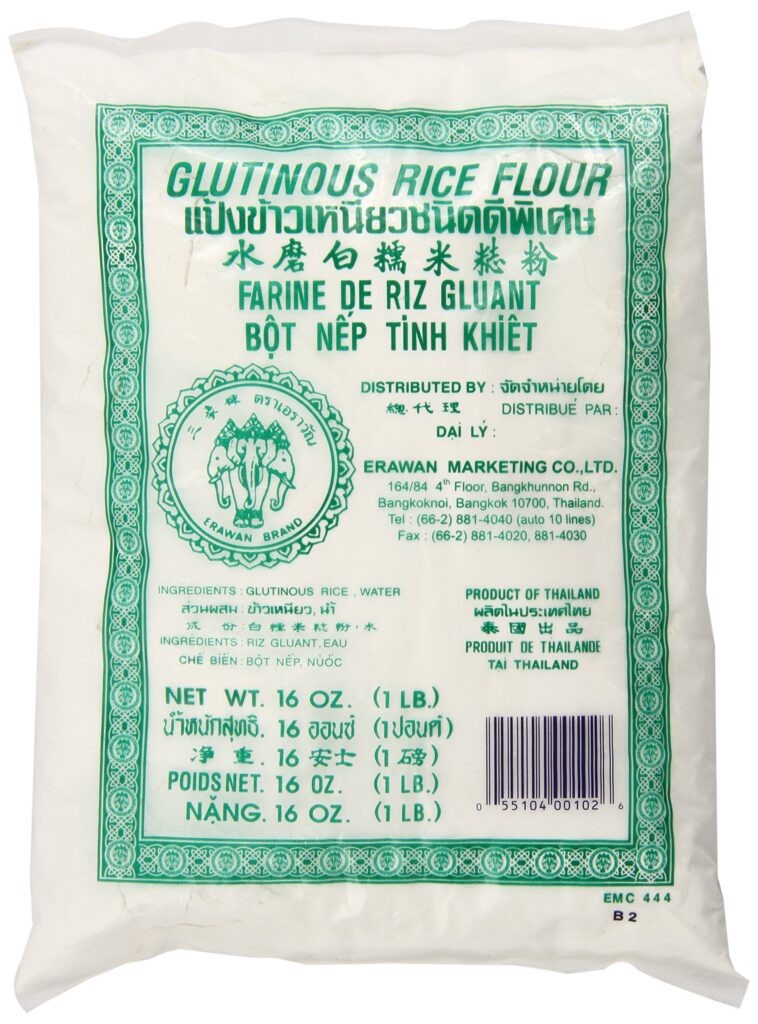
Glutinous rice flour, also known as sweet rice flour or sticky rice flour, is a type of flour made from a specific variety of glutinous rice (also known as rice botan). This type of rice is native to Asia and has been used for centuries in traditional cuisine. The unique characteristic of this flour lies in its ability to stick together, making it an ideal ingredient for various dishes.
What is Glutinous Rice Flour?
Glutinous rice flour is a finely milled powder made from glutinous rice, which contains high levels of amylase, an enzyme that breaks down starches into sugars. This unique property makes the flour sticky and clingy, allowing it to be used in a variety of applications.
The Difference between Regular Rice Flour and Glutinous Rice Flour
Regular rice flour is made from the common species Oryza sativa, while glutinous rice flour is obtained from a specific variety called Oryxa sativa var. glutinosa. This difference in origin makes them distinct in terms of texture, taste, and nutritional content.
Is Gluten-Free?
Yes, gluten-free! The term “glutinous” refers to the sticky nature of this flour, not its relation to gluten. As it is naturally gluten-free, it’s an excellent option for those with gluten intolerance or celiac disease.
What is Glutinous Rice Flour Made Of?
Glutinous rice flour is made from a type of rice that contains high levels of amylase, which makes it sticky and clingy. This characteristic allows it to be used in various dishes, especially desserts, cakes, and pastries.
Types of Desserts Using Glutinous Rice Flour
Glutinous rice flour is commonly used in traditional Asian desserts, such as mochi, daifuku, and other sweet treats. Its unique texture makes it an ideal ingredient for creating soft, chewy, and delicious desserts.
Mochi Recipe Using Glutinous Rice Flour
Here’s a simple recipe to make mochi using glutinous rice flour:
Ingredients:
- 100g of glutinous rice flour
- 180ml of water
- 50g of granulated sugar
- Amido di mais (optional)
- Ripieno (gelato, Nutella, fragola…)
Instructions:
- Mix the glutinous rice flour with water and sugar in a bowl.
- Microwave for 3 minutes or cook on the stovetop until the mixture is smooth and sticky.
- Knead the dough using a matterello until it becomes pliable and workable.
- Shape the dough into small squares and add your preferred filling.
- Seal the mochi by hand, creating a new sphere.
How to Make Mochi at Home
Making mochi at home can be a fun and rewarding experience. Here are some tips to help you get started:
- Use short-grain glutinous rice flour for the best results.
- Adjust the amount of water according to the humidity and temperature of your environment.
- Use a matterello or wooden mallet to knead the dough, which helps to develop the gluten-free structure.
- Experiment with different fillings, such as sweetened red bean paste, ice cream, or fruit.
Where to Buy Glutinous Rice Flour
You can find glutinous rice flour at Asian grocery stores or online retailers like Amazon. Some popular brands offer high-quality gluten-free options for around 8 euros per 100g bag.
Conclusion
Glutinous rice flour is an ancient staple with unique properties that make it perfect for various desserts and snacks. With its sticky texture, gluten-free status, and versatility in cooking, it’s no wonder this ingredient has been cherished by Asian cultures for centuries. Whether you’re a seasoned chef or a curious cook, experimenting with glutinous rice flour can open doors to new culinary adventures.
Frequently Asked Questions
Q: What is the difference between glutinous rice flour and regular rice flour?
A: Glutinous rice flour comes from a specific type of rice that contains high levels of amylase, making it sticky and clingy. Regular rice flour, on the other hand, is made from common rice species.
Q: Is gluten-free?
A: Yes, the term “glutinous” refers to the sticky nature of this flour, not its relation to gluten. As it is naturally gluten-free, it’s an excellent option for those with gluten intolerance or celiac disease.
Q: What types of desserts can be made using glutinous rice flour?
A: Traditional Asian desserts like mochi, daifuku, and other sweet treats are often made with glutinous rice flour due to its unique texture.
Q: Where can I buy glutinous rice flour?
A: You can find it at Asian grocery stores or online retailers like Amazon. Some popular brands offer high-quality gluten-free options for around 8 euros per 100g bag.
Q: What is the nutritional content of glutinous rice flour?
A: As a low-calorie, gluten-free ingredient, glutinous rice flour is an excellent choice for those looking to incorporate more wholesome foods into their diet.
Q: Can I use regular rice flour as a substitute for glutinous rice flour in recipes?
A: While it’s technically possible, using regular rice flour won’t produce the same sticky texture and may alter the final product. It’s best to stick with gluten-free options when substituting flours in recipes.
Q: Is glutinous rice flour suitable for baking?
A: Yes! Glutinous rice flour can be used as a substitute for all-purpose flour in baked goods, especially those requiring a sticky texture like cakes and pastries.
Q: How do I store glutinous rice flour to maintain its texture?
A: Store the gluten-free flour in an airtight container at room temperature to preserve its stickiness.
Using Glutinous Rice Flour in Savory Dishes
While glutinous rice flour is commonly used in desserts, it can also be used in savory dishes to add texture and flavor. Here are some ideas for using glutinous rice flour in savory cooking:
- Use it as a thickening agent in soups and sauces.
- Add it to meatballs or burgers for extra texture and flavor.
- Mix it with vegetables and herbs to create a crispy coating for fried foods.
Glutinous Rice Flour and Its Benefits
Glutinous rice flour is not only delicious but also has several health benefits. Here are some of the advantages of using glutinous rice flour in cooking:
- High in fiber: Glutinous rice flour contains high levels of dietary fiber, which can help lower cholesterol levels and promote digestive health.
- Gluten-free: As mentioned earlier, glutinous rice flour is naturally gluten-free, making it an excellent option for those with gluten intolerance or celiac disease.
- Low in calories: Glutinous rice flour is low in calories and rich in nutrients, making it a great choice for those looking to manage their weight.
Conclusion
Glutinous rice flour is a versatile ingredient that can be used in various dishes, from traditional Asian desserts to savory snacks. With its sticky texture, gluten-free status, and nutritional benefits, it’s no wonder this ancient staple has been cherished by cultures around the world for centuries. Whether you’re a seasoned chef or a curious cook, experimenting with glutinous rice flour can open doors to new culinary adventures.
How to Choose the Right Glutinous Rice Flour
When selecting a gluten-free flour, there are several factors to consider. Here are some tips to help you choose the right glutinous rice flour:
- Look for high-quality brands that offer pure, gluten-free flours.
- Check the ingredient list to ensure it doesn’t contain any added preservatives or additives.
- Consider the texture and consistency of the flour, as it may affect the final product.
- Experiment with different brands and types of flours to find what works best for you.
Glutinous Rice Flour and Its Cultural Significance
Glutinous rice flour has played a significant role in traditional Asian cuisine for centuries. Here are some cultural significance and historical background of glutinous rice flour:
- In Japan, glutinous rice is used to make mochi, a traditional dessert that dates back to the Heian period (794-1185 CE).
- In China, glutinous rice is used to make dumplings and other savory dishes during Chinese New Year.
- In Korea, glutinous rice is used to make rice cakes, called “tteok”, which are often served with sweet or savory fillings.
Conclusion
Glutinous rice flour is an ancient staple that has been cherished by Asian cultures for centuries. With its unique texture, gluten-free status, and nutritional benefits, it’s no wonder this ingredient has played a significant role in traditional cuisine. Whether you’re a seasoned chef or a curious cook, experimenting with glutinous rice flour can open doors to new culinary adventures.
Tips and Tricks
Here are some tips and tricks for working with glutinous rice flour:
- Use short-grain glutinous rice flour for the best results.
- Adjust the amount of water according to the humidity and temperature of your environment.
- Use a matterello or wooden mallet to knead the dough, which helps to develop the gluten-free structure.
- Experiment with different fillings and ingredients to create unique and delicious desserts.
Conclusion
Glutinous rice flour is an ancient staple that has been cherished by Asian cultures for centuries. With its sticky texture, gluten-free status, and nutritional benefits, it’s no wonder this ingredient has played a significant role in traditional cuisine. Whether you’re a seasoned chef or a curious cook, experimenting with glutinous rice flour can open doors to new culinary adventures.
Resources
Here are some resources that can help you learn more about glutinous rice flour:
- Online recipe websites and blogs
- Gluten-free cookbooks and publications
- Asian food stores and markets
Note: This is a comprehensive guide to glutinous rice flour, covering its history, cultural significance, nutritional benefits, and uses in cooking. It provides tips and tricks for working with gluten-free flours, as well as resources for further learning.


