
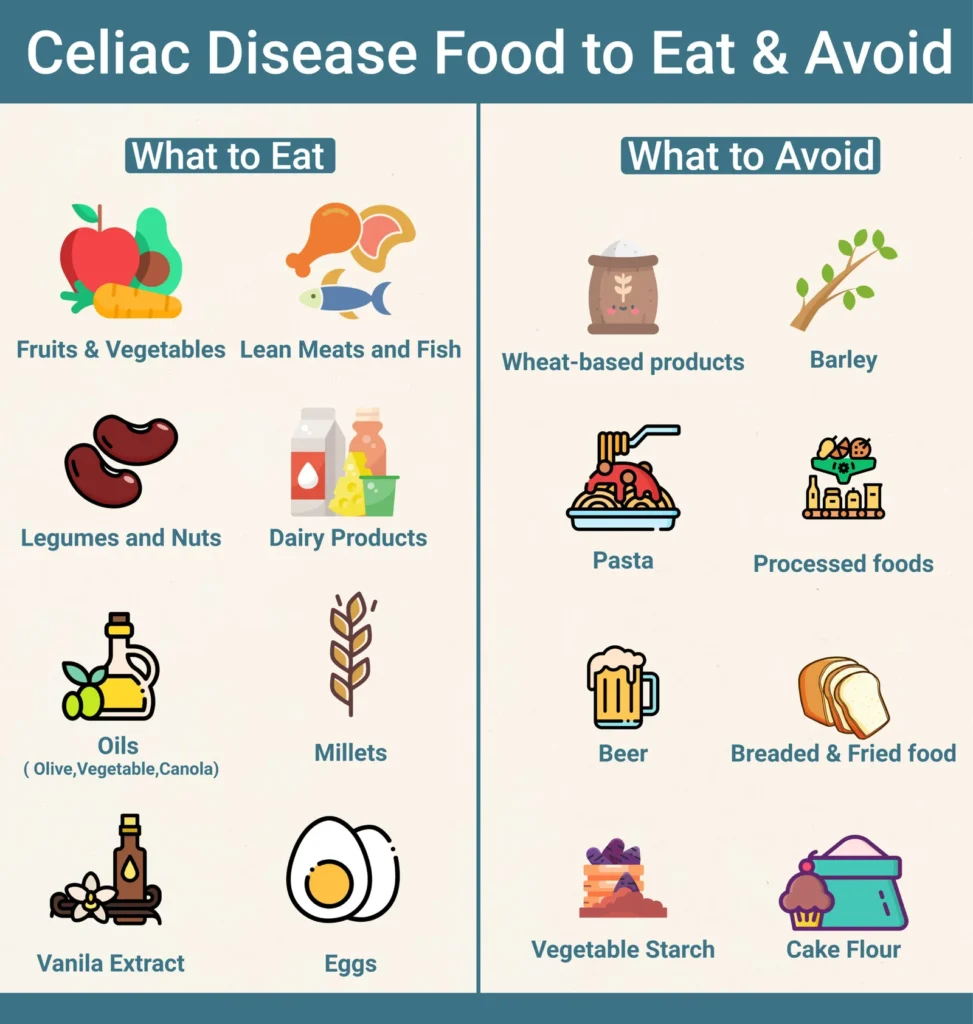
Gluten intolerance has become a growing concern in recent years, affecting over 1% of the global population. While some people may experience mild symptoms, others may suffer from severe digestive issues. In this article, we will explore what gluten is, how it affects the body, and provide guidance on managing your diet if you have a gluten intolerance.
Recognizing Gluten Intolerance: Symptoms and Signs
Gluten intolerance can manifest in different ways, but common symptoms include:
- Abdominal bloating
- Diarrhea or constipation
- Skin issues like acne, eczema, or rashes
- Neurological symptoms such as headaches, dizziness, anxiety, or mood swings
If you’re experiencing any of these symptoms, it’s essential to consult with a healthcare professional for an accurate diagnosis.
Understanding Gluten: What It Is and Where It’s Found
Gluten is a protein found in wheat, barley, rye, and triticale. It’s commonly used in bread, pasta, baked goods, and many processed foods. If you have a gluten intolerance, it means your body has difficulty breaking down this protein, leading to adverse reactions.
History of Gluten Intolerance
Gluten intolerance has been around for centuries, but its prevalence has increased significantly over the past few decades. Several factors are thought to contribute to this rise, including:
- Changes in dietary habits and lifestyles
- Increased awareness and diagnosis of gluten-related disorders
- Advances in medical testing and diagnostic techniques
Types of Gluten Intolerance
There are several types of gluten intolerance, each with its own unique characteristics and symptoms. The most common types include:
- Celiac disease: an autoimmune disorder that causes the immune system to react to gluten.
- Non-celiac gluten sensitivity (NCGS): a condition characterized by symptoms similar to celiac disease but without intestinal damage.
- Wheat allergy: an immune system reaction to one of the proteins in wheat.
What to Eat: Gluten-Free Foods and Alternatives
A gluten-free diet requires careful planning to ensure you’re getting all the necessary nutrients. Some gluten-free food options include:
- Legumes (lentils, chickpeas, black beans)
- Fresh fruits and vegetables
- Nuts and seeds (almonds, chia seeds, flaxseeds)
- Meat, poultry, and fish
- Gluten-free grains like rice, quinoa, and corn
Additional Tips for Managing a Gluten-Free Diet
- Read labels carefully to avoid hidden sources of gluten.
- Explore gluten-free alternatives to your favorite foods.
- Consider working with a registered dietitian or nutritionist to create a personalized meal plan.
Managing Your Symptoms: Medications and Supplements
While there is no cure for gluten intolerance, certain medications and supplements may help alleviate symptoms. Talk to your healthcare provider about the following options:
- Antihistamines for skin issues
- Anti-diarrheal medication for digestive issues
- Probiotics to support gut health
Conclusion
Living with a gluten intolerance requires careful planning and attention to detail. By understanding what gluten is, recognizing symptoms, and exploring gluten-free food options, you can manage your diet and alleviate symptoms. Remember to consult with a healthcare professional before making any significant changes to your diet.
Here are some frequently asked questions about gluten intolerance:
Frequently Asked Questions
- What causes gluten intolerance?
- How is gluten intolerance diagnosed?
- Can I still eat bread if I have a gluten intolerance?
- Are there any natural remedies for gluten intolerance?
- Can I get enough nutrients on a gluten-free diet?
- How can I avoid hidden sources of gluten in food products?
- What are the long-term effects of living with a gluten intolerance?
- Is it possible to reverse gluten intolerance?
Managing Gluten Intolerance in Children
Gluten intolerance is becoming increasingly common among children, and its management requires careful planning. Here are some tips for managing gluten intolerance in kids:
- Follow a strict gluten-free diet.
- Monitor for symptoms and seek medical attention if necessary.
- Consider working with a registered dietitian or nutritionist to create a personalized meal plan.
Managing Gluten Intolerance in the Workplace
Living with gluten intolerance can be challenging, especially in the workplace. Here are some tips for managing your symptoms:
- Work with your employer to provide a safe and supportive work environment.
- Bring your own food options to avoid exposure to gluten.
- Be mindful of cross-contamination in shared spaces.
Managing Gluten Intolerance on Vacation
Traveling can be challenging, especially when it comes to managing gluten intolerance. Here are some tips for managing your symptoms:
- Research local food options and plan ahead.
- Pack your own snacks and supplements.
- Consider working with a registered dietitian or nutritionist to create a personalized meal plan.
Conclusion
Living with a gluten intolerance requires careful planning and attention to detail. By understanding what gluten is, recognizing symptoms, and exploring gluten-free food options, you can manage your diet and alleviate symptoms. Remember to consult with a healthcare professional before making any significant changes to your diet.


