
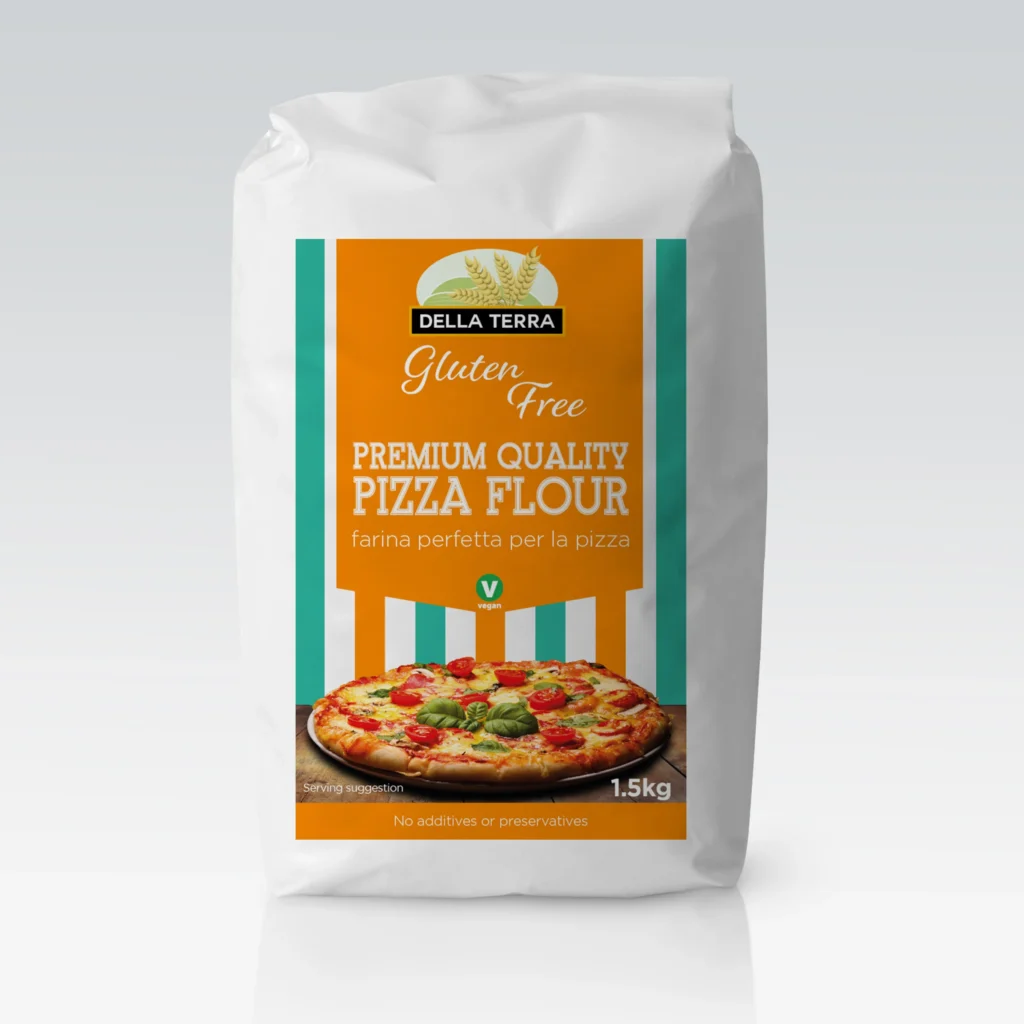
Are you tired of traditional pizza crusts that contain gluten? Look no further! In this article, we’ll explore the world of gluten-free flours and provide you with a comprehensive guide on how to make delicious pizzas without gluten.
Understanding Gluten-Related Disorders
Before we dive into the types of gluten-free flour, let’s talk about what gluten is and why some people need to avoid it. Gluten is a protein found in wheat, barley, and rye that can cause an immune response in individuals with celiac disease or non-celiac gluten sensitivity. In this article, we’ll focus on celiac disease, a permanent intolerance to gluten.
Avoiding the “Gluten-Free” Myth
Some people assume that all grains are gluten-free, but this is not the case. Grains like quinoa, rice, and corn do contain gluten. Similarly, some “gluten-free” products may contain hidden sources of gluten. In our article, we’ll explore the different types of gluten-containing grains to avoid.
Gluten-Free Grains to Avoid
Here are some grains that contain gluten and should be avoided by individuals with celiac disease or non-celiac gluten sensitivity:
- Farro
- Orzo
- Spelt
- Kamut
- Triticale
These grains, although nutritious, can cause adverse reactions in individuals with gluten intolerance.
Gluten-Free Grains to Use
On the other hand, there are many delicious and nutritious gluten-free grains that can be used for pizza crusts. Some popular options include:
- Buckwheat
- Rice flour
- Corn flour
- Quinoa flour
- Millet flour
These flours offer unique textures and flavors that can add excitement to your pizzas.
Preparing the Perfect Gluten-Free Pizza Dough
Making a gluten-free pizza dough requires some experimentation, but with the right ingredients and techniques, you can achieve a delicious and crispy crust. Here are two recipes for gluten-free pizza dough:
Recipe 1: Rice Flour and Corn Flour Pizza Dough
Ingredients:
- 350g rice flour
- 250g corn flour
- 1 tablespoon honey
- 25g yeast
- 10g salt
- 350ml water
- 2 tablespoons olive oil
Instructions:
- Mix the flours, honey, yeast, and salt in a bowl.
- Gradually add the water and mix until a sticky dough forms.
- Knead the dough for 5-7 minutes until it becomes smooth and elastic.
- Let the dough rise for at least 90 minutes.
- Preheat your oven to 450°F (230°C).
- Punch down the dough, shape into a circle or rectangle, and top with your favorite ingredients.
Recipe 2: Quinoa Flour and Potato Starch Pizza Dough
Ingredients:
- 290g quinoa flour
- 80g potato starch
- 60g tapioca flour
- 1 tablespoon honey
- 25g yeast
- 10g salt
- 350ml water
- 2 tablespoons olive oil
Instructions:
- Mix the flours, honey, yeast, and salt in a bowl.
- Gradually add the water and mix until a sticky dough forms.
- Knead the dough for 5-7 minutes until it becomes smooth and elastic.
- Let the dough rise for at least 90 minutes.
- Preheat your oven to 450°F (230°C).
- Punch down the dough, shape into a circle or rectangle, and top with your favorite ingredients.
Tips and Variations
When working with gluten-free flours, it’s essential to remember that they can behave differently than traditional wheat flour. Here are some tips and variations to keep in mind:
- Use xanthan gum or guar gum to improve the texture of your dough.
- Add extra liquid to your dough if it becomes too dry.
- Experiment with different flavor combinations, such as herbs, spices, and nuts.
- Try using a pizza stone to achieve a crispy crust.
- Consider investing in a gluten-free flour blend that’s specifically designed for pizza making.
Common Challenges with Gluten-Free Pizza Dough
When working with gluten-free flours, you may encounter some common challenges. Here are a few tips to help you overcome these issues:
- The dough may be too sticky or dry – adjust the liquid content accordingly.
- The crust may not hold its shape – try using a pizza peel or baking sheet to achieve a crispy crust.
- The flavors may not come together well – experiment with different seasoning combinations to find one that works for you.
Conclusion
Gluten-free pizzas can be just as delicious and satisfying as their traditional counterparts. By choosing the right flours and following these simple recipes, you can create a gluten-free pizza crust that’s perfect for your taste buds. Whether you’re a seasoned pizza enthusiast or a beginner looking to try something new, we hope this article has inspired you to explore the world of gluten-free pizzas.
Frequently Asked Questions
- What is celiac disease?
Celiac disease is a permanent intolerance to gluten that causes an immune response in individuals who consume gluten. - Can I still eat grains if I’m not gluten-intolerant?
While you may be able to tolerate small amounts of gluten, it’s essential to avoid consuming it regularly to prevent adverse reactions. - What are the benefits of using gluten-free flours?
Gluten-free flours can provide a unique texture and flavor profile that’s perfect for pizzas. - Can I use any type of gluten-free flour for pizza crusts?
Not all gluten-free flours are created equal. Some flours may behave differently or lack the necessary structure to create a crispy crust. - How do I choose the right gluten-free flour for my pizza dough?
Experiment with different flours and ratios to find the perfect combination for your taste preferences and baking needs.
Gluten-Free Pizza Crust Variations
While traditional wheat flour is a classic choice for pizza crusts, there are many other options that can add variety and excitement to your pizzas. Here are some ideas for gluten-free pizza crust variations:
- Cauliflower crust: use cauliflower as the base and mix with cheese and seasonings.
- Zucchini crust: use zucchini as the base and mix with cheese and herbs.
- Sweet potato crust: use sweet potatoes as the base and mix with cheese and spices.
- Quinoa flour crust: use quinoa flour as the base and mix with cheese, herbs, and spices.
Conclusion
Gluten-free pizzas can be a delicious and satisfying alternative to traditional pizzas. By choosing the right flours and following these simple recipes, you can create a gluten-free pizza crust that’s perfect for your taste buds. Whether you’re a seasoned pizza enthusiast or a beginner looking to try something new, we hope this article has inspired you to explore the world of gluten-free pizzas.
Additional Resources
If you’re interested in learning more about gluten-free baking or trying out new recipes, here are some additional resources to get you started:
- Gluten-Free Living: a comprehensive resource for gluten-free living and baking.
- Gluten-Free Pizza Recipes: a collection of delicious gluten-free pizza recipes from around the world.
- The Gluten-Free Bible: a comprehensive guide to gluten-free baking and cooking.
By following these simple tips and experimenting with different flours, you can create a gluten-free pizza crust that’s perfect for your taste buds. Happy baking!


