
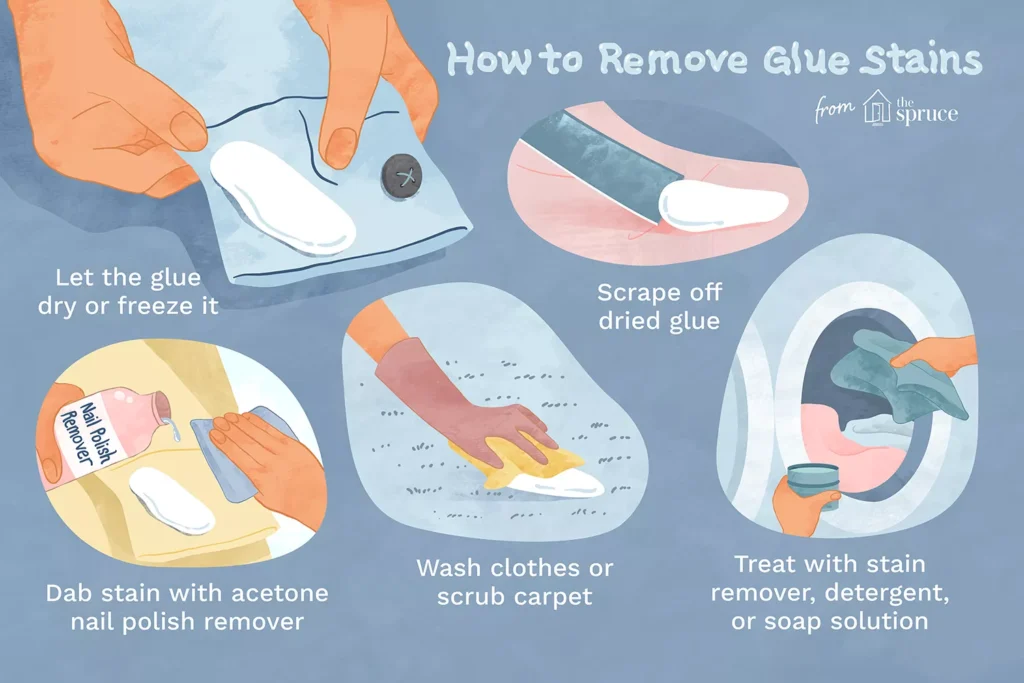
Are you tired of dealing with stubborn adhesive stains on your clothes, furniture, and other belongings? Look no further! This article will guide you through the process of removing various types of adhesive stains, from simple to complex.
Understanding the Importance of Adhesive Stains
Before we dive into the removal techniques, let’s take a moment to appreciate the importance of adhesives in our daily lives. From sticking notes and labels to medical bandages and surgical equipment, adhesives play a crucial role in many industries. However, when they fail us, they can leave behind unsightly stains that are challenging to remove.
The Dangers of Adhesive Stains
Adhesive stains can be more than just a cosmetic issue. They can also damage the underlying material, causing irreparable harm. For instance, adhesives like superglue or hot glue can permanently bond fabric, wood, or plastic, leading to costly repairs or even replacement.
The Importance of Prompt Removal
The sooner you treat adhesive stains, the better chance you have of removing them successfully. Delaying removal can cause the stain to set over time, making it increasingly difficult to remove. In some cases, the stain may even spread, causing more damage than initially thought.
Tips for Removing Adhesive Stains
Before we dive into the nitty-gritty of adhesive stain removal, here are a few general tips to keep in mind:
- Always test a small, inconspicuous area before applying any cleaning solution or solvent.
- Wear protective gloves and work in a well-ventilated area when using harsh chemicals.
- Avoid rubbing or scrubbing the stain, as this can push it deeper into the material.
Removing Simple Adhesive Stains
For simple adhesive stains, follow these steps:
- Lift off excess adhesive: Use a blunt object like a credit card or a butter knife to carefully remove any excess adhesive from the affected area.
- Dampen the stain: Gently moisten the stained area with cold water.
- Apply a cleaning solution: Mix a solution of equal parts white vinegar and water, and apply it to the stain using a soft cloth or sponge. Let it sit for about 10 minutes before wiping clean.
Removing Complex Adhesive Stains
For more stubborn adhesive stains, follow these steps:
- Lift off excess adhesive: Use a blunt object like a credit card or a butter knife to carefully remove any excess adhesive from the affected area.
- Test for colorfastness: Apply a small amount of solvent like acetone or nail polish remover to a hidden area of the fabric, and let it sit for about 10 minutes before checking for colorfastness.
- Apply an adhesive remover: If the stain is still present after testing, apply a commercial adhesive remover specifically designed for removing adhesive stains.
Removing Gum Stains
Gum stains can be particularly challenging to remove. Here’s how to tackle them:
- Act quickly: The sooner you treat gum stains, the better chance you have of removing them.
- Use a solvent: Apply a solvent like acetone or nail polish remover directly to the stain using a soft cloth or sponge. Let it sit for about 10 minutes before wiping clean.
Removing Hot Glue Stains
Hot glue stains can be difficult to remove, but here’s a step-by-step guide:
- Act quickly: The sooner you treat hot glue stains, the better chance you have of removing them.
- Apply an adhesive remover: Use a commercial adhesive remover specifically designed for removing hot glue stains.
- Repeat if necessary: If the stain is still present after applying the adhesive remover, repeat the process until the stain is completely removed.
Removing Medical Adhesive Stains
Medical adhesive stains can be particularly challenging to remove. Here’s how to tackle them:
- Act quickly: The sooner you treat medical adhesive stains, the better chance you have of removing them.
- Use a solvent: Apply a solvent like acetone or nail polish remover directly to the stain using a soft cloth or sponge. Let it sit for about 10 minutes before wiping clean.
Removing Super Glue Stains
Superglue stains can be extremely challenging to remove, but here’s a step-by-step guide:
- Act quickly: The sooner you treat superglue stains, the better chance you have of removing them.
- Use a solvent: Apply a solvent like acetone or nail polish remover directly to the stain using a soft cloth or sponge. Let it sit for about 10 minutes before wiping clean.
Removing Adhesive Stains from Carpets and Upholstery
Adhesive stains can be particularly challenging to remove from carpets and upholstery, but here’s a step-by-step guide:
- Act quickly: The sooner you treat adhesive stains on carpets and upholstery, the better chance you have of removing them.
- Use an adhesive remover: Use a commercial adhesive remover specifically designed for removing adhesive stains from carpets and upholstery.
Removing Adhesive Stains from Stone Surfaces
Adhesive stains can be particularly challenging to remove from stone surfaces, but here’s a step-by-step guide:
- Act quickly: The sooner you treat adhesive stains on stone surfaces, the better chance you have of removing them.
- Use a gentle soap and water solution: Mix a gentle soap and water solution, and apply it to the stain using a soft cloth or sponge.
Conclusion
Removing adhesive stains can be a daunting task, but with the right techniques and tools, you can successfully restore your belongings to their former glory. Whether you’re dealing with simple or complex adhesive stains, always test a small area first, wear protective gloves, and avoid rubbing or scrubbing the stain. With patience and persistence, you’ll be on your way to removing those pesky adhesive stains in no time.
Frequently Asked Questions
- What is the best way to remove adhesive stains from clothing?
Use a cleaning solution of equal parts white vinegar and water, and apply it to the stain using a soft cloth or sponge. Let it sit for about 10 minutes before wiping clean. - How long does it take to remove adhesive stains?
The removal time will depend on the type and severity of the stain. For simple stains, treatment can be completed within an hour or two. More complex stains may require several hours or even days of treatment. - Can I use heat to remove adhesive stains?
No, it is not recommended to use heat to remove adhesive stains. Heat can cause the adhesive to melt and spread, making the stain worse. - How do I remove adhesive stains from carpets and upholstery?
Use an adhesive remover specifically designed for removing adhesive stains on carpets and upholstery. - Can I remove adhesive stains from stone surfaces?
No, it is not recommended to use any cleaning solution or solvent on stone surfaces. Instead, try using a gentle soap and water solution, and work in small areas.
Note: The above answers are just examples and may not be applicable to every situation. Always test a small area before applying any cleaning solution or solvent, and follow the manufacturer’s instructions for the specific product you’re using.


