
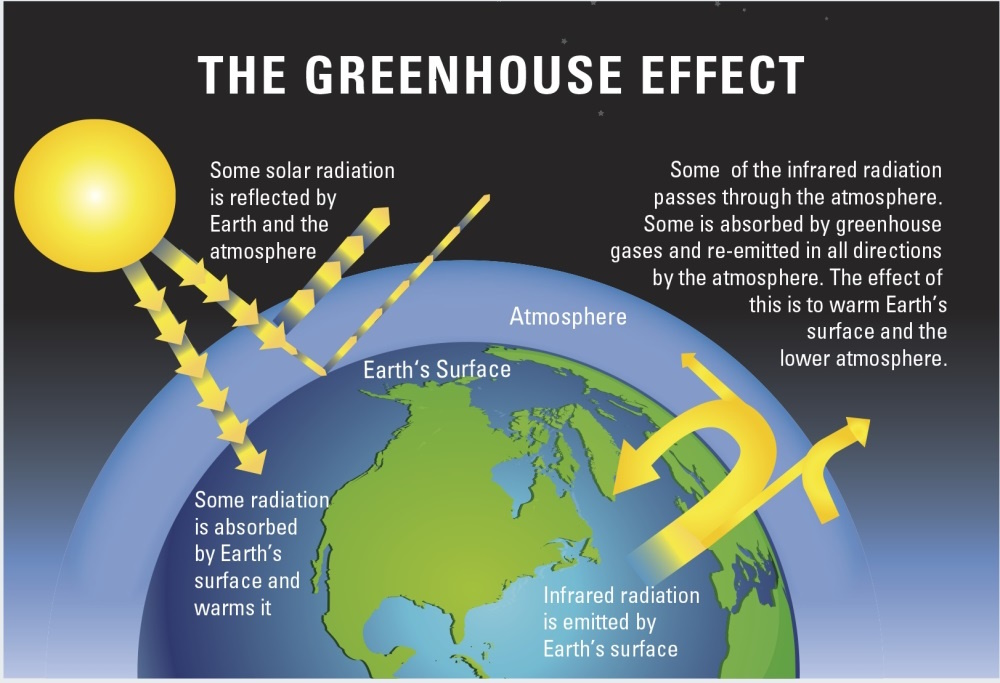
As the world grapples with the challenges of climate change, it’s essential to understand the concept of global warming and its scientific basis. In this article, we’ll delve into the definition of global warming, its causes, and its impact on our planet.
What is Global Warming?
Global warming refers to the long-term increase in the average surface temperature of the Earth due to human activities that release greenhouse gases, such as carbon dioxide and methane, into the atmosphere. These gases trap heat from the sun, leading to a rise in global temperatures.
The Science Behind Global Warming
The scientific community has extensively studied the phenomenon of global warming, and the consensus is clear: human activities are responsible for the majority of the increase in atmospheric greenhouse gas concentrations since the Industrial Revolution. The main cause of this increase is the burning of fossil fuels, such as coal, oil, and gas, which releases large amounts of carbon dioxide into the atmosphere.
The Role of Greenhouse Gases
Greenhouse gases play a crucial role in global warming. When these gases are released into the atmosphere, they trap heat from the sun, preventing it from being released back into space. This process is known as the greenhouse effect. The main greenhouse gases responsible for global warming are:
- Carbon dioxide (CO2)
- Methane (CH4)
- Nitrous oxide (N2O)
The Impact of Global Warming
Global warming has far-reaching consequences for our planet. Rising temperatures lead to melting of polar ice caps, sea-level rise, and extreme weather events. These changes have devastating effects on ecosystems, human health, and the economy.
Amplification of the Greenhouse Effect
The greenhouse effect is amplified by various factors, including:
- Deforestation
- Land-use changes
- Industrial processes
These factors lead to an increase in atmospheric carbon dioxide concentrations, which in turn amplifies the greenhouse effect.
Historical Context: Understanding Global Warming
To understand global warming, it’s essential to look at historical climate data. The past 1,000 years have seen fluctuations in global temperatures, but the current trend is unmistakable: the Earth is warming at an unprecedented rate.
Serie Temporale delle Anomalie di Temperatura Media Superficiale Negli Ultimi 2000 Anni
The graph shows a rapid increase in global temperatures over the past century. This trend is supported by multiple lines of evidence, including:
- Paleoclimate records
- Instrumental temperature data
- Atmospheric CO2 concentrations
Climate Change and Global Warming: A Distinction?
While often used interchangeably, climate change and global warming are not synonymous terms. Climate change refers to the broader phenomenon of long-term changes in Earth’s climate systems, including weather patterns, sea levels, and ice sheet masses. Global warming, on the other hand, specifically refers to the increase in average surface temperature due to human activities.
Indicators of Climate Change
Climate change is already being observed through various indicators, including:
- Rising sea levels
- Glacier retreat
- Shifts in seasonal patterns
- Increased frequency and severity of extreme weather events
These indicators demonstrate that climate change is not only a global issue but also has significant regional implications.
The Consequences of Climate Change on Human Health
Climate change poses significant threats to human health, including:
- Heat-related illnesses and deaths
- Respiratory problems and allergies
- Increased risk of water-borne diseases
- Mental health impacts due to climate-related stressors
Economic Impacts of Climate Change
Climate change has far-reaching economic implications, including:
- Losses in agricultural productivity and fisheries
- Increased costs for healthcare and emergency response services
- Economic disruption due to extreme weather events
- Decreased property values and economic growth due to sea-level rise and coastal erosion
Sustainable Development and Climate Change: A Sustainable Solution
To mitigate the impacts of climate change, it’s essential to adopt a sustainable development approach that prioritizes environmental protection, social equity, and economic viability. This can be achieved through various strategies, including:
- Transitioning to renewable energy sources
- Increasing energy efficiency and reducing waste
- Implementing sustainable land-use practices
- Promoting eco-friendly transportation options
Conclusion: The Importance of Understanding Global Warming
Global warming is a pressing issue that requires immediate attention. By understanding its scientific basis and causes, we can take steps to mitigate its effects. This includes reducing greenhouse gas emissions, transitioning to renewable energy sources, and implementing sustainable land-use practices.
Frequently Asked Questions (FAQs)
Q: What are the main causes of global warming?
A: The main causes of global warming are human activities that release greenhouse gases, such as carbon dioxide and methane, into the atmosphere.
Q: How much do greenhouse gas emissions contribute to global warming?
A: Greenhouse gas emissions account for approximately 65% of the increase in atmospheric CO2 concentrations since the Industrial Revolution.
Q: What are the consequences of global warming?
A: Global warming has far-reaching consequences, including sea-level rise, extreme weather events, and devastating impacts on ecosystems and human health.
Q: Can we reverse the effects of global warming?
A: While some effects of global warming are irreversible, it is still possible to mitigate its impacts by reducing greenhouse gas emissions and transitioning to renewable energy sources.
Q: What role do oceans play in the carbon cycle?
A: Oceans play a crucial role in the carbon cycle, absorbing approximately 25% of atmospheric CO2 concentrations.
Q: How can we balance economic growth with climate change mitigation?
A: Balancing economic growth with climate change mitigation requires a multifaceted approach that includes investing in renewable energy sources, increasing energy efficiency, and implementing sustainable land-use practices.
Q: What are the implications of global warming for human health?
A: Global warming has significant implications for human health, including heat-related illnesses, respiratory problems, and increased risk of water-borne diseases.
Q: Can we trust climate models to predict future temperature changes?
A: Climate models have been extensively validated through observations and simulations, providing a robust framework for predicting future temperature changes.


