
Glaucoma in Cats: Symptoms and Treatment
As a responsible cat owner, it’s essential to understand the risks of glaucoma in cats. If left untreated, this eye disease can lead to blindness, leaving your feline friend with a reduced quality of life. In this article, we’ll explore what glaucoma is, its symptoms, and the best course of treatment.
What is Glaucoma in Cats?
Glaucoma in cats is a condition characterized by excessively high eye pressure, which can cause damage to the optic nerve and lead to vision loss. This drainage problem occurs when the aqueous humor, a clear fluid that circulates through the eye, is not properly drained.
Causes of Glaucoma in Cats
Glaucoma in cats can be caused by various factors, including:
- Congenital anomaly: A genetic predisposition to glaucoma
- Inherited condition: Family history of glaucoma
- Primary eye disease: Underlying eye conditions that compromise drainage
- Secondary consequence: Glaucoma as a result of other health issues, such as injury or tumor
Diagnosing Glaucoma in Cats
Detecting glaucoma in cats can be challenging, but it’s crucial to perform regular checks with your veterinarian. They will use specialized instruments, such as tonometers and gonioscopes, to measure eye pressure and examine the retina.
- Tonometry: A non-invasive test that measures eye pressure
- Gonioscopy: An examination of the anterior part of the eye to assess drainage
- Retinal examination: To estimate damage caused by glaucoma and potential control
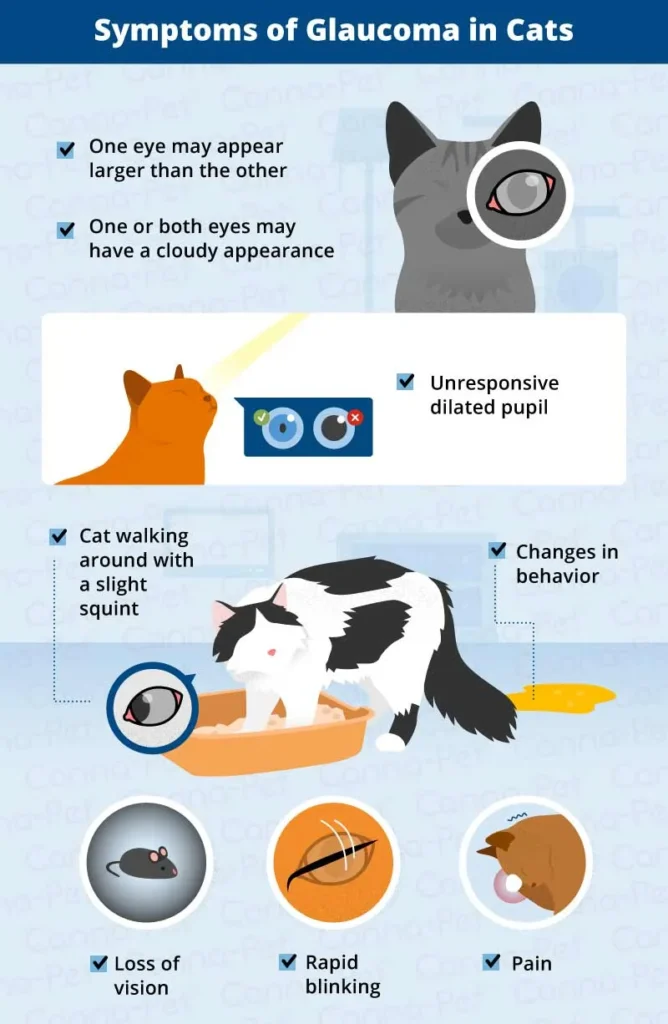
Symptoms of Glaucoma in Cats
If you suspect your cat has glaucoma, look out for these warning signs:
- Spasm of the eyelids: A sign of increased eye pressure
- Redness of blood vessels: Inflammation caused by high pressure
- Turbid front part of the eye: Cloudiness or discoloration of the eye
- Enlarged or swollen eyeball: A symptom of increased pressure
- Dilated pupil or slow closure: Indicative of glaucoma
Treating Glaucoma in Cats
Prompt treatment is essential to prevent blindness. Medications can help lower eye pressure, and surgery may be necessary in severe cases.
- Medications: To reduce eye pressure and prevent further damage
- Surgical intervention: In some cases, surgery may be required to improve drainage or relieve pressure
Preventing Glaucoma in Cats
While glaucoma is a common condition in cats, there are steps you can take to reduce the risk:
- Regular veterinary check-ups: Monitor your cat’s eye health
- Keep eyes clean: Regularly wipe your cat’s eyes to prevent dirt and debris buildup
- Maintain a healthy diet: A balanced diet rich in nutrients can help support overall eye health
Treatment Options
In addition to medications and surgery, there are other treatment options available for cats with glaucoma:
- Laser treatment: To reduce intraocular pressure by creating a hole in the drainage system
- Iridotomy: A surgical procedure to create a small hole in the iris and allow fluid to drain more freely
- Glaucoma surgery: Surgical procedures, such as trabeculectomy or glaucoma implantation, to improve drainage and reduce pressure
Natural Remedies
While there is no cure for glaucoma, some natural remedies may help alleviate symptoms:
- Flaxseed oil: Rich in omega-3 fatty acids, which can help reduce inflammation
- Ginkgo biloba: May help improve blood flow and reduce eye pressure
- Turmeric: Contains curcumin, a compound with anti-inflammatory properties
Conclusion
Glaucoma in cats is a serious condition that requires prompt attention. By understanding the causes, symptoms, and treatment options, you can help your feline friend preserve their vision and quality of life.
FAQs
- What are the most common signs of glaucoma in cats?
- Spasm of the eyelids, redness of blood vessels, turbid front part of the eye, enlarged or swollen eyeball, and dilated pupil or slow closure.
- How is glaucoma diagnosed in cats?
- Tonometry, gonioscopy, and retinal examination are used to measure eye pressure and assess drainage.
- Can glaucoma be prevented in cats?
- Regular veterinary check-ups, keeping eyes clean, and maintaining a healthy diet can help reduce the risk of glaucoma.
- What is the treatment for glaucoma in cats?
- Medications to lower eye pressure, surgical intervention in severe cases, and regular monitoring to prevent further damage.
- How common is glaucoma in cats?
- Glaucoma affects approximately 3-14% of cats over a given population.
Sources:
- American Animal Hospital Association (AAHA)
- American Veterinary Medical Association (AVMA)
- National Research Council


