
Introduction
Have you ever imagined living in a world where opportunities are limited by an invisible barrier? This concept is known as the “glass ceiling,” and it’s a phenomenon that affects women disproportionately. In this article, we’ll explore what the glass ceiling is, its impact on women’s careers, and strategies for overcoming it.
The Glass Ceiling: A Definition
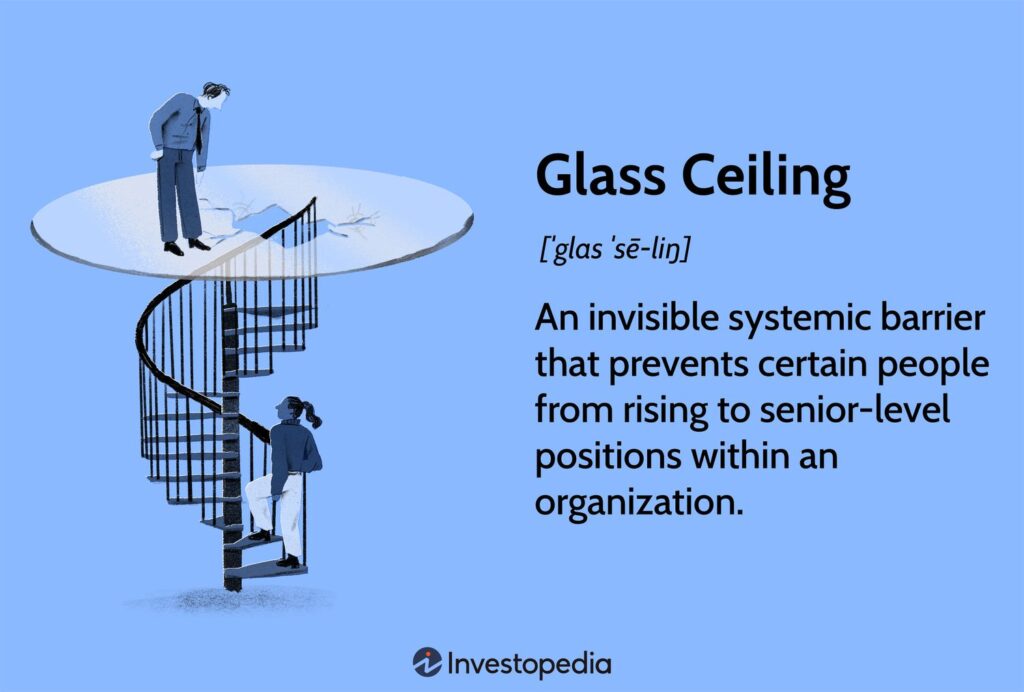
The glass ceiling refers to the subtle, yet pervasive, barriers that prevent women from advancing in their careers. These barriers can be social, cultural, or psychological, and they often manifest as a lack of opportunities, unequal pay, and biased decision-making. The term “glass ceiling” was first coined to describe the invisible barrier that prevents women from reaching senior positions, but it now encompasses a broader range of issues.
The Glass Ceiling and Women
In many workplaces, women face a daunting reality: they are denied equal opportunities for advancement, despite their qualifications and abilities. This is not just a matter of individual failure; rather, it’s a systemic issue that requires attention and change. The glass ceiling is not limited to one industry or profession; it affects women in all sectors, from business to politics.
The Impact of the Glass Ceiling
So, what are the consequences of living with the glass ceiling? For women, it means:
- Limited career advancement opportunities
- Unequal pay and benefits
- Biased decision-making and stereotypes
- Lack of representation in leadership positions
For society as a whole, the glass ceiling has far-reaching implications, including:
- Reduced economic growth and productivity
- Decreased innovation and creativity
- Perpetuation of social inequalities
Breaking Down the Glass Ceiling
So, how can we break down this invisible barrier? The answer lies in a combination of individual actions and systemic change. Here are some strategies for overcoming the glass ceiling:
Reframing Stereotypes
Challenge negative stereotypes about women’s abilities and potential. Encourage men to take on more caregiving responsibilities and to support their female colleagues.
Developing Leadership Skills
Invest in leadership development programs that focus on women’s empowerment. Provide opportunities for women to take on leadership roles and to develop the skills they need to succeed.
Creating Inclusive Workplaces
Foster inclusive workplaces by promoting diversity, equity, and inclusion. Encourage open communication, provide feedback and coaching, and celebrate successes and achievements.
Supporting Women’s Advancement
Offer support and resources for women who are seeking advancement in their careers. Provide mentorship programs, networking opportunities, and access to training and development programs.
Advocating for Policy Change
Advocate for policy changes that promote equal pay, equal opportunities, and inclusive workplaces. Encourage governments to implement policies that address the glass ceiling and promote women’s empowerment.
Understanding the Psychological Impact of the Glass Ceiling
The glass ceiling is not just an economic issue; it also has a profound psychological impact on women. The constant feeling of being held back, the lack of recognition for one’s achievements, and the pressure to conform to societal norms can lead to:
- Anxiety and stress
- Decreased self-confidence
- Burnout and exhaustion
Breaking Down the Psychological Barriers
To overcome the psychological barriers created by the glass ceiling, women need support and resources. Here are some strategies for breaking down these barriers:
- Seeking out mentors and role models who can provide guidance and support
- Building a strong support network of colleagues, friends, and family members
- Engaging in self-care activities that promote relaxation and stress reduction
- Developing coping mechanisms for dealing with bias and stereotyping
Conclusion
The glass ceiling is a pervasive barrier that affects women’s careers and well-being. However, by reframing stereotypes, developing leadership skills, creating inclusive workplaces, supporting women’s advancement, advocating for policy change, understanding the psychological impact of the glass ceiling, and breaking down the psychological barriers, we can break down this invisible barrier and create a more equitable society.
Recommendations for Individuals
If you are a woman who is facing the glass ceiling, here are some recommendations for overcoming it:
- Seek out mentorship programs that provide guidance and support
- Join professional organizations that promote women’s empowerment
- Engage in networking opportunities that connect you with other women in your field
- Develop leadership skills through training and development programs
Recommendations for Organizations
If you are a woman who is facing the glass ceiling, here are some recommendations for overcoming it:
- Create an inclusive workplace culture by promoting diversity, equity, and inclusion
- Provide mentorship programs that support women’s advancement
- Offer flexible work arrangements that accommodate caregiving responsibilities
- Celebrate successes and achievements of women in leadership positions
Conclusion
The glass ceiling is a complex issue that affects women disproportionately. However, by understanding the barriers it creates, developing strategies for overcoming them, and advocating for policy change, we can create a more equitable society where women have equal opportunities for advancement.


