
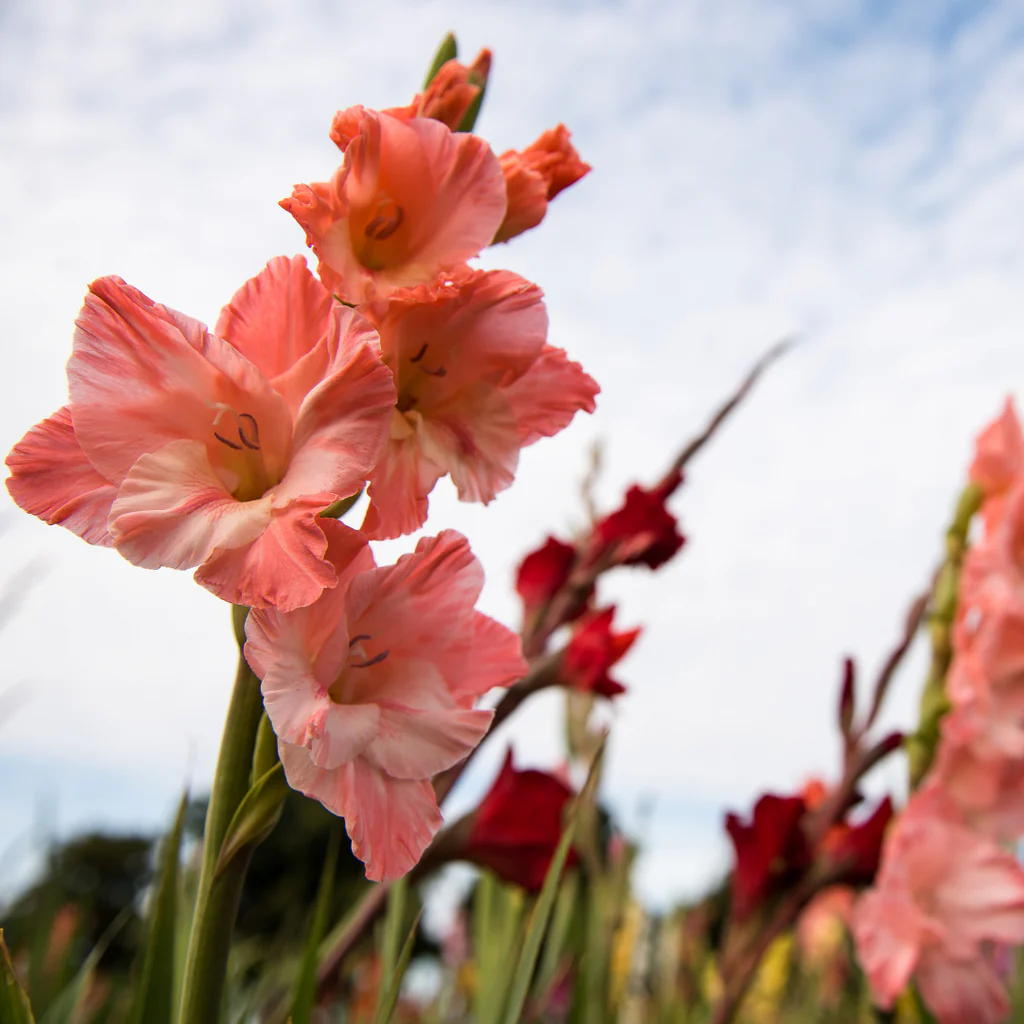
Gladiolos, also known as sword lilies, are a popular choice for gardeners and flower enthusiasts alike. Their elegant, slender stems and vibrant blooms make them a staple in any floral arrangement or bouquet. But beyond their beauty, gladiolos hold a rich history and symbolism that dates back to ancient times. In this comprehensive guide, we’ll delve into the world of gladiolos, exploring their characteristics, significance, and how to grow them successfully.
Introduction
Gladiolos have been a part of human culture for centuries, with evidence of their use in floral arrangements dating back to ancient Egypt and Greece. These beautiful flowers were also used as ornaments for hair and clothing, while also being used to create decorative arrangements for special occasions like weddings. In the 19th century, gladiolos became popular among botanists, who began breeding new varieties with unique characteristics.
Today, gladiolos are grown commercially in many parts of the world, with top producers including the Netherlands, South Africa, and Australia. These countries provide ideal conditions for gladiolos, with mild winters, warm summers, and well-draining soil. Whether you’re a seasoned gardener or just starting out, growing gladiolos can be a rewarding experience.
What is a Gladio?
Gladiolos are bulbous perennials that originate from the Mediterranean region and southern Africa. They belong to the family Iridaceae and come in over 250 different species, each with its unique characteristics and color palette. With their long, slender stems and showy blooms, gladiolos are a popular choice for gardens and floral arrangements.
Characteristics of Gladiolos
Gladiolos are known for their striking appearance, which includes:
- Long, slender stems that can reach up to 12 inches (30 cm) in height
- Vibrant blooms that come in a wide range of colors, including red, pink, yellow, orange, and white
- Slender, sword-shaped leaves that add to the plant’s elegant appearance
- A relatively low-maintenance growth habit, making them suitable for beginners
Significance of Gladiolos
Gladiolos have been a part of human culture for centuries, holding symbolic meanings in various contexts. In ancient times, they were used as ornaments for hair and clothing, while also being used to create decorative arrangements for special occasions like weddings.
In the 19th century, gladiolos became popular among botanists, who began breeding new varieties with unique characteristics. Today, gladiolos are often associated with strength, character, and resilience, making them a popular choice for bouquets and arrangements.
Growing Gladiolos: Tips and Tricks
Growing gladiolos is relatively easy, but it does require some attention to detail. Here are some tips to help you grow healthy and thriving gladiolos:
- Plant the bulbs in well-draining soil in late spring or early summer
- Water regularly, but avoid overwatering, which can lead to root rot
- Provide support for the stems as they grow, using stakes or cages to prevent them from toppling over
- Deadhead the blooms to encourage more flowering and maintain the plant’s appearance
Common Problems with Gladiolos
Gladiolos are relatively low-maintenance plants, but they can be susceptible to certain problems. Here are some common issues to watch out for:
- Rust: a fungal disease that can cause yellowing leaves and stems
- Aphids: small, soft-bodied insects that can feed on the plant’s sap
- Rodent damage: gladiolos can be susceptible to rodent attacks, especially if they’re grown in areas with high animal activity
Tips for Encouraging Healthy Growth
To encourage healthy growth in your gladiolos, follow these tips:
- Provide full sun to partial shade, depending on the variety
- Use a balanced fertilizer to promote healthy growth and flowering
- Divide the bulbs every 3-4 years to prevent them from becoming too leggy
- Mulch around the base of the plant to retain moisture and suppress weeds
Varieties of Gladiolos
There are over 250 different species of gladiolos, each with its unique characteristics and color palette. Here are some popular varieties:
- ‘Duchesse de Brabant’: a red variety with dark green foliage
- ‘Rococo’: a bi-colored variety with yellow and pink blooms
- ‘Stella de Oro’: an orange variety with white tips
- ‘Blue Spur’: a blue variety with white spots
Growing Gladiolos in Containers
Gladiolos can be grown in containers, but make sure they have good drainage holes to prevent waterlogged soil. Here are some tips for growing gladiolos in containers:
- Use a well-draining potting mix to prevent root rot
- Provide full sun to partial shade, depending on the variety
- Water regularly, but avoid overwatering
- Fertilize monthly with a balanced fertilizer
Harvesting Gladiolos
Gladiolos are often harvested for use in floral arrangements and bouquets. Here are some tips for harvesting gladiolos:
- Cut the stems back to about an inch (2.5 cm) above the ground, leaving the foliage intact
- Use sharp scissors or pruning shears to prevent damaging the plant
- Harvest the flowers when they’re in full bloom, as this will encourage more flowering
Conclusion
Gladiolos are a stunning addition to any garden or floral arrangement. With their elegant stems and vibrant blooms, they add a touch of beauty and sophistication to any setting. By understanding the significance and symbolism behind gladiolos, we can appreciate these plants on a deeper level and enjoy them even more.
Whether you’re a seasoned gardener or just starting out, growing gladiolos can be a rewarding experience. With their relatively low-maintenance growth habit and vibrant blooms, gladiolos are a popular choice for gardens and floral arrangements around the world.
Frequently Asked Questions
- Q: What is the best time to plant gladiolos?
A: The best time to plant gladiolos is in late spring or early summer, when the soil has warmed up and the risk of frost has passed. - Q: How often should I water my gladiolos?
A: Water your gladiolos regularly, but avoid overwatering, which can lead to root rot. - Q: Can I grow gladiolos indoors?
A: Yes, you can grow gladiolos indoors, but they require bright light and well-ventilated areas to thrive. - Q: How long do gladiolos last in a bouquet?
A: Gladiolos can last for several weeks in a bouquet, depending on the variety and how well they’re cared for. - Q: Can I divide my gladiolos every year?
A: Yes, you can divide your gladiolos every year to encourage new growth and prevent them from becoming too leggy. - Q: How do I protect my gladiolos from pests?
A: To protect your gladiolos from pests, use a balanced fertilizer, remove any dead or damaged leaves, and inspect the plant regularly for signs of infestation. - Q: Can I grow gladiolos in containers?
A: Yes, you can grow gladiolos in containers, but make sure they have good drainage holes to prevent waterlogged soil. - Q: How do I care for my gladiolos after harvesting?
A: After harvesting your gladiolos, cut the stems back to about an inch (2.5 cm) above the ground, and allow the foliage to die back naturally. This will help encourage new growth and prevent the plant from becoming too leggy.
Additional Resources
If you’re interested in learning more about growing gladiolos, here are some additional resources:
- The Royal Horticultural Society: provides information on growing gladiolos, including tips for care and maintenance
- Gardening Know How: offers advice on growing gladiolos, including how to prevent pests and diseases
- The Gladioli Growers Association: provides information on growing gladiolos, including industry standards and best practices
By following the tips and tricks outlined in this guide, you’ll be well on your way to growing healthy and thriving gladiolos. Whether you’re a seasoned gardener or just starting out, these beautiful flowers are sure to add a touch of beauty and sophistication to any setting.


