
Unlocking the Power of Ginseng: Nature’s Adaptogen
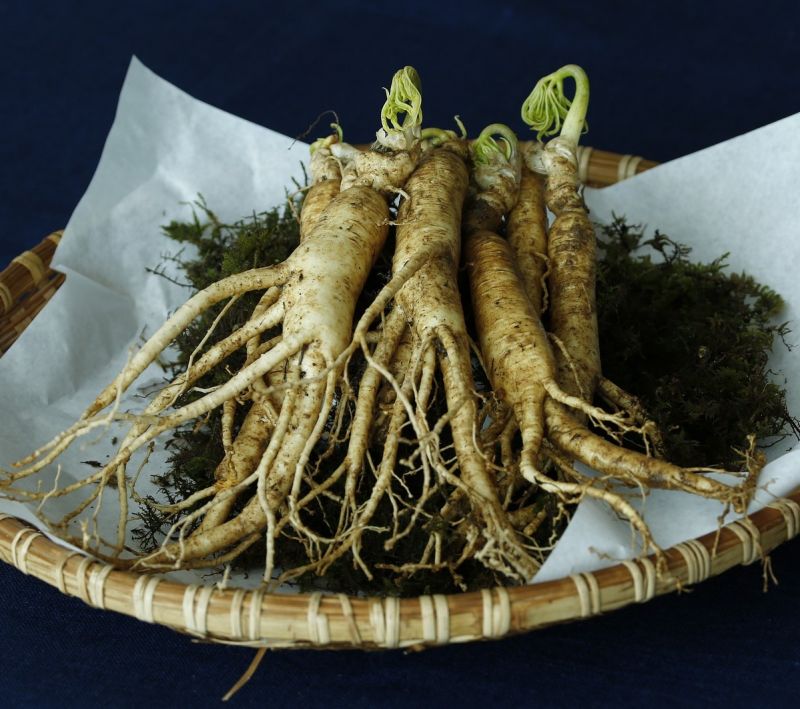
Ginseng, a root with countless virtues, has been a staple in traditional medicine for centuries. This perennial and deciduous plant, belonging to the Araliaceae family, is the primary source of ginseng. With its distinctive yellowish-brown color and bitter taste, the ginseng root is edible and packed with vitamins, essential oils, and oligoelements like magnesium, calcium, and iron.
A Brief History of Ginseng
Ginseng has been used for its purported health benefits, including increased vitality, improved mental clarity, and enhanced physical performance. The plant’s adaptogenic properties have made it a popular choice among athletes, individuals looking to boost their energy levels, and those seeking natural remedies for various ailments.
The Science Behind Ginseng
Research has confirmed the numerous potential health benefits associated with ginseng consumption. Studies have shown that this root contains polysaccharides and ginsenosides, which are believed to contribute to its adaptogenic properties. The key advantage of ginseng lies in its ability to restore balance within the body’s dynamic systems, enabling individuals to better cope with environmental changes.
Benefits of Ginseng
The benefits of consuming ginseng are extensive:
- Boosts Immune Function: Enhances resistance to infections and diseases
- Improves Physical Health: Prolongs life expectancy and enhances overall well-being
- Enhances Mental Clarity: Increases focus, concentration, and mental performance
- Increases Energy: Reduces fatigue and boosts vitality
- Supports Visual Function: Enhances vision clarity
Potential Side Effects
While ginseng is generally considered safe for consumption, excessive use may lead to unpleasant side effects, such as nausea, diarrhea, skin rashes, high blood pressure, palpitations, headaches, insomnia, and allergic reactions. Individuals with pre-existing medical conditions, including hypertension, bleeding disorders, ulcers, anxiety, and insomnia, should consult their healthcare provider before consuming ginseng.
Ginseng: A Natural Adaptogen
To reap the benefits of ginseng, it’s essential to choose high-quality products from reputable sources. Be cautious when purchasing ginseng supplements, as some products may contain low-quality ingredients or be adulterated with other plants. Opt for products sourced from licensed manufacturers and sold through established channels.
How to Use Ginseng Safely
To minimize potential side effects and maximize benefits:
- Consume in moderation: Limit use to 5-7 weeks at a time
- Take breaks: Allow for periods of rest between consecutive use
- Consult a healthcare professional: Discuss your health status and any concerns with your doctor
- Choose high-quality products: Select reputable manufacturers and sources
FAQs
Q: What are the most common side effects of ginseng consumption?
A: Common side effects include nausea, diarrhea, skin rashes, high blood pressure, palpitations, headaches, insomnia, and allergic reactions.
Q: Is ginseng safe for individuals with pre-existing medical conditions?
A: Individuals with hypertension, bleeding disorders, ulcers, anxiety, and insomnia should consult their healthcare provider before consuming ginseng.
Q: How can I ensure the quality of my ginseng supplement?
A: Choose products from reputable manufacturers and sources, and opt for licensed sellers to minimize the risk of low-quality ingredients or adulteration.
Q: Can ginseng help increase metabolism?
A: While ginseng has potential benefits for metabolic function, its effectiveness as a metabolism booster is still being researched and debated.
Q: Is there a recommended dosage for ginseng consumption?
A: The optimal dosage for ginseng varies depending on individual factors, such as age, health status, and intended use. Consult with a healthcare professional to determine the best approach for your needs.
Q: Can I combine ginseng with other supplements or medications?
A: It’s essential to consult with a healthcare professional before combining ginseng with other supplements or medications, as interactions may occur.
Q: Is ginseng effective for weight loss?
A: While some studies suggest that ginseng may aid in weight loss, more research is needed to confirm its effectiveness for this purpose.
Q: Can I consume raw ginseng?
A: Raw ginseng can be bitter and difficult to digest. Cooking or processing the root may enhance its bioavailability and palatability.
Choosing Ginseng Products
When selecting a ginseng product, consider the following factors:
- Sourcing: Opt for products sourced from reputable manufacturers with transparent sourcing practices.
- Production Methods: Choose products made using clean and efficient production methods to minimize contaminants and ensure quality control.
- Label Claims: Be cautious of exaggerated or unsubstantiated label claims. Look for products with clear and evidence-based labeling.
Common Ginseng Products
Some popular ginseng products include:
- Capsules: Convenient and easy to use, capsules are a popular choice among consumers.
- Tinctures: Liquid extracts that can be taken sublingually or added to food and beverages.
- Teas: A soothing and flavorful way to consume ginseng, teas are often made from dried roots or leaves.
- Extracts: Concentrated forms of ginseng that can be used in cooking or as a dietary supplement.
Ginseng and Modern Medicine
While ginseng has been used for centuries, its effectiveness and safety have not always been thoroughly studied. In recent years, however, there has been an increase in research on the benefits and potential side effects of ginseng consumption.
The Future of Ginseng Research
As our understanding of ginseng grows, so too does the demand for high-quality products. To address this need, researchers are exploring new methods for cultivating, processing, and studying ginseng. This includes:
- Genetic research: Scientists are working to understand the genetic makeup of ginseng plants and how they can be bred for optimal quality.
- Phytochemical analysis: Researchers are studying the chemical composition of ginseng roots to identify new compounds with potential health benefits.
- Clinical trials: Studies are being conducted to investigate the efficacy and safety of ginseng in various populations.
Conclusion
Ginseng is a versatile root with a rich history and promising health benefits. By understanding its adaptogenic properties, benefits, and potential side effects, individuals can harness the power of ginseng to improve their overall well-being. As research continues to uncover the secrets of this ancient plant, one thing is clear: nature’s adaptogen has much to offer those seeking natural solutions for a healthy lifestyle.
References:
- “Ginseng” by National Center for Complementary and Integrative Health (NCCIH)
- “Ginseng: A Review of its Pharmacology and Therapeutic Applications” by Journal of Ginseng Research
- “The Effects of Ginseng on Human Health” by European Journal of Nutrition


