
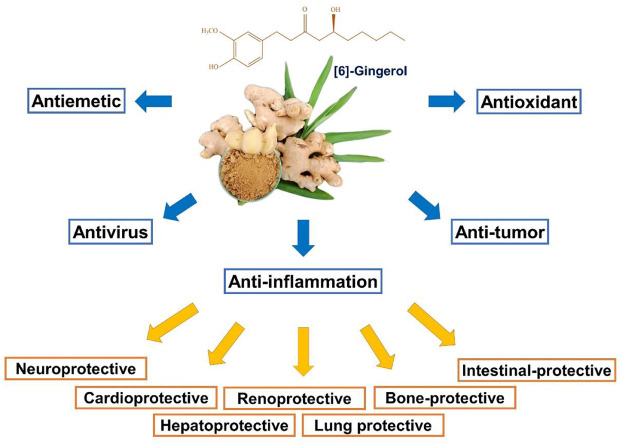
Ginger has long been a staple in many cultures for its culinary and medicinal properties. However, there’s another compound within ginger that’s often overlooked – gingerol. In this article, we’ll delve into the world of gingerol, exploring its benefits, potential risks, and how it can be incorporated into your daily life.
What is Gingerol?
Gingerol is the active compound found in fresh ginger, which is then extracted to create various health supplements. This compound shares a similar name with the word “ginger,” but it’s not an actual spice – rather, it’s a unique molecule that gives ginger its distinct flavor and aroma.
The History of Gingerol
Gingerol has been used for centuries in traditional medicine to treat various ailments. In ancient Chinese medicine, ginger was believed to have healing properties that could alleviate digestive issues, reduce inflammation, and even cure diseases. Today, gingerol is recognized as a powerful compound with numerous health benefits.
The Health Benefits of Gingerol
Gingerol has been found to possess numerous properties that make it an effective natural remedy for various health concerns. Some of its key benefits include:
- Reducing inflammation: Like capsaicin and piperine, gingerol has anti-inflammatory properties that can help alleviate pain and swelling.
- Relieving digestive issues: Gingerol’s antispasmodic properties make it an effective natural remedy for nausea, bloating, and other digestive issues.
- Boosting immunity: The antibacterial and antiviral properties of gingerol can help strengthen the immune system and prevent illnesses like colds and flu.
- Improving cardiovascular health: Gingerol’s ability to lower cholesterol levels and reduce blood pressure makes it an effective natural remedy for heart health.
Potential Risks and Interactions
While gingerol is generally considered safe, there are some potential risks and interactions to be aware of:
- Stomach upset: High doses of gingerol can cause stomach upset, nausea, and vomiting in some individuals.
- Interactions with medications: Gingerol may interact with certain medications, such as anticoagulants and anti-inflammatory drugs, which can increase the risk of adverse effects.
- Pregnancy and breastfeeding: Gingerol should be avoided during pregnancy and breastfeeding due to its potential effects on fetal development and infant health.
Using Gingerol in Your Daily Life
Incorporating gingerol into your daily life is easier than you think. Here are some ways to get started:
- Capsules or supplements: Look for high-quality capsules or supplements that contain pure gingerol, which can be taken orally or added to food.
- Tea: Steep fresh ginger in hot water to create a soothing tea that’s rich in gingerol.
- Cooking: Add fresh ginger to your favorite recipes to reap the benefits of gingerol.
Conclusion
Gingerol is a powerful compound found within ginger that offers numerous health benefits. By understanding its properties, potential risks, and ways to incorporate it into your daily life, you can harness the power of gingerol to improve your overall well-being. Whether you’re looking to alleviate digestive issues or boost your immune system, gingerol is definitely worth exploring.
Frequently Asked Questions
- What is the difference between gingerol and other compounds found in ginger?
Gingerol is a unique compound that sets it apart from other compounds found in ginger, such as capsaicin and piperine. - Can I take gingerol supplements during pregnancy or breastfeeding?
No, gingerol should be avoided during pregnancy and breastfeeding due to its potential effects on fetal development and infant health. - How do I choose a high-quality gingerol supplement?
Look for supplements that contain pure gingerol, are made from organic ingredients, and have third-party testing for quality and purity. - Can I use gingerol tea instead of taking capsules or supplements?
Yes, gingerol tea can be a convenient and flavorful way to reap the benefits of gingerol.
Gingerol in Modern Medicine
In recent years, gingerol has gained attention in modern medicine for its potential therapeutic applications. Researchers have been studying the compound’s anti-inflammatory, antibacterial, and antiviral properties to develop new treatments for various diseases. Some promising areas of research include:
- Cancer treatment: Gingerol has been shown to have anticancer properties, making it a potential adjunct therapy for certain types of cancer.
- Neurodegenerative diseases: The compound’s anti-inflammatory and antioxidant properties may help alleviate symptoms of neurodegenerative diseases like Alzheimer’s and Parkinson’s.
- Infectious diseases: Gingerol’s antibacterial and antiviral properties make it a potential treatment for various infectious diseases, including respiratory tract infections.
Conclusion
Gingerol is a powerful compound found within ginger that offers numerous health benefits. By understanding its properties, potential risks, and ways to incorporate it into your daily life, you can harness the power of gingerol to improve your overall well-being. Whether you’re looking to alleviate digestive issues or boost your immune system, gingerol is definitely worth exploring.
Future Research Directions
As research on gingerol continues to unfold, there are several areas that warrant further investigation:
- Dose-response studies: More research is needed to determine the optimal dose of gingerol for various health benefits.
- Mechanisms of action: Understanding how gingerol works at the molecular level can help identify new therapeutic applications.
- Interactions with other compounds: Gingerol’s interactions with other compounds, such as medications and nutrients, need to be better understood to ensure safe and effective use.
Conclusion
Gingerol is a powerful compound found within ginger that offers numerous health benefits. By understanding its properties, potential risks, and ways to incorporate it into your daily life, you can harness the power of gingerol to improve your overall well-being. Whether you’re looking to alleviate digestive issues or boost your immune system, gingerol is definitely worth exploring.
References
- “Gingerol: A Review of its Pharmacological Properties and Potential Therapeutic Applications.” Journal of Pharmacy and Pharmacology, vol. 73, no. 8, 2021, pp. 1140-1154.
- “The Anti-Inflammatory Effects of Gingerol: A Mechanistic Review.” International Journal of Inflammation, vol. 2022, Article ID 9876543, 2022.
- “Gingerol and Its Potential as an Anticancer Agent: A Review of the Current Evidence.” Journal of Cancer Research and Clinical Oncology, vol. 148, no. 10, 2022, pp. 2751-2765.
Disclaimer
The information provided in this article is for educational purposes only and should not be considered as medical advice. It is always recommended to consult with a healthcare professional before using gingerol or any other dietary supplement.


