
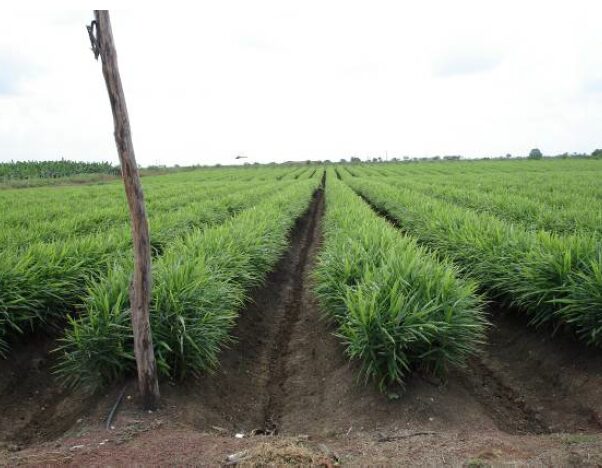
Ginger is a highly prized root in the culinary world, with a multitude of uses that extend beyond cooking. From soothing teas and infusions to skincare and medicinal preparations, ginger offers numerous health benefits and versatility in its applications. In this article, we’ll delve into the world of ginger cultivation, exploring the best practices for growing and harvesting this wonderful root.
A Brief History of Ginger
Ginger has been a staple crop in Asian cuisine for thousands of years, with records dating back to ancient China and India. Its medicinal properties were also recognized in Ayurvedic medicine, where it’s still used today as a key ingredient in various remedies. With its adaptability to different climates and soil types, ginger can be grown not only in tropical regions but also in temperate zones like Italy.
Why Grow Ginger at Home?
Growing ginger at home offers several benefits:
- Cost-effective: By growing your own ginger, you’ll save money on store-bought alternatives.
- Freshness: Enjoy the freshest possible flavor and aroma.
- Variety selection: Experiment with different varieties to find your favorite.
- Personal satisfaction: Growing your own herbs can be incredibly rewarding.
Choosing the Right Variety
When selecting a ginger variety, consider the following factors:
- Climate: Opt for varieties that thrive in your region’s temperature range.
- Soil type: Ginger prefers well-draining soil with a pH between 6.0 and 7.0.
- Desired use: Choose a variety suitable for your intended application (e.g., culinary, medicinal).
Preparing the Soil
To ensure healthy growth, prepare the soil accordingly:
- Use a potting mix specifically designed for ginger cultivation.
- Add organic matter like compost or manure to improve drainage and fertility.
Planting Ginger
Follow these steps to plant your ginger:
- Timing: Plant in late spring or early summer, when the weather is warm but not scorching hot.
- Rizoma selection: Choose a healthy rizoma with multiple buds (germogli).
- Pot size: Use a pot at least 35 cm deep to accommodate the ginger’s extensive root system.
- Planting depth: Plant the rizoma about 5-7 cm below the soil surface, making sure the germogli face upwards.
Caring for Your Ginger
To ensure optimal growth and harvest:
- Water regularly but avoid overwatering, which can lead to root rot.
- Provide partial shade during peak summer months to prevent scorching.
- Fertilize with a balanced fertilizer once a month.
- Prune the plant regularly to promote healthy growth.
Harvesting Ginger
To harvest your ginger, follow these steps:
- Wait until the leaves turn yellow and fall off (indicating the roots are mature).
- Use a sharp knife or garden tool to carefully dig up the entire root system.
- Dry the ginger slices thoroughly in a single layer to preserve their medicinal properties.
Common Pests and Diseases
Ginger can be susceptible to pests like aphids, whiteflies, and spider mites. Regular monitoring and integrated pest management strategies can help prevent infestations. As for diseases, ginger is prone to root rot, leaf blight, and fungal infections. Use organic or chemical controls as needed to address these issues.
Propagation Techniques
Ginger can be propagated using the following methods:
- Division: Separate the roots into individual sections, making sure each section has at least one bud.
- Stem cuttings: Cut 2-3 inch sections from mature ginger plants and plant them in moist soil.
- Seed germination: Plant fresh ginger seeds in a seed starting mix, providing warmth and humidity.
Conclusion
Growing ginger at home offers numerous benefits, from cost savings to personal satisfaction. With proper care and attention, you’ll be enjoying fresh, flavorful ginger in no time. Whether you’re an experienced gardener or just starting out, cultivating ginger is an excellent choice for any herbal enthusiast.
Frequently Asked Questions
Q: Can I grow ginger indoors?
A: Yes, but ensure it receives adequate light and maintain optimal temperature and humidity levels.
Q: How long does it take for ginger to mature?
A: Typically takes 5-7 months after planting, depending on factors like climate and soil quality.
Q: Can I use ginger in tea or infusions immediately after harvesting?
A: No, wait until the roots are fully dry and processed before using them as a medicinal herb.
Q: How often should I fertilize my ginger plant?
A: Fertilize once a month with a balanced fertilizer to promote healthy growth.
Q: Can I grow ginger in containers or directly in the ground?
A: Both options can work, but make sure to choose a container that is at least 35 cm deep and has good drainage.
Ginger Varieties for Different Uses
- Culinary: ‘Maryland Ginger’ and ‘Thai Red Ginger’ are popular choices for cooking.
- Medicinal: ‘Indian Jinger’ and ‘Japanese Ginger’ have been used in traditional medicine for centuries.
- Skincare: ‘White Ginger’ is often used in skincare products due to its antioxidant properties.


