
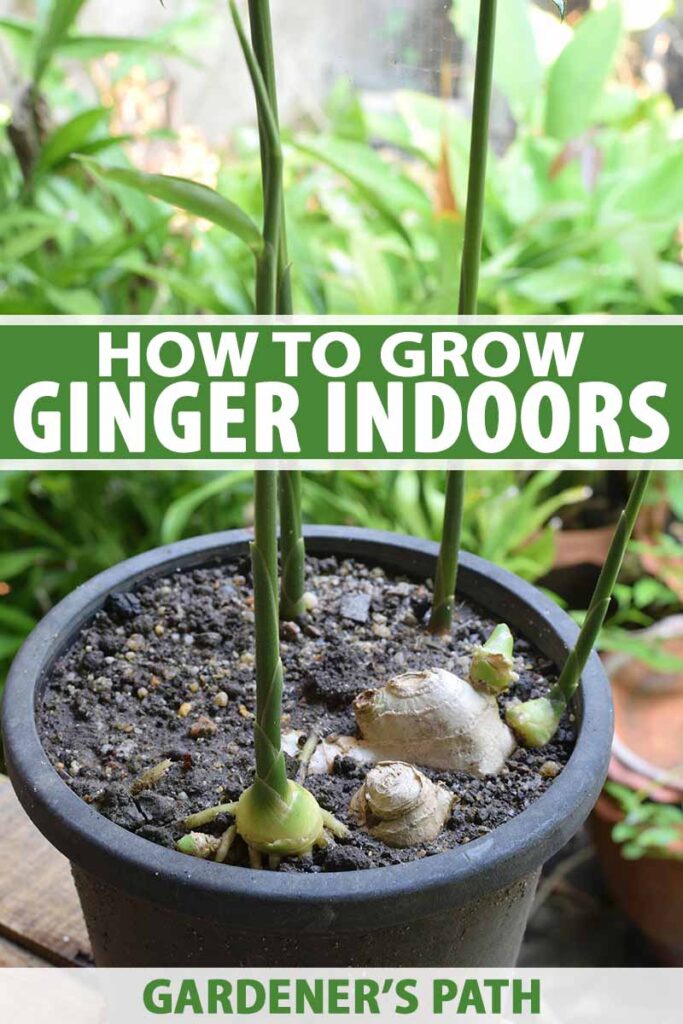
Growing ginger can be a rewarding experience, especially when done correctly. In this article, we’ll explore the best practices for growing ginger in Italy, including its origins, climate requirements, and how to cultivate it successfully.
What is Ginger?
Ginger (Zingiber officinale) is an herbaceous plant native to Southeast Asia but can adapt well to our Mediterranean climate. It has been widely cultivated in India, China, Nepal, Indonesia, and Nigeria for commercial purposes. In 2013, the global production of ginger reached over 2.1 million tons.
Varieties of Ginger
In its native countries, there are several varieties of ginger that have been developed, but when growing it in Italy, we can only rely on a few cultivars that are well-suited to our climate.
One popular variety is ‘Baby Ginger’, which is smaller than the standard variety and has a sweeter flavor. Another variety is ‘Common Ginger’, also known as ‘Indian Ginger’, which is widely cultivated for commercial purposes.
Growing Ginger in Full Field
Growing ginger in full field can be challenging due to the plant’s specific climate requirements. It cannot tolerate temperatures below 10-15°C (50-59°F). Even at lower temperatures, it will not develop a high-quality rhizome.
The only way to grow ginger in full field is by establishing a greenhouse. If you still want to try growing ginger outside, consider using cold frames or greenhouses.
Growing Ginger in Italy
When to Plant
It’s recommended to plant ginger between late winter and early spring, when the temperature is around 10-15°C (50-59°F).
Given the climate requirements of the plant, it’s best to cultivate ginger indoors, on balconies, or in shaded areas of the garden. Place the rhizome in a pot with well-draining soil and cover the top with compost material.
Where to Buy Ginger Rhizomes
Buy fresh rhizomes from local nurseries that specialize in organic products. Avoid buying rhizomes from supermarkets as they may have been treated with chemicals, making them unable to germinate.
Once you obtain a biologically certified ginger rhizome, place it in a ceramic pot indoors and at room temperature. Within a few days, the first sprouts should appear.
Cut the rhizome about 3 cm (1.2 inches) from the tip of the sprout using a sterile knife or pruning tool.
Growing Ginger in Containers
Prepare containers that are at least 40 cm wide and 30 cm deep. Place two pieces of ginger root side by side, each about 15-20 cm apart.
The container should be filled with compost to half its capacity, while the other half is made up of a mix of soil and sand (a medium consistency). If you’re unsure about the drainage capabilities of your potting mix, consider adding expanded clay to the bottom.
Cover the ginger roots with 5 cm of earth, leaving only the green tips above ground. Water the plant once or twice a day during its vegetative stage.
Place the container in an area with filtered sunlight that receives full sun for part of the day.
Water the plant daily until autumn when leaves start falling off, and you can harvest the rhizome.
It typically takes around 8-9 months from planting to harvesting your first ginger crop, depending on climate conditions.
Tips and Tricks
Avoid fertilizing your ginger plant during flowering since it will divert nutrients away from the developing rhizome. Also, be aware that the flowers of a healthy ginger plant may appear, but eliminate them immediately as they reduce the quality of the rhizome.
To promote healthy growth, make sure to water your ginger plant regularly, but avoid overwatering, which can lead to root rot.
Ginger plants are susceptible to pests like aphids and spider mites. Use organic pest control methods whenever possible, such as neem oil or insecticidal soap.
In addition to regular watering, ensure that the container has good air circulation to prevent fungal diseases like leaf spot and root rot.
Another important aspect of growing ginger is pruning. Prune your plant regularly to encourage bushy growth and promote root development.
Frequently Asked Questions
- How long does it take for a ginger plant to grow from seed?
It takes around 12-18 months for a ginger plant to mature from seeds.
- What is the ideal temperature for growing ginger indoors?
The ideal temperature for growing ginger indoors should range between 22-25°C (72-77°F).
- Can I grow multiple ginger plants in one container?
Yes, you can plant two or more pieces of ginger root side by side in a single pot.
- How often should I water my ginger plant when grown in containers?
Irrigate the plant once or twice daily during its vegetative stage and less frequently as it grows older.
- What is the best fertilizer for growing ginger plants indoors?
Use an organic, balanced fertilizer specifically formulated for indoor use to promote healthy growth without overfertilizing.
- Why does my ginger rhizome smell bad when I cut it off?
The unpleasant odor may be caused by bacterial or fungal infections on your plant, indicating a possible pest issue that needs attention.
- Can I grow ginger in acidic soil?
While ginger prefers slightly acidic to neutral pH levels (around 6.0-7.0), you can still try growing it if the soil has some acidity, but be aware that poor drainage may hinder its growth.
- What are some potential pests and diseases affecting my indoor ginger plant?
Check for aphids, spider mites, mealybugs, or scale on your leaves. Regularly inspect your roots and rhizome for signs of fungal infections such as rot or leaf spot.
- Can I grow ginger in a greenhouse?
Yes, you can grow ginger in a greenhouse, but make sure to provide it with adequate ventilation to prevent fungal diseases.
- How do I harvest my ginger crop?
Harvest your ginger crop when the leaves start falling off and the rhizome is about 6-8 cm (2.4-3.1 inches) long. Use a sharp knife or pruning tool to cut the rhizome from the plant, making sure not to damage the roots.
By following these guidelines and tips, you can successfully cultivate ginger in Italy and enjoy its numerous health benefits. Remember to be patient and attentive to your plant’s needs, as growing ginger requires careful planning and attention to detail.


