
Ginger, also known as Zingiber officinale, is a popular herb used for its medicinal properties. Its root has been widely studied and appreciated for its anti-inflammatory, digestive, and stimulating effects. In this article, we’ll delve into the world of ginger, exploring its benefits, risks, and usage guidelines to help you harness its power.
What is Ginger?
Ginger is a type of rhizome that belongs to the Zingiberaceae family. Its root has been used for centuries in traditional medicine to treat various ailments, including nausea, digestive issues, and respiratory problems. Today, ginger is widely recognized as a natural remedy for improving digestion, reducing inflammation, and boosting immunity.
History of Ginger
Ginger has a rich history dating back over 3,000 years. It was first cultivated in China and later introduced to India, where it became an integral part of Ayurvedic medicine. The use of ginger spread throughout the world, with different cultures adopting its medicinal properties for various purposes.
Benefits of Ginger
Ginger’s numerous benefits make it an excellent addition to your diet. Here are some of its most notable advantages:
- Digestive relief: Ginger has natural anti-inflammatory properties that can help alleviate digestive issues such as bloating, gas, and indigestion.
- Antioxidant properties: Ginger contains antioxidants that can help protect against cell damage, reduce inflammation, and promote overall health.
- Immune system boost: Ginger’s antimicrobial properties make it an effective natural remedy for boosting immunity and preventing illnesses.
- Pain relief: Ginger has analgesic and anti-inflammatory effects, making it a popular natural pain reliever.
Types of Ginger
There are several types of ginger available in the market, each with its unique flavor and nutritional profile. Some of the most commonly used types of ginger include:
- Fresh ginger: Fresh ginger is generally considered the safest and most effective form of ginger.
- Dried ginger: Dried ginger can be used as a substitute for fresh ginger, but it may contain higher levels of irritants.
- Powdered ginger: Powdered ginger can be used to add flavor to dishes, but it may not provide the same benefits as fresh or dried ginger.
Risks and Contraindications
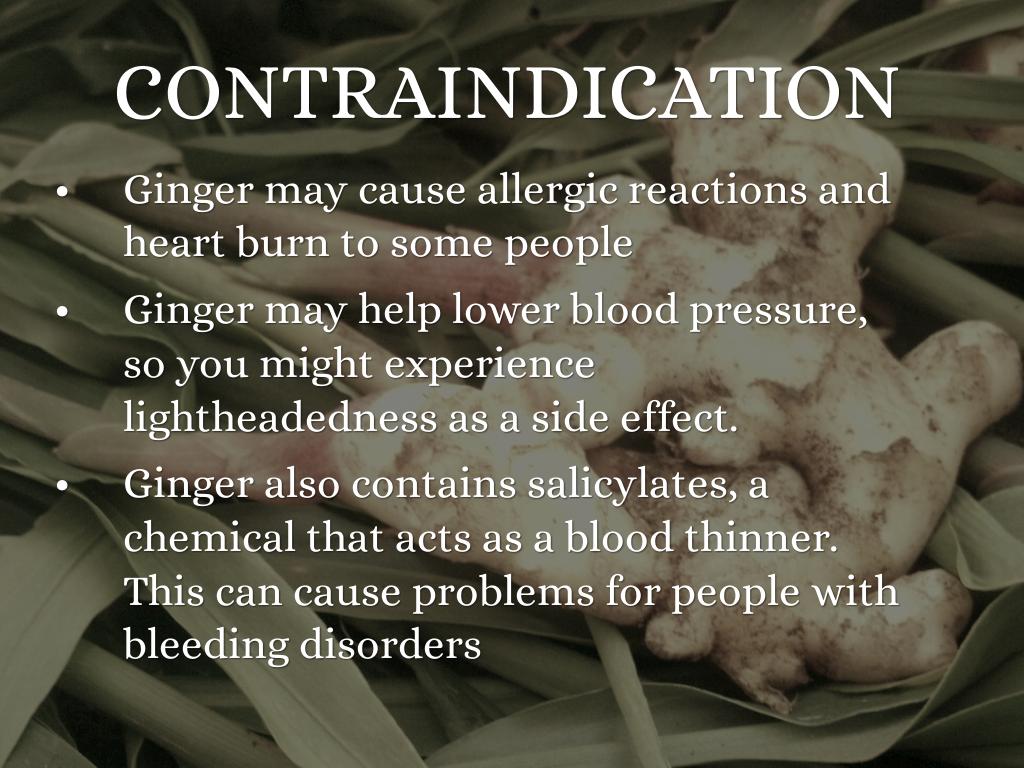
While ginger is generally safe to consume in moderation, there are certain risks and contraindications to be aware of:
- Calculi biliari: Ginger can stimulate the release of bile from the gallbladder, which may exacerbate conditions like gallstones or pancreatitis.
- Gastrite: Ginger may irritate the stomach lining, making it unsuitable for individuals with gastritis or other stomach issues.
- Allergies and sensitivities: Some people may experience allergic reactions or sensitivity to ginger, such as skin rashes, itching, or respiratory problems.
Precautions and Guidelines
To ensure safe and effective use of ginger, follow these guidelines:
- Start with small amounts: Begin with a small dose (about 250mg) and gradually increase the amount based on your tolerance.
- Choose fresh ginger: Fresh ginger is generally safer than dried or powdered forms, which may contain higher levels of irritants.
- Avoid excessive consumption: Consuming large quantities of ginger can lead to stomach upset, nausea, or digestive issues.
- Consult a healthcare professional: If you have any underlying health conditions, consult with your doctor before using ginger as a natural remedy.
How to Use Ginger
Ginger is versatile and can be consumed in various forms:
- Tea: Steep fresh ginger in hot water to create a soothing tea.
- Juicing: Combine ginger with other fruits or vegetables for a refreshing juice.
- Cooking: Add fresh ginger to your meals for added flavor and nutritional benefits.
The Science Behind Ginger’s Benefits
Ginger contains bioactive compounds like gingerol and shogaol, which have anti-inflammatory, antioxidant, and antimicrobial effects. These compounds interact with the body’s natural chemistry, producing a range of beneficial responses that can help alleviate various health issues.
Frequently Asked Questions (FAQs)
Q: Is ginger safe to consume during pregnancy?
A: Yes, but in moderation. Consult your healthcare provider before using ginger as a natural remedy.
Q: Can I use ginger for weight loss?
A: Ginger may aid in weight loss by increasing metabolism and suppressing appetite. However, it should be combined with a healthy diet and regular exercise.
Q: How long does it take to notice the effects of ginger?
A: The onset of ginger’s benefits can vary depending on individual factors. Start with small amounts and gradually increase as needed.
Q: Can I use dried or powdered ginger instead of fresh ginger?
A: Yes, but be aware that these forms may contain higher levels of irritants. Fresh ginger is generally safer and more effective.
Q: Is ginger suitable for individuals with digestive issues like irritable bowel syndrome (IBS)?
A: Ginger can help alleviate IBS symptoms, such as bloating and gas. However, start with small amounts and consult your healthcare provider before using it as a natural remedy.
Q: Can I combine ginger with other herbs or spices to enhance its benefits?
A: Yes, but be cautious when combining ginger with certain medications or health conditions. Consult your healthcare provider before using multiple remedies.
In conclusion, ginger is a versatile herb with numerous benefits and risks. By understanding its properties, contraindications, and usage guidelines, you can harness its power to promote overall health and well-being. Whether you’re looking to alleviate digestive issues, reduce inflammation, or boost immunity, ginger is an excellent addition to your natural remedies repertoire.


