
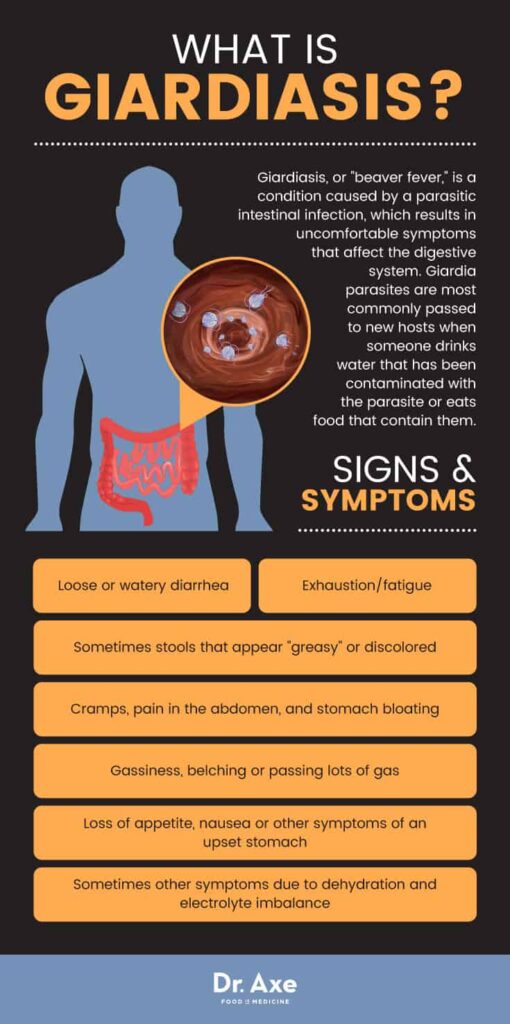
Giardiasis is a gastrointestinal infection caused by the parasite Giardia lamblia. It affects millions of people worldwide, causing a range of symptoms that can be uncomfortable and debilitating. In this article, we will delve into the causes, symptoms, treatment options, and prevention strategies for giardiasis.
What is Giardia?
Giardia is a type of protozoan parasite that belongs to the genus Giardia. There are two main species of Giardia: Giardia lamblia (also known as Giardia intestinalis) and Giardia duodenalis. Giardia is commonly found in animal feces, contaminating water sources, food, and soil. The parasite can survive outside the host for extended periods, making it challenging to eliminate.
Global Prevalence of Giardiasis
Giardiasis is a widespread infection that affects people worldwide. According to the World Health Organization (WHO), approximately 1 billion people are infected with Giardia each year. However, the prevalence of giardiasis varies greatly depending on the region and socioeconomic factors. In developing countries, poor sanitation and hygiene practices contribute to the high transmission rates of giardiasis.
Causes of Giardiasis
Giardia can be transmitted through various modes, including:
- Drinking contaminated water containing Giardia lamblia
- Eating contaminated food (although heat kills parasites)
- Poor hygiene when handling food or consuming washed produce exposed to contaminated water
- Intimate personal contact, such as unprotected anal sex
- Changing a baby’s diaper, especially for infants at high risk of giardiasis
Symptoms of Giardiasis
The symptoms of giardiasis can vary in severity and duration. Some people may experience mild symptoms, while others may develop more severe conditions. Common symptoms include:
• Fatigue
• Nausea
• Diarrhea (often bloody)
• Loss of appetite
• Vomiting
• Abdominal cramps
• Weight loss
• Excessive gas in the intestines
• Headaches
In some cases, giardiasis can lead to complications such as:
- Malnutrition in infants under 5 years old, affecting physical and mental development
- Severe weight loss and dehydration from diarrhea
- Lactose intolerance in some individuals
- Intestinal blockage or bowel obstruction
Diagnosis of Giardiasis
The diagnosis of giardiasis is typically made through a combination of clinical evaluation and laboratory testing. A stool sample may be collected to examine for parasites, while an endoscopy procedure may be performed to visually inspect the digestive tract and take tissue samples.
Treatment of Giardiasis
Most cases of giardiasis resolve on their own without treatment. However, in severe or prolonged cases, a doctor may prescribe specific antiparasitic medications, such as:
• Metronidazole
• Tinidazole
• Nitazoxanide
• Paromomycin
It is essential to follow the recommended treatment course and complete the full dosage to ensure effective treatment.
Risks of Giardiasis
While giardiasis is generally self-limiting, it can lead to complications in some cases. These risks include:
- Severe weight loss and dehydration from diarrhea
- Lactose intolerance in some individuals
- Malnutrition in infants under 5 years old, affecting physical and mental development
- Intestinal blockage or bowel obstruction
Prevention of Giardiasis
To minimize your risk of contracting giardiasis, follow these guidelines:
- Thoroughly wash your hands, especially if you work in areas with high germ transmission
- Avoid drinking water from stagnant sources or consuming surface water unless it’s been boiled, iodized, or filtered
- Use bottled water instead of tap water when traveling to areas with high infection risks
- Avoid washing your teeth with tap water and be aware that this water may also be present in ice cubes and other drinks
- Avoid eating raw local produce
Finally, be mindful of sexual practices that can spread the infection, such as unprotected anal sex.
Traveler’s Precautions
If you’re planning to travel to areas with poor sanitation conditions or are concerned about giardiasis, take the following precautions:
- Drink bottled water or use a water filter
- Avoid eating raw local produce or undercooked meat
- Use hand sanitizer frequently and wash your hands thoroughly after using public restrooms
- Avoid close contact with people who may be infected
Conclusion
Giardiasis is a preventable disease that requires awareness and caution. By understanding its causes, symptoms, treatment options, and prevention strategies, you can reduce your risk of contracting this infection. Consult your doctor if you’re planning to visit areas with poor sanitation conditions or have concerns about giardiasis.
Frequently Asked Questions
- What is the best way to treat giardiasis?
The most effective treatment is usually prescription antiparasitic medications, such as metronidazole or tinidazole. However, your doctor will determine the best course of action based on your individual health conditions. - Can I prevent giardiasis by drinking bottled water?
Drinking bottled water can reduce your risk, but it’s not a foolproof method. Be aware that contaminated water can enter the supply chain at any point. - How long does it take to recover from giardiasis?
Recovery is typically within 4-7 weeks for most people. However, in some cases, complications may arise. - Can I spread giardiasis to others?
Yes, you can spread the infection through intimate personal contact or contaminated food and water. - How common is giardiasis in developed countries?
While giardiasis is less common in developed countries, it’s still present and can be contracted from travelers who visit areas with poor sanitation conditions. - Can I get giardiasis from eating raw vegetables?
While eating raw local produce carries a risk, the likelihood of contracting giardiasis from this source is relatively low. - How do I know if I have giardiasis?
Symptoms typically manifest within 1-2 weeks after exposure and may include fatigue, nausea, diarrhea, and abdominal cramps. - Can I get pregnant with giardiasis?
While there’s limited research on the topic, it’s essential to consult your doctor if you’re experiencing symptoms or have concerns about pregnancy while traveling to areas with high infection risks.
Additional Resources
For more information on giardiasis and other parasitic infections, visit:
- The World Health Organization (WHO)
- The Centers for Disease Control and Prevention (CDC)
- The National Institute of Allergy and Infectious Diseases (NIAID)
Remember to consult your doctor if you have any concerns about giardiasis or other parasitic infections.


