
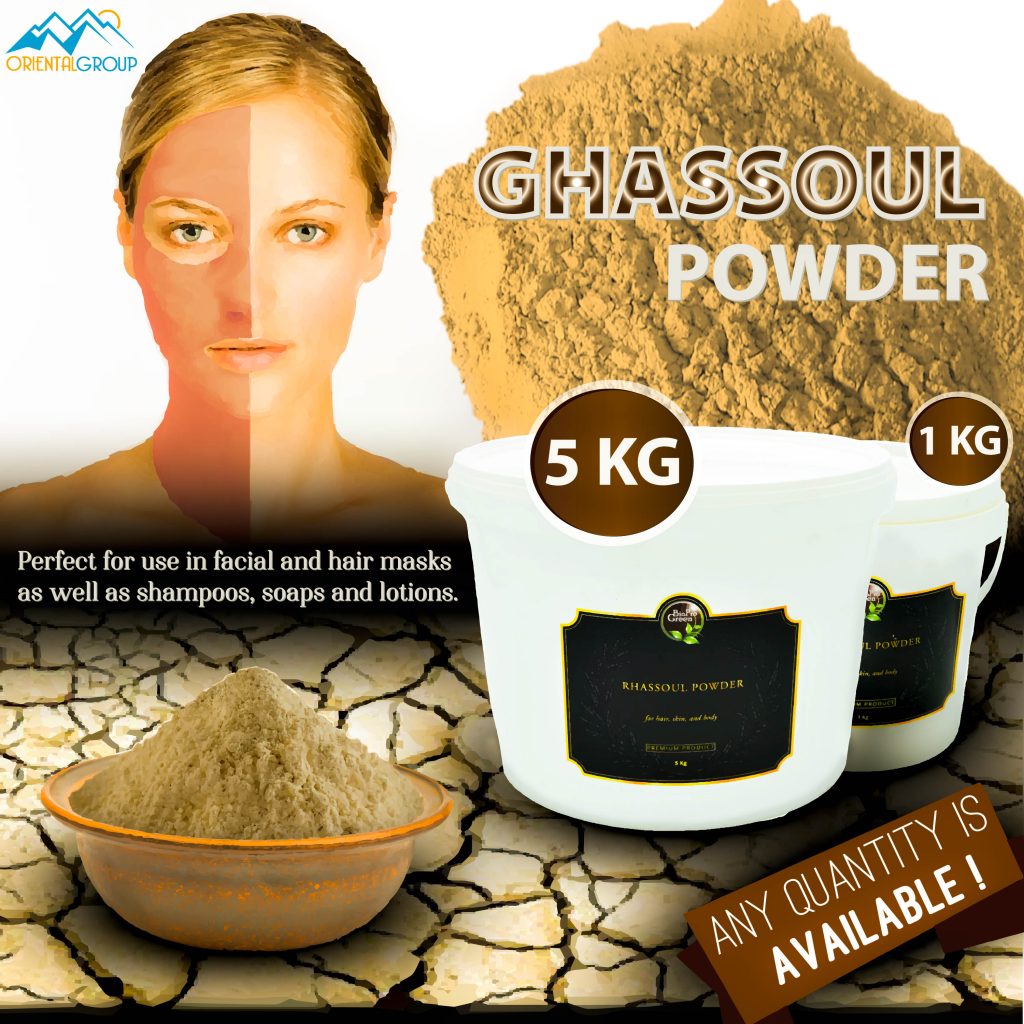
What is Rhassoul Clay?
Rhassoul clay, also known as ghassoul clay, is a type of argillaceous earth that originates from the Atlas Mountains in Morocco. Its name comes from the Arabic word “rhassoul,” which means “to wash.” This natural wonder has been used for over 1,000 years as a skincare and haircare treatment, prized for its ability to detoxify and purify the body.
What are the Characteristics of Rhassoul Clay?
Rhassoul clay is a unique blend of minerals, including stenensite, which gives it its characteristic properties. It is rich in magnesium and potassium, making it an excellent natural exfoliant and skin nourisher. When mixed with water, rhassoul clay forms a smooth, soap-like paste that absorbs impurities and toxins from the skin and hair.
Benefits of Rhassoul Clay for Skin
Rhassoul clay has been used for centuries to detoxify and purify the skin. Its ability to draw out impurities and reduce inflammation makes it an effective treatment for acne, psoriasis, and other skin conditions. The magnesium in rhassoul clay also helps to improve skin elasticity and firmness, giving the skin a smoother, more youthful appearance.
Benefits of Rhassoul Clay for Hair
Rhassoul clay is also renowned for its haircare benefits. Its silica content acts as an exfoliant, removing dead skin cells and product buildup from the scalp and hair shafts. This leaves hair looking healthy, shiny, and full of life. The clay’s ability to purify the scalp also helps to reduce dandruff and other scalp irritations.
How to Use Rhassoul Clay
Using rhassoul clay is relatively simple. For a face mask, mix 50g of clay with 10ml of water to form a smooth paste. Apply the mask to the skin and leave it on for 10-15 minutes before rinsing off with warm water. For hair treatment, mix 2 tablespoons of clay with 1 tablespoon of water to form a paste. Apply the paste to the hair shafts and scalp, leaving it on for 20-30 minutes before shampooing.
DIY Rhassoul Clay Masks and Hair Treatments
Here are two simple recipes to get you started:
- Face mask: Mix 50g of rhassoul clay with 10ml of water, 10ml of miele (honey), and a few drops of essential oil (such as lavender or chamomile).
- Hair treatment: Mix 2 tablespoons of rhassoul clay with 1 tablespoon of water, 1 egg yolk, and a few drops of essential oil.
Using Rhassoul Clay for Body Treatments
Rhassoul clay can also be used to detoxify and purify the body. By mixing the clay with warm water, you create a paste that can be applied to the skin, allowing it to absorb impurities and toxins. This treatment is particularly beneficial for sensitive skin and those prone to acne.
Precautions and Contraindications
While rhassoul clay is generally considered safe for most people, there are some precautions to note:
- If you have an allergy to metals such as aluminum or magnesium, avoid using rhassoul clay.
- Individuals with psoriasis, eczema, or other skin conditions should consult a doctor before using rhassoul clay.
Conclusion
Rhassoul clay is a natural wonder that has been used for centuries to detoxify and purify the body. Its unique properties make it an excellent skincare and haircare treatment, prized for its ability to absorb impurities and toxins while nourishing and hydrating the skin and hair. With its numerous benefits and versatility, rhassoul clay is sure to become a staple in your self-care routine.
FAQs
- Q: Is rhassoul clay suitable for all skin types?
A: Rhassoul clay can be used by most skin types, but those with sensitive skin or allergies should exercise caution. - Q: Can I use rhassoul clay as a substitute for face masks and hair treatments?
A: While rhassoul clay is an excellent natural exfoliant, it may not provide the same level of hydration and nourishment as commercial products. Consider using it in combination with other skincare or haircare products. - Q: Can I use rhassoul clay on damaged skin or hair?
A: Yes, rhassoul clay can be beneficial for damaged skin and hair, but it’s essential to follow the instructions carefully and start with small amounts to avoid irritation. - Q: Is rhassoul clay a suitable replacement for chemical-based skincare products?
A: While rhassoul clay is a natural exfoliant, it may not provide the same level of protection as commercial products containing chemicals like retinol or vitamin C. - Q: Can I use rhassoul clay with other ingredients to create a customized face mask or hair treatment?
A: Absolutely! Rhassoul clay pairs well with many natural ingredients, such as miele (honey), essential oils, and other clays. - Q: How often can I use rhassoul clay on my skin and hair?
A: As with any skincare or haircare treatment, it’s essential to follow the instructions carefully and not overuse rhassoul clay, which can lead to irritation or dryness. - Q: Can I store rhassoul clay for long periods without losing its effectiveness?
A: Rhassoul clay is a sensitive product that should be stored in an airtight container, away from direct sunlight and moisture. - Q: Is it safe to use rhassoul clay if I’m pregnant or breastfeeding?
A: As with any skincare or haircare treatment, it’s essential to consult with a healthcare professional before using rhassoul clay during pregnancy or breastfeeding.
Additional Uses for Rhassoul Clay
Rhassoul clay can be used in a variety of ways beyond its traditional uses as a face mask and hair treatment. Here are some additional uses for this natural wonder:
- Foot Soak: Mix 1 cup of rhassoul clay with 2 cups of warm water to create a foot soak that will soften and exfoliate the skin on your feet.
- Scalp Massage: Use rhassoul clay as a scalp massage treatment by massaging it into your scalp and leaving it on for 10-15 minutes before rinsing off with warm water.
- Exfoliating Scrub: Mix 2 tablespoons of rhassoul clay with 1 tablespoon of sugar or salt to create an exfoliating scrub that will remove dead skin cells and leave your skin feeling smooth and refreshed.
- Body Wrap: Use rhassoul clay as a body wrap by mixing it with warm water and applying it to your skin before wrapping yourself in a towel or plastic bag. Leave the clay on for 10-15 minutes before rinsing off with warm water.
Benefits of Rhassoul Clay in Different Skin Types
Rhassoul clay is suitable for most skin types, but its effectiveness may vary depending on individual skin concerns. Here are some benefits of rhassoul clay in different skin types:
- Normal Skin: Rhassoul clay helps to balance the skin’s natural pH and reduce inflammation.
- Dry Skin: Rhassoul clay helps to hydrate and moisturize dry skin, reducing flakiness and itchiness.
- Oily Skin: Rhassoul clay helps to purify and detoxify oily skin, reducing acne and other breakouts.
- Sensitive Skin: Rhassoul clay is gentle on sensitive skin, but individuals with severe allergies or sensitivities may want to exercise caution.
Precautions for Specific Skin Conditions
While rhassoul clay is generally considered safe for most people, there are some precautions to note for specific skin conditions:
- Acne Prone Skin: Rhassoul clay can help to reduce acne by drawing out impurities and reducing inflammation.
- Psoriasis: Rhassoul clay may exacerbate psoriasis symptoms if used too frequently or in high concentrations. Consult a doctor before using rhassoul clay if you have psoriasis.
- Eczema: Rhassoul clay is generally considered safe for eczema-prone skin, but individuals with severe allergies or sensitivities should exercise caution.
Conclusion
Rhassoul clay is a natural wonder that has been used for centuries to detoxify and purify the body. Its unique properties make it an excellent skincare and haircare treatment, prized for its ability to absorb impurities and toxins while nourishing and hydrating the skin and hair. With its numerous benefits and versatility, rhassoul clay is sure to become a staple in your self-care routine.



