
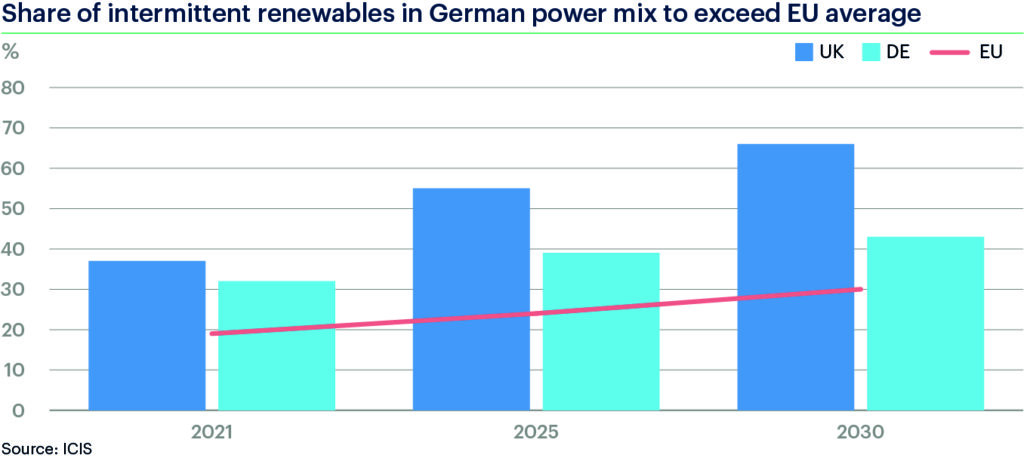
The Irishx Annual Report has recently shown that political support can guarantee the Italian energy market an economic return of $49 billion. Germany has been more proactive, supporting clean energy with incentives focused on installing solar and wind power plants, while introducing a new strategic line with the announcement of incentives for energy storage.
What is Energy Storage?
Energy storage refers to the enhancement of grids, creation of jobs, carbon dioxide sales, and fuel risk reduction related to fossil fuel price fluctuations. In simple terms, it’s about storing excess energy that is generated by renewable sources like solar or wind power during periods of high production, and using that stored energy during periods of low production.
A Growing Need for Energy Storage
As the world shifts towards renewable energy sources, the need for energy storage has become increasingly important. With more and more households and businesses switching to solar panels and wind turbines, there is a growing risk of grid instability and power outages. This is where energy storage comes in – by storing excess energy during periods of high production, we can ensure that there is enough energy available when it’s needed.
Germany’s Energy Storage Plan
In February this year, Germany completed its plan to increase energy storage capacity, and the program of incentives for energy storage will be fully operational from next May. This means that households and businesses can now purchase storage systems with a subsidy of 660 €/kW of produced solar energy.
The plans include an increase in grid capacity by 66% with a corresponding reduction in energy production of 40%. To ensure market stability, Germany has created a new federal association dedicated to energy storage. For this reason, $25 million were set aside by the German state-owned bank KfW.
Incentives for Energy Storage
The incentives for energy storage will cover around 30% of the costs of storage systems. The storage system must be connected to a solar power plant with a maximum capacity of 30 kW, the plant must feed at least 60% of the clean energy produced into the grid, and the rest can be stored in the battery.
Storage systems that can be acquired with state incentives must be covered by a guarantee for at least 7 years, ensuring proper long-term functioning. This means that households and businesses investing in energy storage will have peace of mind knowing that their investment is protected for many years to come.
Key Features of Energy Storage Incentives
The German law on incentives for energy storage is transparent and very detailed, leaving no room for speculation or manipulation of any kind. The key features of the incentives are:
- A subsidy of 660 €/kW of produced solar energy
- An increase in grid capacity by 66%
- A reduction in energy production of 40%
- A guarantee for at least 7 years
Benefits of Energy Storage
The introduction of incentives for energy storage in Germany is a significant step towards reducing fuel risk related to fossil fuel price fluctuations. By storing excess energy, households and businesses can reduce their dependence on traditional energy sources and lower their carbon footprint.
Some of the key benefits of energy storage include:
- Reduced fuel risk
- Lower carbon footprint
- Increased grid stability
- Creation of jobs
Conclusion
In conclusion, the German government’s decision to introduce incentives for energy storage is a positive move towards promoting sustainable energy production and consumption. As the demand for renewable energy continues to grow, it is essential that we explore innovative solutions like energy storage to ensure a stable and reliable energy supply.
FAQs
- What is the purpose of energy storage?
Energy storage refers to the enhancement of grids, creation of jobs, carbon dioxide sales, and fuel risk reduction related to fossil fuel price fluctuations. - How does Germany’s energy storage plan work?
Germany has completed its plan last February, and the program of incentives for energy storage will be fully operational from next May. - What are the benefits of energy storage?
The introduction of incentives for energy storage in Germany is a significant step towards reducing fuel risk related to fossil fuel price fluctuations. - How much can I save with energy storage incentives?
The incentives for energy storage will cover around 30% of the costs of storage systems. - What are the requirements for acquiring an energy storage system with state incentives?
The storage system must be connected to a solar power plant with a maximum capacity of 30 kW, the plant must feed at least 60% of the clean energy produced into the grid, and the rest can be stored in the battery. - How long do I need to guarantee for my energy storage system?
The systems that can be acquired with state incentives must be covered by a guarantee for at least 7 years. - Will the energy storage plan affect the price of electricity?
No, the energy storage plan will not directly affect the price of electricity. - Is there any additional information about the German law on incentives for energy storage?
The German law on incentives for energy storage is transparent and very detailed, leaving no room for speculation or manipulation of any kind.
Germany’s decision to introduce incentives for energy storage is a positive step towards promoting sustainable energy production and consumption. As the demand for renewable energy continues to grow, it is essential that we explore innovative solutions like energy storage to ensure a stable and reliable energy supply.


