
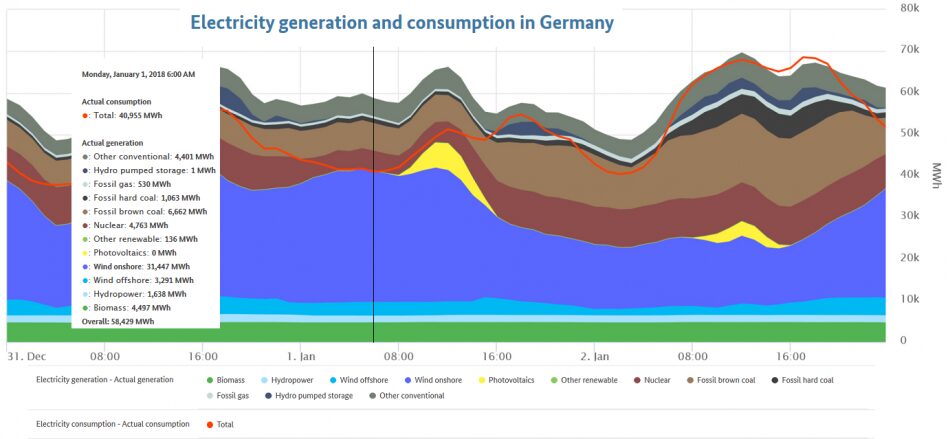
The Path to a Sustainable Future: Understanding the German Model
As the world grapples with the challenges of climate change, energy sustainability has become a pressing concern. Can Germany, a leading economy in Europe, achieve 100% renewable energy by 2050? The answer lies in its commitment to sustainable energy policies and innovative approaches.
A Step in the Right Direction: German Renewable Energy
The German government’s ambitious targets for renewable energy have set a precedent for other European countries. With the help of non-governmental organizations (NGOs) like the Heinrich Böll Foundation, Germany has made significant progress in reducing its dependence on fossil fuels. The goal of achieving 100% renewable energy by 2050 is within reach.
A Cooperative Europe: A Key to Success
However, achieving this goal will require a coordinated effort from all European countries. Current market trends suggest that a unified approach is necessary to overcome the challenges faced by individual nations. Differing priorities and financial commitments can hinder progress toward sustainable energy goals.
Overcoming Obstacles: Grid Parity and Financing
One major hurdle to overcome is achieving “Grid Parity,” where the cost of renewable energy equals or surpasses traditional fossil fuels. This requires eliminating “subsidies for dirty energy” such as nuclear power and coal. By addressing these disparities, Germany can make significant strides toward its goal.
The German Model: A Beacon of Hope
Germany’s impressive progress in reducing greenhouse gas emissions is a testament to the effectiveness of targeted policies. The country has already exceeded its 2020 target of 35% renewable energy. With continued cooperation and innovation, Germany may be poised to become the first country to achieve 100% renewable energy by 2050.
Key Components of Germany’s Renewable Energy Strategy
- Wind Power: Wind power is a crucial component of Germany’s renewable energy strategy. The country aims to generate over 60 gigawatts (GW) of electricity from wind power by 2030.
- Solar Power: Solar power is also an essential part of the German energy mix, with plans to increase solar capacity to over 100 GW by 2025.
- Hydroelectric Power: Hydroelectric power plants provide a significant portion of Germany’s renewable energy, with plans to expand capacity to over 20 GW by 2030.
- Bioenergy: Bioenergy from biomass and waste plays a vital role in reducing greenhouse gas emissions and supporting sustainable land use practices.
The Role of Energy Storage
Energy storage is crucial for integrating intermittent renewable energy sources into the grid. Germany has made significant investments in energy storage technologies, including pumped hydroelectric storage (PHS), compressed air energy storage (CAES), and lithium-ion batteries.
Grid Modernization and Smart Grids
Germany’s grid modernization efforts focus on creating smart grids that can efficiently integrate renewable energy sources. This includes the deployment of advanced weather forecasting systems, grid management software, and smart metering technologies.
Green Economy and Job Creation
Achieving 100% renewable energy by 2050 will create new job opportunities in the clean energy sector. Germany aims to generate over 3 million jobs related to the green economy by 2030, with a significant portion of these roles focused on renewable energy.
The Benefits of Renewable Energy
Renewable energy offers numerous benefits for Germany and Europe as a whole. These include:
- Reducing Greenhouse Gas Emissions: Transitioning to renewable energy can significantly reduce greenhouse gas emissions, helping to combat climate change.
- Improving Air Quality: Renewable energy sources produce little to no air pollution, improving local air quality and public health.
- Enhancing Energy Security: Diversifying the energy mix with renewable energy sources reduces dependence on imported fossil fuels, enhancing energy security.
Challenges Facing Germany’s Renewable Energy Goals
While Germany has made significant progress in reducing its greenhouse gas emissions, there are still challenges to overcome:
- Grid Capacity: Integrating large amounts of intermittent renewable energy into the grid requires significant investments in energy storage and grid modernization.
- Public Acceptance: The deployment of wind turbines and solar panels can be met with public opposition, requiring effective communication strategies to address concerns.
- Economic Viability: Ensuring that renewable energy is economically viable for utilities and consumers is essential for achieving 100% renewable energy by 2050.
Conclusion: A Sustainable Future for All
Achieving 100% renewable energy by 2050 is a challenging task that requires international cooperation and commitment. By examining the German model and addressing current obstacles, Europe can make significant strides toward a sustainable future. As we look to the horizon, one thing is clear: the path to a greener tomorrow begins with informed discussions and collective action.
Frequently Asked Questions
- What is Grid Parity?
Grid parity refers to the point at which renewable energy becomes economically viable compared to traditional fossil fuels.
- How does Germany plan to achieve 100% renewable energy by 2050?
Germany aims to reduce its greenhouse gas emissions through targeted policies and innovative approaches, including the development of a unified grid for renewable energy.
- What role do NGOs play in supporting Germany’s sustainable energy goals?
NGOs like the Heinrich Böll Foundation have provided crucial support and guidance in helping Germany achieve its ambitious targets for renewable energy.
- Can other European countries follow Germany’s lead to achieve 100% renewable energy by 2050?
While individual progress may vary, a coordinated effort from all European countries is necessary to overcome current obstacles and make significant strides toward sustainable energy goals.
- What are the main challenges facing Europe in its pursuit of 100% renewable energy?
Key challenges include differing priorities and financial commitments among European countries, as well as the need for improved grid infrastructure and financing mechanisms.
- How will achieving Grid Parity impact the energy sector?
Grid parity will lead to a shift away from fossil fuels and toward renewable energy sources, promoting a more sustainable energy mix and reducing greenhouse gas emissions.
- What can be done to address disparities in financial commitments between European countries?
To address these disparities, policymakers must work together to develop consistent funding mechanisms and policies that support the transition to renewable energy.
- How will Germany’s success in achieving 100% renewable energy by 2050 impact the global climate agenda?
Germany’s achievement can serve as a model for other countries to follow, demonstrating the feasibility of ambitious sustainability goals and inspiring international cooperation on climate change mitigation efforts.


