
As the summer heat sets in, many of us struggle to keep our homes cool without breaking the bank. However, have you considered harnessing the power of geothermal energy to reduce your energy bills and lower your carbon footprint? In this article, we’ll explore the world of geothermal heat pumps and discover how they can be a game-changer for your home’s heating, cooling, and hot water needs.
What is Geothermal Energy?
Geothermal energy is the harnessing of heat from beneath the Earth’s surface to provide warmth, cooling, or hot water. This renewable energy source is available 24/7 and requires minimal maintenance, making it an attractive option for homes and businesses looking to reduce their reliance on fossil fuels.
How Does Geothermal Energy Work?
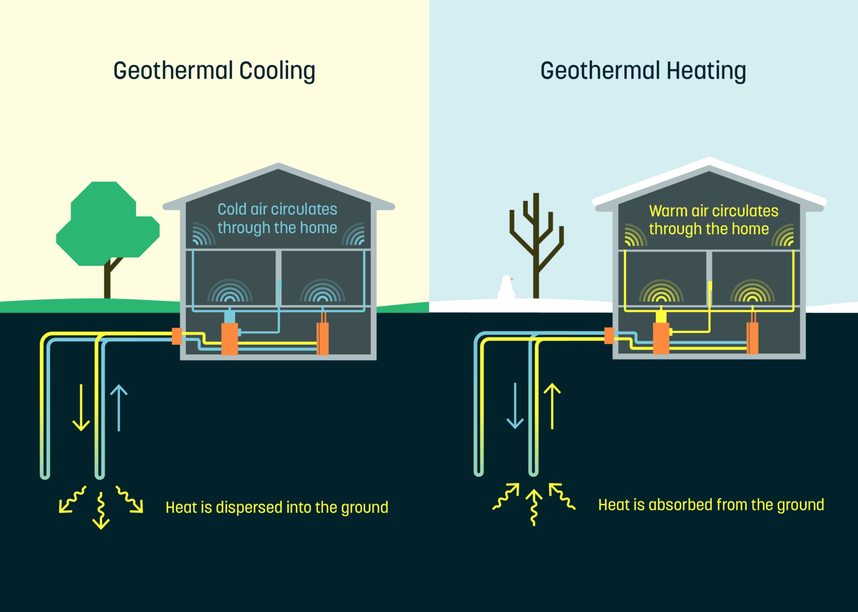
A geothermal heat pump works by extracting heat from the ground and transferring it to a building’s heating or cooling system. This process involves a series of coils buried in the ground that absorb heat from the surrounding soil, which is then used to warm or cool the building.
Benefits of Geothermal Heat Pumps
There are several benefits to using geothermal heat pumps:
- Energy Efficiency: Geothermal heat pumps can save you up to 50% on your energy bills compared to traditional heating and cooling systems.
- Renewable Energy Source: Geothermal energy is a renewable resource that’s available year-round, making it a sustainable choice for homeowners and businesses.
- Low Maintenance: Geothermal heat pumps require minimal maintenance and can last up to 25 years or more with proper care.
- Increased Property Value: Installing a geothermal heat pump system can increase the value of your property, making it more attractive to potential buyers.
Challenges of Geothermal Heat Pumps
While geothermal heat pumps offer many benefits, there are some challenges to consider:
- High Upfront Costs: Installing a geothermal heat pump system can be expensive, although the long-term savings can make it worth the investment.
- Location-Specific: Geothermal energy works best in areas with suitable soil conditions and adequate groundwater flow. If your property has poor soil quality or limited water availability, it may not be feasible to install a geothermal heat pump system.
- System Design Complexity: Geothermal heat pump systems require careful design and installation to ensure optimal performance and efficiency.
Types of Geothermal Heat Pumps
There are several types of geothermal heat pumps available:
- Ground Source Heat Pumps (GSHPs): These systems use pipes buried in the ground to extract heat from the surrounding soil.
- Air-Source Heat Pumps: These systems use air to transfer heat between the building and the outside environment.
- Hybrid Systems: These systems combine geothermal energy with other renewable energy sources, such as solar or wind power.
How to Choose the Right Geothermal Heat Pump System
Choosing the right geothermal heat pump system for your home depends on several factors:
- Your Location: Consider the soil conditions and groundwater flow in your area when selecting a geothermal heat pump system.
- Your Energy Needs: Determine how much energy you need to heat or cool your home and choose a system that can meet those needs.
- System Design Complexity: If you’re not experienced with geothermal heat pump systems, it’s recommended to work with a professional to ensure optimal performance and efficiency.
Innovations in Geothermal Heat Pumps
The field of geothermal heat pumps is constantly evolving, with new technologies and innovations emerging regularly. Some of the latest advancements include:
- Improved System Efficiency: New designs and materials are being developed to improve the efficiency of geothermal heat pump systems.
- Increased Flexibility: Hybrid systems that combine geothermal energy with other renewable energy sources are becoming increasingly popular.
- Enhanced User Experience: Geothermal heat pump systems are being designed with user-friendliness in mind, making it easier for homeowners and businesses to manage their energy needs.
Conclusion
Geothermal heat pumps offer a sustainable and efficient way to reduce your energy bills and lower your carbon footprint. With the right system and installation, geothermal energy can provide warmth, cooling, and hot water for years to come. As we look towards a more sustainable future, it’s essential to explore alternative energy sources like geothermal energy.
Case Studies
- A Small Business in California: A small business owner in California installed a ground source heat pump system, which saved them $10,000 per year on their energy bills.
- A Residential Property in New York: A homeowner in New York installed an air-source heat pump system, which reduced their energy consumption by 30% and lowered their carbon footprint.
FAQs
- What is geothermal energy?
Geothermal energy is the harnessing of heat from beneath the Earth’s surface to provide warmth, cooling, or hot water. - How does a geothermal heat pump work?
A geothermal heat pump works by extracting heat from the ground and transferring it to a building’s heating or cooling system. - What are the benefits of geothermal heat pumps?
Geothermal heat pumps offer energy efficiency, renewable energy, low maintenance, long-term savings on energy bills, and increased property value. - Are geothermal heat pumps expensive?
Installing a geothermal heat pump system can be expensive, although the long-term savings can make it worth the investment. - What are the challenges of geothermal heat pumps?
The challenges include high upfront costs, location-specific suitability, and limited availability in certain areas. - What types of geothermal heat pumps are available?
There are ground source heat pumps (GSHPs), air-source heat pumps, and hybrid systems that combine geothermal energy with other renewable energy sources. - How do I choose the right geothermal heat pump system for my home?
Consider your location, energy needs, and choose a system that meets those needs.
By understanding the benefits, challenges, and types of geothermal heat pumps, you can make an informed decision about whether this renewable energy source is right for your home.


