
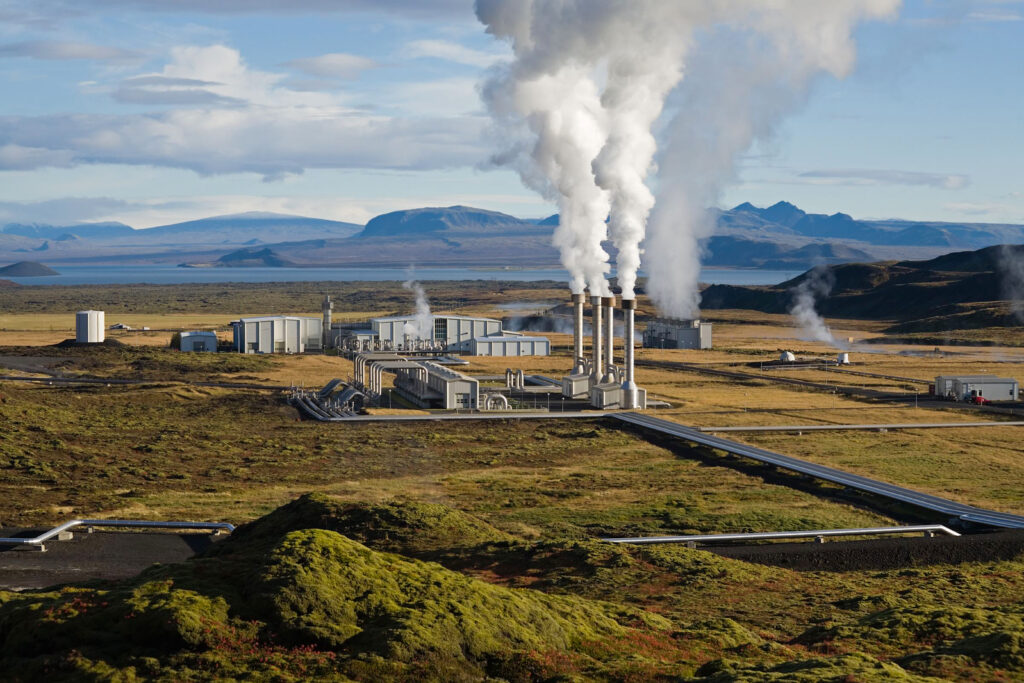
Deep beneath our feet lies a treasure trove of energy, waiting to be tapped into and harnessed. This abundant source of renewable energy is known as geothermal energy, and it has the potential to revolutionize the way we generate power.
What is Geothermal Energy?
Geothermal energy is a type of heat energy that is generated by the natural flow of heat from the Earth’s interior. It occurs when hot water or steam rises from underground reservoirs, driven by the planet’s internal heat budget. This process happens at depths of up to 10 kilometers, where temperatures can reach as high as 200°C.
The Science Behind Geothermal Energy
Geothermal energy is a result of the Earth’s internal heat, which is generated by the decay of radioactive elements in the Earth’s core and mantle. This heat is transferred through the Earth’s crust, causing rocks to melt and form magma. The movement of tectonic plates also contributes to the formation of faults and fractures, allowing hot water or steam to rise to the surface.
How Does Geothermal Energy Work?
The principle behind geothermal energy is simple: harnessing the Earth’s heat to generate electricity. Here’s how it works:
- Exploration: Scientists identify areas with suitable geology and geothermal activity.
- Drilling: Wells are drilled into the underground reservoirs, accessing hot water or steam.
- Fluid circulation: A circulating fluid, such as water or a synthetic solution, is pumped through the wells to extract heat from the Earth’s interior.
The Benefits of Geothermal Energy
Geothermal energy offers numerous benefits:
- Renewable and sustainable: Geothermal energy is a renewable resource that can be replenished naturally.
- Zero greenhouse gas emissions: Unlike fossil fuels, geothermal power plants emit no greenhouse gases or pollutants.
- Reliability: Geothermal power plants can operate continuously, providing a reliable source of electricity.
Geothermal Power Plants: The Key to Unlocking the Potential of Geothermal Energy
A geothermal power plant typically consists of:
- Exploration and development: Identifying suitable geology and drilling wells to access hot water or steam.
- Power generation: Using the extracted heat to produce steam, which drives a turbine connected to a generator.
- Cooling system: Removing excess heat from the cooled fluid and releasing it into the environment.
The Cost of Geothermal Energy
While the initial cost of building a geothermal power plant can be high, the long-term benefits are significant:
- Low operating costs: Once installed, geothermal power plants require minimal maintenance and have low operating costs.
- Long lifespan: Geothermal power plants can operate for 50 years or more with regular upgrades.
Case Study: A Geothermal Power Plant in Action
The geothermal power plant at Larderello, Italy, is one of the oldest and largest in the world. Built in 1960, it has a capacity of 120 MW and uses hot water from underground reservoirs to generate electricity.
Frequently Asked Questions (FAQs)
- What is the most suitable location for geothermal energy production?
- Areas with high volcanic activity and suitable geology are ideal for geothermal energy production.
- How long does it take to build a geothermal power plant?
- The construction time can vary from 2-5 years, depending on the project’s complexity and location.
- What is the typical lifespan of a geothermal power plant?
- With regular upgrades, geothermal power plants can operate for 50 years or more.
- Can geothermal energy be used for heating and cooling purposes?
- Yes, geothermal energy can be used to provide both heating and cooling, depending on the application.
Challenges and Limitations
While geothermal energy has many benefits, there are also challenges and limitations that need to be addressed:
- Location-specific: Geothermal energy is location-specific and may not be suitable for all regions.
- Exploration costs: The cost of exploration can be high, making it difficult to identify suitable locations.
- Public perception: Geothermal energy production can have negative impacts on local communities.
Conclusion
Geothermal energy is a game-changing source of renewable power that has the potential to transform the way we generate electricity. With its numerous benefits, long lifespan, and low operating costs, it’s an attractive option for countries seeking sustainable energy solutions. However, challenges such as location-specific limitations and high exploration costs need to be addressed in order to unlock the full potential of geothermal energy.


