
Unlocking the Power of Geothermal Energy: A Global Perspective
1. Introduction to Geothermal Energy
Geothermal energy, also known as heat energy, is a form of renewable energy that harnesses the Earth’s internal heat to generate electricity and provide warmth. With over 450 geothermal projects in development worldwide, this clean energy source is poised to play a significant role in reducing our reliance on fossil fuels.
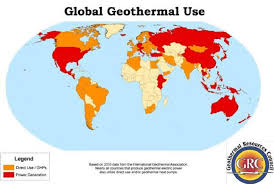
The concept of geothermal energy has been around for centuries, with ancient civilizations using hot springs and geysers for heating and bathing purposes. However, it wasn’t until the mid-20th century that geothermal energy began to be harnessed commercially. Since then, the industry has experienced remarkable growth, with projects spanning 64 countries.
2. The Growth of Geothermal Energy
Despite its potential, geothermal energy still faces several challenges, including high upfront costs, limited public awareness, and regulatory hurdles. To overcome these obstacles, governments must streamline their approval processes and create a more supportive environment for innovative technologies.
In recent years, there has been an increase in investment in geothermal energy, with many countries seeking to develop new projects and expand existing ones. This growth is driven by the need to reduce greenhouse gas emissions and mitigate climate change.
3. Why Are Advanced Geothermal Systems Lacking?
Advanced geothermal systems (AGS) are still largely unknown to the public and lack investment support. As a result, few areas are economically prepared to adopt this technology, which requires significant upfront costs. One notable example is Ireland, where the National Authority for Energy Islands (Orkustofnun) is working with four Icelandic companies to develop a project that extracts energy from beneath 4,000 meters of the Earth’s surface.
AGS have the potential to unlock new resources and increase the efficiency of geothermal energy production. However, they also require significant investment and technical expertise.
4. Italy Enters the Deep Drilling fray
Italy is also involved in a deep drilling project called the Campi Flegrei Deep Drilling Project (CFDDP), which aims to compress the dynamic vulcanic dynamics and explore new technologies for sustainable environmental monitoring and eco-compatible energy use. Although not primarily focused on energy production, this project will likely have significant implications for the geothermal sector.
5. Countries Leading the Geothermal Charge
Countries like Chile, Indonesia, and Kenya are at the forefront of geothermal development, with a combined total of over 1,000 MW of installed capacity. The United States, meanwhile, has seen an impressive growth in its geothermal energy output, with plans to add over 5,000 MW of new capacity in the near future.
These countries are driving innovation and investment in the geothermal sector, and their success is inspiring others to follow suit.
6. The Role of Geothermal Energy in Renewable Portfolio Diversification
Geothermal energy is often overlooked in discussions about renewable energy sources. However, it can play a vital role in diversifying renewable portfolios and reducing dependence on wind and solar power. With geothermal systems able to be deployed faster than traditional renewables, the main barrier to adoption is bureaucratic red tape.
7. The Challenges Facing Geothermal Energy
Despite its potential, geothermal energy still faces several challenges, including high upfront costs, limited public awareness, and regulatory hurdles. To overcome these obstacles, governments must streamline their approval processes and create a more supportive environment for innovative technologies.
These challenges can be addressed through education, research, and development of new technologies that make the process more efficient and cost-effective.
8. The Future of Geothermal Energy
As the world continues to grapple with climate change and energy security concerns, geothermal energy is poised to emerge as a key player in the global transition to low-carbon economies. With continued investment and innovation, this clean energy source can help us unlock the power of our planet’s internal heat.
The future of geothermal energy looks bright, with many countries seeking to develop new projects and expand existing ones. As technology continues to improve, we can expect to see more efficient and cost-effective systems that make it easier for people around the world to access this clean energy source.
9. Why Geothermal Energy Matters
Geothermal energy has several advantages that make it an attractive option for reducing greenhouse gas emissions:
- Zero Emissions: Geothermal systems emit no greenhouse gases or other pollutants.
- Reliability: Geothermal power plants can operate continuously, providing a stable source of electricity.
- Scalability: Geothermal energy can be deployed at various scales, from small-scale community projects to large-scale industrial applications.
These advantages make geothermal energy an attractive option for reducing greenhouse gas emissions and mitigating climate change.
10. The Business Case for Geothermal Energy
While geothermal energy may require significant upfront investment, it offers several long-term benefits that make it an attractive option for businesses and investors:
- Reduced Operating Costs: Geothermal power plants have lower operating costs compared to traditional fossil fuel-based power plants.
- Increased Asset Value: Geothermal assets can appreciate in value over time due to their limited supply.
- Diversified Portfolio: Investing in geothermal energy can help diversify a portfolio and reduce exposure to market volatility.
These benefits make geothermal energy an attractive option for businesses and investors seeking to reduce their environmental impact while also increasing their long-term returns.
11. The Role of Technology in Enhancing Geothermal Energy
Advances in technology are crucial for enhancing the efficiency and scalability of geothermal energy:
- Enhanced Geothermal Systems (EGS): EGS technologies allow for the stimulation of hot rock formations, increasing the amount of geothermal energy that can be extracted.
- Geothermal Power Plants: Modern geothermal power plants are designed to operate more efficiently and produce more electricity than traditional systems.
- Data Analytics: Advanced data analytics tools help optimize geothermal system performance and predict energy production.
These technologies have the potential to unlock new resources and increase the efficiency of geothermal energy production, making it a more attractive option for businesses and investors.
12. The Importance of Public-Private Partnerships
Public-private partnerships (PPPs) play a vital role in facilitating the development and deployment of geothermal energy:
- Risk Sharing: PPPs allow governments to share risk with private sector partners, reducing the financial burden of developing new projects.
- Access to Expertise: PPPs provide access to expertise and technology that may not be available through traditional public funding channels.
- Incentivizing Investment: PPPs can offer attractive incentives for investors to participate in geothermal energy development.
These partnerships have the potential to unlock new resources and increase the efficiency of geothermal energy production, making it a more attractive option for businesses and investors.
13. The Need for Policy Support
Policy support is essential for promoting the growth of geothermal energy:
- Streamlined Regulations: Governments must streamline their regulatory processes to facilitate the deployment of new geothermal projects.
- Incentives and Tax Credits: Governments can offer incentives, such as tax credits or grants, to encourage investment in geothermal energy development.
- Public Awareness: Governments should raise public awareness about the benefits and potential of geothermal energy.
These policies have the potential to unlock new resources and increase the efficiency of geothermal energy production, making it a more attractive option for businesses and investors.
14. The Future of Geothermal Energy: A Global Perspective
As the world continues to transition towards a low-carbon economy, geothermal energy is poised to play a significant role:
- Growing Demand: Geothermal energy demand is expected to grow as more countries adopt renewable energy targets and climate change mitigation strategies.
- Technological Advancements: Advances in technology will enhance the efficiency and scalability of geothermal systems, making them more attractive to investors and users.
- Global Cooperation: International cooperation is essential for promoting the growth of geothermal energy globally.
These developments have the potential to unlock new resources and increase the efficiency of geothermal energy production, making it a more attractive option for businesses and investors around the world.
15. Conclusion
In conclusion, geothermal energy is a clean, reliable, and scalable source of renewable energy that can play a vital role in reducing greenhouse gas emissions and mitigating climate change. With continued investment and innovation, this clean energy source has the potential to unlock new resources and increase the efficiency of geothermal energy production.
The future of geothermal energy looks bright, with many countries seeking to develop new projects and expand existing ones. As technology continues to improve, we can expect to see more efficient and cost-effective systems that make it easier for people around the world to access this clean energy source.


