
Understanding Gastroesophageal Reflux
Gastroesophageal reflux, also known as acid reflux, is a common disorder that affects millions of people worldwide. It occurs when stomach acid flows back up into the esophagus, causing discomfort and pain. While medical treatment can provide relief, making dietary changes and adopting healthy habits can help alleviate symptoms.
Symptoms and Treatment
Gastroesophageal reflux can manifest in various ways, including:
- Burning sensation in the chest and throat
- Abdominal pain and discomfort
- Regurgitation of food or acid
Treatment typically involves lifestyle modifications, dietary changes, and medication. Consulting a healthcare professional for proper diagnosis and treatment is essential.
Recommended Diet
A balanced diet plays a crucial role in managing gastroesophageal reflux. Foods that can exacerbate symptoms should be avoided, while nutrient-rich foods can help alleviate them.
Foods to Eat
- Lean meats: Opt for lean cuts of meat like chicken, turkey, and fish.
- Low-fat milk: Choose low-fat or fat-free milk alternatives to reduce dairy-related acid reflux.
- Yogurt: Select yogurt that is high in probiotics, which can help maintain a healthy gut microbiome.
- Thin or skimmed cheeses: Cheese can be an irritant for some people. Opt for thin or skimmed cheese options.
- Bread: Whole-grain bread can be a good option as it’s less likely to trigger acid reflux than white bread.
- Cereals: Choose low-fat, high-fiber cereals that are easy on the stomach.
- Fresh fruit (except citrus fruits): Fresh fruit is generally okay for those with acid reflux. However, avoid citrus fruits like oranges and grapefruits, as they can trigger symptoms in some people.
- Pasta: Cook pasta al dente to reduce the risk of triggering acid reflux.
- Potatoes: Baked or boiled potatoes are good options for managing acid reflux.
- Rice: Plain white rice is generally okay. However, avoid adding sauces, herbs, or spices that may irritate the esophagus.
- Legumes: Cooked legumes like lentils and chickpeas can be a nutritious option.
- Cooked vegetables without added fats: Steamed or roasted vegetables are great options for reducing acid reflux symptoms.
Foods to Avoid
- Fizzy drinks with carbonated acid: Drinks like soda, beer, and sparkling water can trigger acid reflux in some individuals.
- Citrus fruits and juices: Citrus fruits like oranges and grapefruits contain acidic compounds that may irritate the esophagus.
- Fresh fruit juices: Fruit juices are concentrated sources of sugars and acids. They can exacerbate acid reflux symptoms when consumed in excess.
- Caffeine: Caffeine is a common trigger for acid reflux. Limit or avoid caffeinated beverages like coffee, tea, and energy drinks.
- Tea: Tea, especially black tea, contains tannins that may irritate the esophagus.
- Spices: Some spices like cayenne pepper, chili powder, and paprika can trigger acid reflux in some individuals. Use them sparingly or avoid altogether if you’re experiencing symptoms.
- Tomatoes and tomato products: Fresh tomatoes and tomato-based sauces can be irritating for some people. Opt for low-acid alternatives when cooking with tomatoes.
- Alcohol: Limit alcohol consumption to moderate levels (1-2 drinks per day) as excessive drinking can trigger acid reflux symptoms.
- Mint: Peppermint, spearmint, and other mint varieties can irritate the esophagus in some individuals. Avoid consuming them before bedtime or when experiencing symptoms.
- Garlic: Garlic contains sulfur compounds that may exacerbate acid reflux symptoms in some people.
- Onion: Like garlic, onion also contains sulfur compounds that may trigger acid reflux.
Natural Remedies
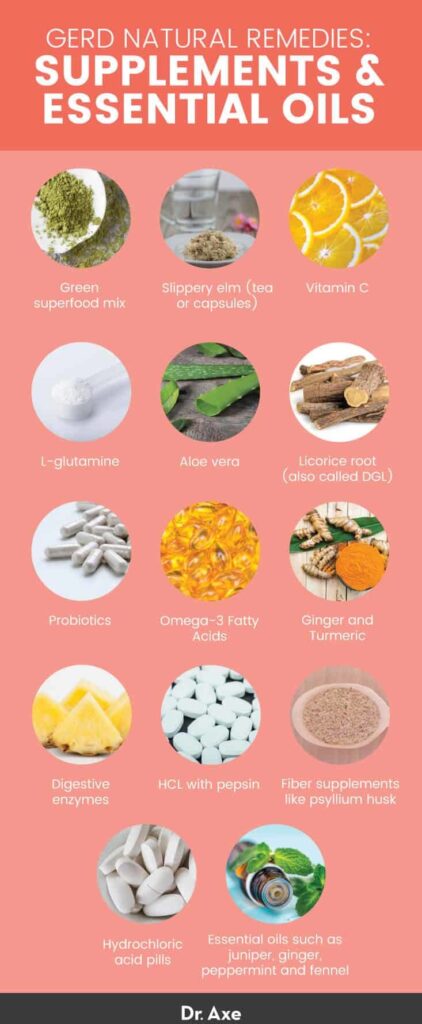
In addition to dietary changes, natural remedies can provide relief from gastroesophageal reflux symptoms. Some herbs and plants may help soothe the esophagus and reduce inflammation.
Herbal Remedies
- Malva: Its leaves and flowers can be used to make an infusion that provides beneficial effects against gastroesophageal reflux.
- Plantain: The juice of plantain can be taken as a natural remedy for alleviating symptoms.
- Aloe vera: The juice of aloe vera is excellent for reducing inflammation and soothing the esophagus.
Healthy Lifestyle Habits
Adequate sleep, regular physical activity, stress reduction, and limiting alcohol consumption are essential for managing gastroesophageal reflux. By adopting these habits, individuals can alleviate symptoms naturally and improve overall health.
Sleeping Habits
- Aim for 7-8 hours of sleep per night: Getting enough restful sleep can help regulate digestion and reduce acid reflux symptoms.
- Avoid sleeping before 2-3 hours after meals: Wait at least a few hours after eating to go to bed, as this allows the esophagus to clear out food particles.
Physical Activity
- Engage in regular physical activity, such as walking or jogging: Regular exercise can help improve digestion and reduce acid reflux symptoms.
- Aim for at least 10,000 steps per day: Walking regularly can also help maintain a healthy weight, which can alleviate acid reflux symptoms.
Stress Reduction
- Practice stress-reducing techniques, such as meditation or deep breathing: Stress can exacerbate acid reflux symptoms. Practicing relaxation techniques can help manage stress and alleviate symptoms.
- Limit exposure to stressors and prioritize relaxation: Identify sources of stress in your life and work on minimizing them.
Alcohol Consumption
- Limit alcohol intake to moderate levels (1-2 drinks per day): Excessive drinking can trigger acid reflux symptoms. Limiting alcohol consumption can help manage symptoms naturally.
- Avoid excessive drinking, which can exacerbate symptoms: If you experience acid reflux symptoms after drinking, reduce your alcohol intake or avoid it altogether.
Lifestyle Modifications
In addition to dietary changes and natural remedies, there are several lifestyle modifications that can help alleviate gastroesophageal reflux symptoms. These include:
- Elevating the head of your bed by 6-8 inches: This can help prevent stomach acid from flowing up into the esophagus while you sleep.
- Avoiding tight clothing: Tight clothing around the waist and chest can put pressure on the stomach, exacerbating acid reflux symptoms. Wear loose-fitting clothing to alleviate this pressure.
- Managing weight: Maintaining a healthy weight can reduce pressure on the stomach and alleviate acid reflux symptoms.
When to Seek Medical Attention
While dietary changes and natural remedies can provide relief from gastroesophageal reflux symptoms, there are times when it’s necessary to seek medical attention. If you experience any of the following symptoms, consult with your healthcare professional:
- Severe chest pain or difficulty breathing
- Regurgitation of blood or black tarry stools
- Abdominal pain that persists for more than a few hours
- Difficulty swallowing
- Hoarseness or coughing
- Sore throat
By understanding gastroesophageal reflux, making dietary changes, adopting healthy habits, and recognizing the importance of lifestyle modifications, individuals can manage their symptoms naturally and improve overall health.


