
Understanding Gastroenteritis: Causes, Symptoms, and Treatment Options
Gastroenteritis, commonly known as “stomach flu,” is a common condition that affects the stomach and intestines. It’s characterized by debilitating symptoms such as nausea, vomiting, diarrhea, abdominal cramps, and fever, especially in children.
What is Gastroenteritis?
Gastroenteritis is an inflammation of the gastrointestinal tract caused primarily by viral infections. The most common viruses that cause gastroenteritis are Rotavirus, Norovirus, Sapovirus, AstroVirus, and Adenovirus. These viruses can incubate for a few days after infection.
In addition to viral gastroenteritis, there is also a rare bacterial form of the condition caused by bacteria such as Listeria and Staphylococcus aureus, which can lead to food poisoning.
Causes of Gastroenteritis
Viral gastroenteritis is the most common cause of the condition. However, other viruses like Rotavirus, Norovirus, Sapovirus, AstroVirus, and Adenovirus can also cause it. Bacterial gastroenteritis, on the other hand, is caused by bacteria such as Listeria and Staphylococcus aureus.
Symptoms of Gastroenteritis
The symptoms of gastroenteritis can be debilitating and may include:
- Nausea and vomiting
- Diarrhea
- Abdominal cramps
- Fever
- Loss of appetite
In children, fever is more common than in adults.
Treatment Options for Gastroenteritis
Since gastroenteritis is usually a viral infection, there is no specific medication that can cure it. However, some medications can help alleviate symptoms such as diarrhea, cramps, and vomiting.
Here are some treatment options:
- Fluid Replacement Therapy: Drinking plenty of fluids, such as water, clear broth, or electrolyte-rich beverages like coconut water or sports drinks, can help replace lost fluids and prevent dehydration.
- Anti-Diarrheal Medications: Over-the-counter anti-diarrheal medications, such as loperamide (Imodium), can slow down bowel movements and reduce the frequency of diarrhea.
- Antipyretics: Antipyretic medications, such as acetaminophen (Tylenol) or ibuprofen (Advil), can help reduce fever in children.
Natural Remedies for Gastroenteritis
In addition to medication, there are some natural remedies that may help alleviate symptoms:
- Probiotics: Probiotic supplements or probiotic-rich foods like yogurt or kefir can help maintain a healthy gut microbiome and reduce inflammation.
- Herbal Teas: Herbal teas like ginger tea or peppermint tea can help soothe the stomach and reduce nausea.
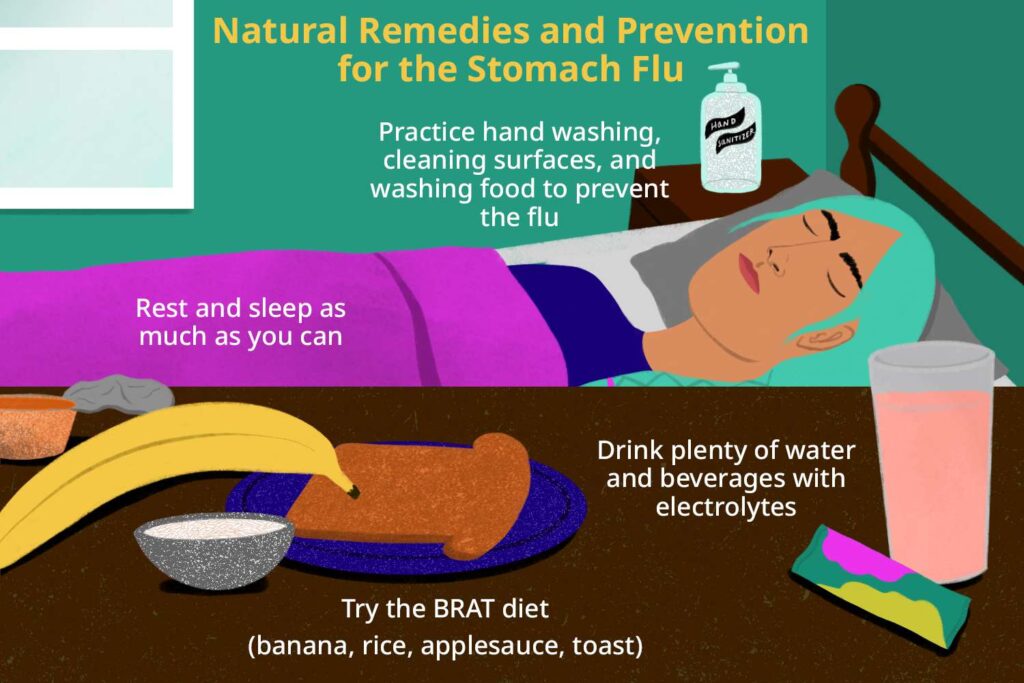
- Rest: Getting plenty of rest and avoiding strenuous activities can help the body recover from gastroenteritis.
Food and Drink Options
During gastroenteritis, it’s essential to stick to a bland diet that’s easy to digest. Some food options include:
- Bananas: Bananas are a good source of potassium, which can help replace lost electrolytes.
- Rice: Cooked white rice is a bland and easily digestible food option.
- Applesauce: Applesauce is a low-fiber food that’s easy to digest.
On the other hand, some foods to avoid include:
- Spicy Foods: Spicy foods can irritate the stomach and make symptoms worse.
- Fatty Foods: Fatty foods can slow down digestion and worsen symptoms.
- High-Fiber Foods: High-fiber foods like beans or cabbage can be difficult to digest during gastroenteritis.
Vaccination for Gastroenteritis
Gastroenteritis is a common cause of food poisoning in children. Vaccination is the most effective way to prevent gastroenteritis in children. There are two vaccines available:
- Rotavirus Vaccine: This vaccine protects against Rotavirus, which is the most common cause of gastroenteritis.
- Norovirus Vaccine: This vaccine protects against Norovirus, another common cause of gastroenteritis.
Conclusion
Gastroenteritis is a common condition that can be caused by viral or bacterial infections. While there is no specific medication that can cure it, some medications and natural remedies can help alleviate symptoms. It’s essential to stick to a bland diet, get plenty of rest, and avoid strenuous activities during gastroenteritis. Vaccination is the most effective way to prevent gastroenteritis in children.
Frequently Asked Questions
- Q: What are the causes of gastroenteritis?
A: The main cause of gastroenteritis is viral infections such as Rotavirus, Norovirus, Sapovirus, AstroVirus, and Adenovirus. - Q: How long does it take to recover from gastroenteritis?
A: Recovery time varies depending on the severity of symptoms and individual factors. Most people recover within 1-3 days with rest and hydration. - Q: Can I treat gastroenteritis at home?
A: Yes, most cases can be treated at home with medication, fluid replacement therapy, and rest. However, if symptoms worsen or persist, seek medical attention.
FAQs
- What are the common symptoms of gastroenteritis?
Nausea, vomiting, diarrhea, abdominal cramps, and fever.
2. How is gastroenteritis usually diagnosed?
Gastroenteritis can be diagnosed by physical examination and laboratory tests such as stool samples or blood tests.
3. Can I prevent gastroenteritis from occurring?
Yes, vaccination with Rotavirus and Norovirus vaccines can help protect against gastroenteritis in children.
4. What is the treatment for bacterial gastroenteritis?
Antibiotics are prescribed to treat bacterial gastroenteritis caused by bacteria such as Listeria or Staphylococcus aureus.
5. How long does it take to recover from gastroenteritis?
Recovery time varies depending on the severity of symptoms and individual factors. Most people recover within 1-3 days with rest and hydration.
6. Can I treat gastroenteritis at home?
Yes, most cases can be treated at home with medication, fluid replacement therapy, and rest. However, if symptoms worsen or persist, seek medical attention.
7. What foods should I avoid during gastroenteritis?
Spicy foods, fatty foods, high-fiber foods like beans or cabbage, and raw vegetables should be avoided during gastroenteritis.
8. Can vaccination prevent gastroenteritis in adults?
Vaccination is not recommended for adults as there are no licensed vaccines available for adult populations.
Disclaimer
The information provided above is for educational purposes only and should not be considered medical advice. Consult a healthcare professional for personalized advice on treating gastroenteritis.


