
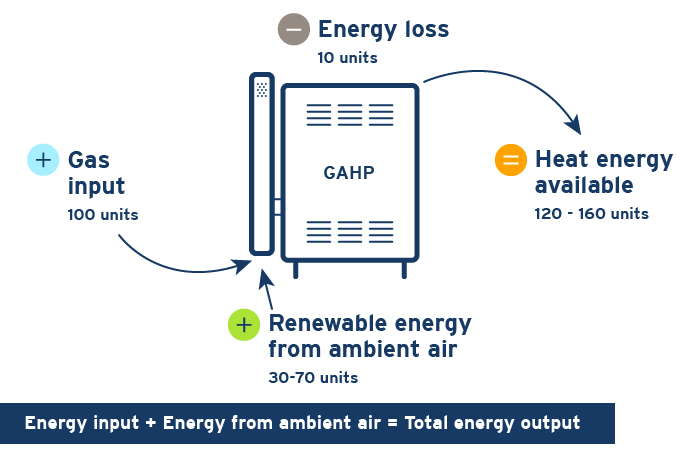
As the world shifts towards sustainable energy solutions, gas heat pumps have emerged as a viable alternative to traditional heating systems. In this article, we will delve into the benefits and drawbacks of gas heat pumps, exploring their advantages over electric heat pumps and how they can be utilized in various settings.
What is a Gas Heat Pump?
Gas heat pumps are available in two primary types: ‘a compression’ or ‘ad absorption’. The first type utilizes a compressor to generate energy from a gas-powered motor (methane or gpl), whereas the second type employs a completely different technology based on absorption cycles and refrigeration. It is essential to note that both types have their unique characteristics, advantages, and disadvantages.
Benefits of Gas Heat Pumps
Compared to electric heat pumps, gas heat pumps offer several benefits:
- Increased Stability: Gas heat pumps provide more stable performance during cold weather conditions, as the heat generated by the gas-powered motor ensures consistent heating output.
- Higher Efficiency: When exposed to temperatures below -20°C, gas heat pumps can maintain an efficiency comparable to that of a condensation boiler.
However, there is a trade-off: gas heat pumps are more expensive upfront. Additionally, they are not suitable for all environments, as some areas lack sufficient natural gas supply or have limited access to the necessary infrastructure.
Reversible Gas Heat Pumps
One significant advantage of gas heat pumps is their ability to operate in both heating and cooling modes. This allows them to be used throughout the year, not just during the winter months. In fact, reversible gas heat pumps can provide both hot water and refrigerated air.
The use of gas heat pumps becomes increasingly appealing when energy resources are scarce or unreliable. In areas where natural gas is readily available, these systems can offer an efficient solution for heating and cooling demands. Moreover, their absence of moving parts reduces noise pollution and extends the lifespan of the unit.
Comparison with Traditional Heating Systems
To better understand the benefits of gas heat pumps, let’s compare them to traditional heating systems like condensation boilers:
- Efficiency: Gas heat pumps can achieve higher efficiency levels than condensation boilers, especially in cold weather conditions.
- Cost: While gas heat pumps are more expensive upfront, they offer lower operating costs over time.
Applications of Gas Heat Pumps
Gas heat pumps have various applications across different sectors:
- Residential: Gas heat pumps can provide efficient heating and cooling solutions for homes, especially those located in areas with limited access to natural gas.
- Commercial: These systems are suitable for large buildings, such as offices, schools, and hospitals, where a reliable and energy-efficient heating solution is crucial.
- Industrial: Gas heat pumps can be used in industrial settings, like manufacturing facilities, where a consistent temperature is necessary for production processes.
Circuit Components of a Gas Heat Pump
To comprehend how gas heat pumps work, it’s essential to understand their circuit components:
- Generator
- Absorber
- Condenser
- Restrictor
- Evaporator
Each component plays a vital role in the absorption cycle that enables gas heat pumps to transfer heat energy from one location to another.
Environmental Benefits and Incentives
As concern for environmental sustainability grows, governments offer incentives to encourage the adoption of renewable energy sources. Gas heat pumps qualify for these benefits:
- Incentive for Substituting Existing Systems: Governments offer financial incentives to replace old heating systems with new ones that incorporate gas heat pumps.
- Tax Benefits: Homeowners and businesses can claim tax deductions for installing gas heat pumps, which helps reduce the upfront cost.
Conclusion
Gas heat pumps have emerged as a viable alternative to traditional heating systems. Their ability to provide consistent performance during cold weather conditions, combined with their high efficiency levels, makes them an attractive option for those seeking a reliable heating solution. With the ever-growing focus on sustainability and environmental responsibility, gas heat pumps are likely to play an increasingly important role in the transition towards a greener future.
Frequently Asked Questions
- What is the primary difference between ‘a compression’ and ‘ad absorption’ types of gas heat pumps?
- How do reversible gas heat pumps work?
- What are the main advantages of gas heat pumps over traditional heating systems?
- In what settings can gas heat pumps be used effectively?
- What is the typical lifespan of a gas heat pump, and how does it compare to other types of heating systems?
Gas Heat Pump vs. Electric Heat Pumps
Electric heat pumps are commonly used as a substitute for traditional heating systems in homes and businesses. However, they have their own set of limitations:
- Temperature Limitation: Electric heat pumps struggle to provide consistent performance during extremely cold weather conditions.
- Energy Consumption: While electric heat pumps can operate efficiently at moderate temperatures, they tend to consume more energy when exposed to lower temperatures.
In contrast, gas heat pumps offer a more stable and efficient solution for heating demands, especially in regions with limited access to natural gas or where energy resources are scarce. By understanding the benefits of gas heat pumps, individuals and businesses can make informed decisions about their heating solutions, ultimately contributing to a more sustainable future.
Heat Pump Systems vs. Traditional Heating Systems
When evaluating heating options, it’s essential to consider the pros and cons of both traditional heating systems and heat pump systems. Here are some key differences:
- Temperature Control: Heat pump systems can provide precise temperature control, making them ideal for applications requiring high accuracy.
- Energy Efficiency: Both gas heat pumps and electric heat pumps offer energy-efficient solutions; however, the efficiency of a system depends on various factors such as location, usage patterns, and available resources.
Types of Heat Pumps
Heat pumps come in various types, each designed to address specific heating needs:
- Air-Sourced Heat Pumps: These systems use air as the refrigerant to transfer heat energy.
- Ground-Sourced Heat Pumps: Ground-sourced heat pumps utilize the earth’s thermal energy to provide efficient heating and cooling solutions.
- Hybrid Heat Pumps: Hybrid heat pumps combine different types of heat sources, such as natural gas and solar power, to offer a comprehensive solution for various applications.
Gas Heat Pump Installation
Installing a gas heat pump requires careful planning and execution:
- Site Selection: The chosen location should have suitable infrastructure, including access to natural gas lines.
- System Design: The system design must be tailored to meet specific heating needs and ensure optimal performance.
- Installation Team: A skilled installation team is required to install the heat pump system safely and efficiently.
Gas Heat Pump Maintenance
Regular maintenance plays a crucial role in ensuring the longevity of a gas heat pump:
- Filter Cleaning: Regular filter cleaning helps maintain airflow efficiency.
- Component Inspection: Periodic inspections of components, such as fans and compressors, ensure proper function.
- System Tuning: System tuning can optimize performance by fine-tuning system settings.
By understanding the benefits of gas heat pumps, including their ability to provide consistent performance during cold weather conditions, combined with their high efficiency levels, individuals and businesses can make informed decisions about their heating solutions.


