
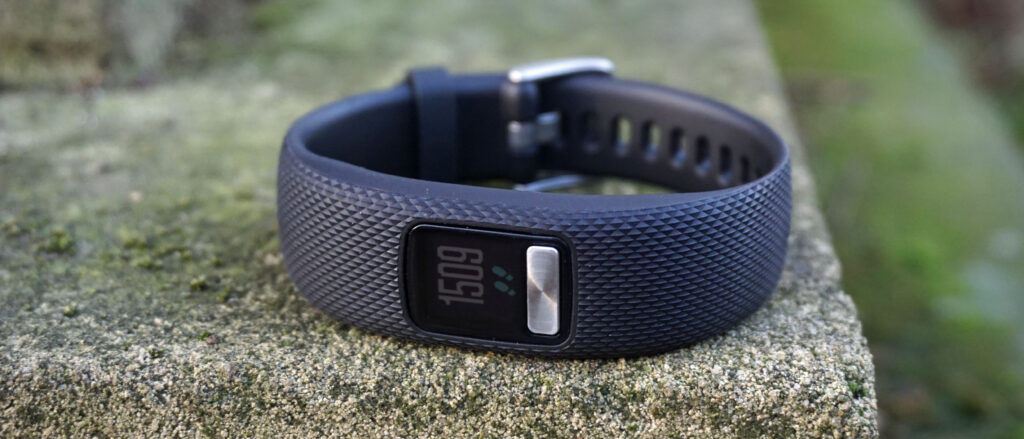
In the crowded market of activity trackers, Garmin has introduced a new player to the game with its Vivofit device. Pitted against established competitors like Fitbit Flex and Jawbone Up, this review aims to delve into the features, pros, and cons of the Garmin Vivofit.
The Purpose of Activity Trackers
For those unfamiliar with activity trackers, their primary functions include tracking physical activities, monitoring sleep quality, calorie intake, and providing motivational alerts to adopt a healthier lifestyle. These devices have become increasingly popular in recent years due to their ability to provide users with valuable insights into their daily habits and behaviors.
Garmin Vivofit: A Closer Look
As an existing user of a Fitbit Flex for over two months, I’ve observed its limitations in terms of battery life. The included batteries guarantee 12 months of uninterrupted functionality, which is a significant advantage over other devices. Additionally, both the leather strap and watch have adjustable sizes to cater to different wrist circumferences.
One notable aspect of Garmin Vivofit is its sleek design. The device has a minimalist look that appeals to those who prefer a more understated approach to fitness tracking. The user-friendly interface makes it easy to navigate and understand the various features offered by the device.
Similarities and Differences
Both Garmin Vivofit and Fitbit Flex come with two interchangeable straps in various colors, ensuring a comfortable fit for users of all ages. However, the display on Garmin Vivofit provides more detailed information, including date, steps taken, distance traveled, and calories burned. This feature is also available on the Fitbit Flex through its accompanying app.
Another key difference between the two devices is their compatibility with smartphones. Both are compatible with both iOS and Android devices, but Garmin Vivofit requires a separate application for syncing data from the device. The Garmin Connect app allows users to track their progress, set goals, and share achievements on social media.
Additional Features
One notable feature of Garmin Vivofit is its compatibility with the ANT+ heart rate monitor, allowing users to track their cardiac activity in real-time. Although this function may be redundant for casual users, joggers or runners might find it beneficial. In contrast, I use a Garmin Forerunner 320 with an ANT+ strap for my own running activities.
Another feature that sets Garmin Vivofit apart from its competitors is the integration of Bluetooth technology. This allows users to track their workouts and sync data seamlessly with their smartphones. The device also features a waterproof design, ensuring that it can withstand exposure to water and sweat during physical activity.
Cost and Availability
Garmin Vivofit is currently available on Amazon at $119 for the black or blue models. Fitbit Flex, on the other hand, retails at $88. It’s worth noting that there’s a new Fitbit Charge model available in Italy, priced lower than both devices.
While the cost of Garmin Vivofit may be higher than its competitors, the device offers more features and functionality, making it a worthwhile investment for those who want a comprehensive fitness tracking experience.
Comparison with Other Devices
If you’re considering purchasing an activity tracker, it’s essential to weigh the pros and cons of each device. Some alternatives include Polar Loop, Sony SmartBand, Samsung Gear Fit, and Jawbone UP24. Be sure to read our reviews to make an informed decision.
- Polar Loop: This device offers advanced heart rate monitoring and a sleek design. However, it lacks GPS functionality, which may be a drawback for users who want to track their outdoor activities.
- Sony SmartBand: This device features a waterproof design and integration with Sony’s Android-based smartphones. However, its user interface can be confusing, and it lacks advanced fitness tracking features.
- Samsung Gear Fit: This device offers GPS functionality and integration with Samsung’s Android-based smartphones. However, its user interface can be cluttered, and it lacks advanced heart rate monitoring features.
- Jawbone UP24: This device features a sleek design and integration with Jawbone’s iOS-based mobile apps. However, its battery life is limited, and it lacks GPS functionality.
Conclusion
While Garmin Vivofit offers more features than its competitors, its high price point may deter some users. The limited GPS functionality is another drawback. However, the device’s battery life and display make it a viable option for those seeking an activity tracker with added features.
In conclusion, Garmin Vivofit is a comprehensive fitness tracking device that offers advanced features, a sleek design, and improved user interface. While its high price point may be a deterrent for some users, the device’s benefits make it a worthwhile investment for those who want a premium fitness tracking experience.
Frequently Asked Questions (FAQs)
- What is the difference between Garmin Vivofit and Fitbit Flex?
Garmin Vivofit offers more detailed information on its display, including date, steps taken, distance traveled, and calories burned. - Is Garmin Vivofit compatible with other devices?
Yes, it is compatible with ANT+ heart rate monitors and can be paired with smartphones using the Garmin Connect app. - How long does the battery last in Garmin Vivofit?
The included batteries guarantee 12 months of uninterrupted functionality. - Can I use Garmin Vivofit for GPS tracking?
Unfortunately, it lacks a built-in GPS chip, which may limit its usefulness for certain users. - Is Garmin Vivofit compatible with both iOS and Android devices?
Yes, it is compatible with both platforms using the Garmin Connect app. - How much does Garmin Vivofit cost?
Garmin Vivofit is currently available on Amazon at $119 for the black or blue models. - Are there any alternative activity trackers that I should consider?
Some alternatives include Polar Loop, Sony SmartBand, Samsung Gear Fit, and Jawbone UP24. Be sure to read our reviews to make an informed decision. - Can I return or exchange Garmin Vivofit if I’m not satisfied with it?
We hope this review has provided you with a comprehensive understanding of the Garmin Vivofit activity tracker.


