
Introduction
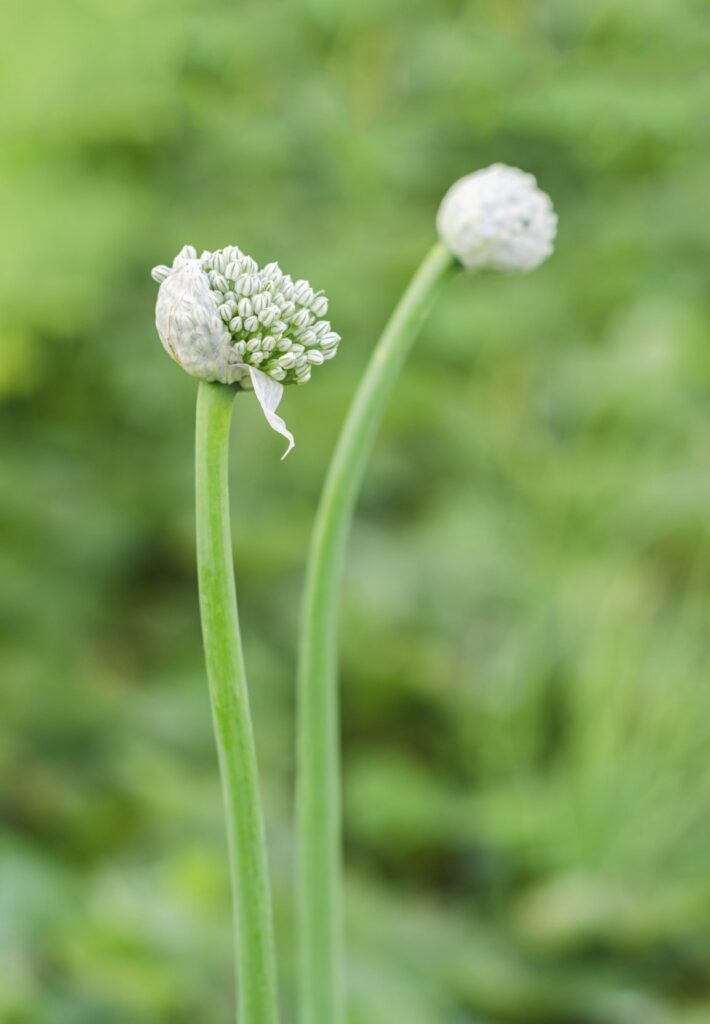
When we talk about the genus Allium, we’re referring to over 500 different species and varieties. These plants are all perennial herbaceous growths, with only a few being edible. But one group stands out for its beautiful flowers – ornamental onions! In this article, we’ll explore the world of Allium, from the most popular edible variety to the stunning ornamental options.
Ornamental onions have been a staple in gardens and landscapes for centuries, providing a pop of color and interest during the growing season. Their unique blooms come in a range of shapes and sizes, from small clusters to beautiful globe-shaped flowers. In this guide, we’ll delve into the world of Allium, covering everything from growing conditions to popular varieties.
The Allium Family
Allium is part of the Liliaceae family, which also includes garlic and other bulbous plants. With over 500 species, there’s a wide range of varieties to choose from. While only a few are edible, many can be grown for their striking flowers. Ornamental onions come in a variety of shapes and sizes, with some producing clusters of small flowers and others blooming with beautiful, globe-shaped blooms.
Some common characteristics of Allium species include:
- Bulbous growth habits
- Perennial herbaceous plants
- Most species produce showy, fragrant flowers on top of the plant
- Many varieties are drought-tolerant and low-maintenance
- Some species can be invasive in certain climates
Growing Ornamental Onions
One of the most popular ornamental onion varieties is Allium giganteum, also known as the giant onion. This plant produces stunning, globe-shaped flowers that can reach up to 80cm in height. Other varieties include Allium carinatum (commonly known as “garlic of the witches”), Allium lusitanicum (known as “montane garlic”), and Allium schoenoprasum (also known as chives).
When growing ornamental onions, it’s essential to choose a variety that suits your climate and growing conditions. Some species prefer shady, moist conditions, while others thrive in sunny, well-draining soil.
Choosing the Right Variety
With so many varieties of Allium species to choose from, selecting the right one can be overwhelming. Here are some factors to consider when choosing an ornamental onion variety:
- Climate: If you live in a hot and dry climate, choose varieties that are drought-tolerant.
- Soil type: If your soil is heavy clay or sandy, choose varieties that prefer well-draining conditions.
- Sunlight: Most Allium species prefer full sun to partial shade.
- Maintenance: Some varieties require more maintenance than others. Consider how much time you have to dedicate to caring for your ornamental onions.
Popular Ornamental Onion Varieties
Here are some beautiful varieties of ornamental onions to consider:
- Allium giganteum: This variety produces stunning, globe-shaped flowers that can reach up to 80cm in height.
- Allium carinatum: Commonly known as “garlic of the witches,” this variety produces clusters of small, white flowers.
- Allium lusitanicum: Also known as “montane garlic,” this variety produces beautiful, bell-shaped flowers on tall stalks.
- Allium schoenoprasum: Also known as chives, this variety produces delicate, onion-like flowers on top of the plant.
- Allium narcissiflorum: This variety produces beautiful, globe-shaped flowers with a unique, star-shaped pattern.
Planting Ornamental Onions
To plant an ornamental onion, start by creating a small hole in the ground. Place the bulb with its roots facing downwards and cover it with soil and compost. Water generously to help the bulb establish itself.
Here are some tips for planting ornamental onions:
- Make sure the soil is well-draining and fertile.
- Plant bulbs at the right depth – usually 2-3 times the size of the bulb.
- Space bulbs far enough apart to allow for good air circulation.
- Water regularly, but avoid overwatering.
Tips for Growing Ornamental Onions
Here are some tips for growing ornamental onions:
- Choose a variety that suits your climate and growing conditions.
- Plant bulbs in well-draining, fertile soil.
- Avoid compacted or sandy soils, which can prevent bulbs from growing properly.
- Fertilize regularly with a balanced fertilizer.
- Divide and replant every 3-4 years to maintain healthy growth.
Pest and Disease Management
Ornamental onions are generally low-maintenance plants that require minimal pest control. However, some common pests and diseases include:
- Aphids: Small, soft-bodied insects that feed on plant sap.
- Slugs and snails: Slimy, nocturnal pests that can damage plant leaves and flowers.
- Powdery mildew: A fungal disease that causes a white, powdery coating to form on plant leaves.
To manage these pests and diseases, consider using natural methods such as:
- Neem oil: A natural insecticide that can be used to control aphids and other pests.
- Copper-based fungicides: Effective against powdery mildew and other fungal diseases.
- Hand-picking: Regularly inspecting your plants for signs of pests or disease.
Popular Companion Plants
Ornamental onions are a great choice for companion planting, as they can complement a variety of flowers and vegetables. Here are some popular companion plants to consider:
- Roses: Many rose varieties benefit from the fragrance and natural pest control provided by ornamental onions.
- Lavender: This fragrant herb is often used in companion planting with ornamental onions.
- Marigolds: Bright, cheery flowers that can help repel nematodes and other pests.
Harvesting Ornamental Onions
Ornamental onions are typically grown for their beautiful blooms rather than edible bulbs. However, some varieties can be harvested for their flowers or foliage. Here are some tips for harvesting ornamental onions:
- Harvest flowers when they’re fully open.
- Cut back foliage after blooming to promote new growth and prevent damage from wind or sun.
- Divide and replant every 3-4 years to maintain healthy growth.
Common Problems with Ornamental Onions
While ornamental onions are generally low-maintenance plants, some common problems can occur. Here are some potential issues to watch out for:
- Overcrowding: If bulbs are too close together, they may become crowded and difficult to care for.
- Poor soil quality: If the soil is too dense or lacking in nutrients, bulbs may not grow properly.
- Pests and diseases: As mentioned earlier, pests like aphids and slugs can damage plant leaves and flowers.
Conclusion
Ornamental onions are a beautiful addition to any garden, providing vibrant flowers and adding visual interest to your outdoor space. With so many varieties to choose from, you’re sure to find one that suits your style and growing conditions.
By following the tips outlined in this guide, you can create a stunning display of Allium species that will attract bees, butterflies, and other pollinators. Whether you’re looking for low-maintenance plants or showy blooms, ornamental onions are an excellent choice for any garden.


