
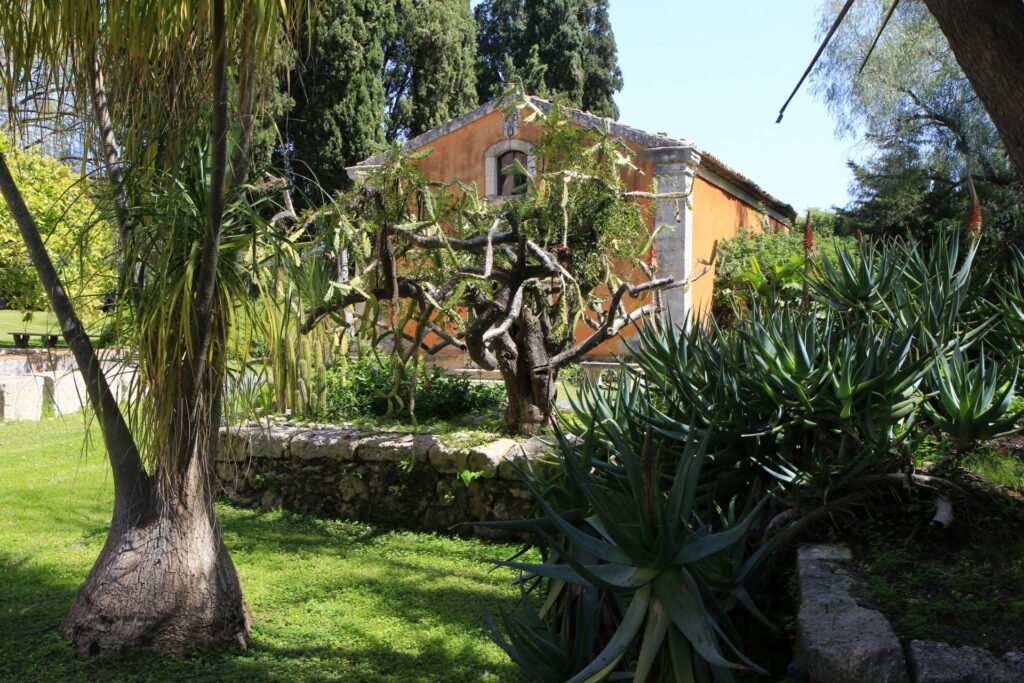
The Mediterranean gardens are facing a crisis, and it’s time to take action. Vandalism, lack of maintenance, and unsustainable practices have led to the degradation of these beautiful spaces. However, there is hope. Introducing GardMed, a network aimed at making these gardens sustainable and lovable again.
What is GardMed?
GardMed is a project born in 2009 in response to a European Union initiative to develop cooperation between Europe and Mediterranean non-UE countries (ENPI). Initially, the project involved Greece, Portugal, Spain, Malta, Lebanon, Palestine, Jordan, and Italy. Although the project didn’t receive funding due to administrative issues, it has continued to evolve, focusing on creating a network of sustainable Mediterranean gardens.
Why are Mediterranean Gardens in Crisis?
Mediterranean gardens have been facing numerous challenges, including:
- Insustainable design that disregards local climate, culture, and socio-economic conditions
- High maintenance requirements for non-native species
- Lack of gardening expertise and cultural heritage in the region
- Economic struggles, leading to cementification and speculation
- Limited attention from policymakers and the public
These challenges have resulted in the degradation of Mediterranean gardens, threatening their very existence. It’s essential to address these issues and work towards creating a sustainable future for these beautiful spaces.
What International Measures Exist?
While there are international norms, laws, and programs aimed at protecting the environment (Kyoto Protocol, Landscape Convention, Carbon Footprint), these measures often fall short in everyday life. The Mediterranean region lacks a culture of widespread environmental protection and local regulations that can safeguard the gardens.
International organizations have established guidelines for sustainable gardening practices, such as the European Union’s Environmental Action Plan 2020-2030. However, these plans require effective implementation and enforcement to ensure their impact is felt across the region.
Creating a Support Network
GardMed aims to create a network of support and technical expertise for Mediterranean gardens. This involves:
- Fostering collaboration among gardeners, professionals, local authorities, and private property owners
- Identifying best practices and developing models for sustainable gardening
By bringing together experts and enthusiasts from different backgrounds, GardMed can share knowledge, resources, and experiences to create a more cohesive support network.
Collaboration with Malta
The partnership with Malta has allowed GardMed to establish a set of criteria for selecting participating gardens. A study is underway to determine if it’s feasible to create a formal organization (GardMed) that can set guidelines for the network.
This collaboration has led to significant progress, including:
- 15 cultural events have been funded in Siracusa and Floriana gardens
- An international tour operator road show has promoted eco-tourism
These efforts demonstrate the potential of GardMed to make a positive impact on the Mediterranean region.
Current GardMed Members
There are currently 18 Mediterranean gardens, including public and private ones, with two botanical gardens in Catania and Malta universities. The network aims to expand to all regions bordering the Mediterranean Sea.
These members showcase the diversity of Mediterranean gardens, from ancient ruins to modern botanical gardens. By engaging with these diverse spaces, GardMed can learn from their experiences and adapt best practices for sustainable gardening.
Maintenance Costs and Funding
Maintaining Mediterranean gardens is costly, especially for public spaces. GardMed seeks to define sustainable management models that can attract both public and private resources, involving the community as much as possible.
This approach requires a multifaceted strategy, including:
- Public-private partnerships to share maintenance costs
- Community engagement through volunteer programs and educational workshops
- Grant applications to secure funding for specific projects
By addressing these challenges, GardMed aims to create sustainable management models that benefit both the gardens and their surrounding communities.
GardMed’s Vision
GardMed envisions a future where Mediterranean gardens are thriving, sustainable, and valued. By engaging the local community and leveraging international expertise, we can create a brighter future for these beautiful spaces.
This vision is built on three core principles:
- Sustainability: GardMed aims to create gardens that not only exist but also thrive sustainably.
- Community Engagement: The network seeks to engage local communities in the maintenance and care of Mediterranean gardens.
- International Collaboration: By working together with international experts, GardMed can share knowledge, resources, and best practices.
Frequently Asked Questions
- What inspired GardMed?
GardMed was born in response to the European Union’s ENPI initiative to develop cooperation between Europe and Mediterranean non-UE countries. - How many gardens are part of GardMed?
There are currently 18 Mediterranean gardens, including public and private ones, with plans to expand to all regions bordering the Mediterranean Sea. - What is the main challenge facing Mediterranean gardens?
The primary challenges include unsustainable design, high maintenance requirements, lack of gardening expertise, economic struggles, and limited attention from policymakers and the public. - How can citizens contribute to GardMed?
Citizens can get involved by participating in events, sharing knowledge, and volunteering their time to maintain the gardens. - What is GardMed’s long-term goal?
GardMed aims to create a network of sustainable Mediterranean gardens, engaging the local community and promoting eco-tourism, while providing educational programs and workshops.
By working together, we can save the Mediterranean gardens and create a more sustainable future for these beautiful spaces.


