
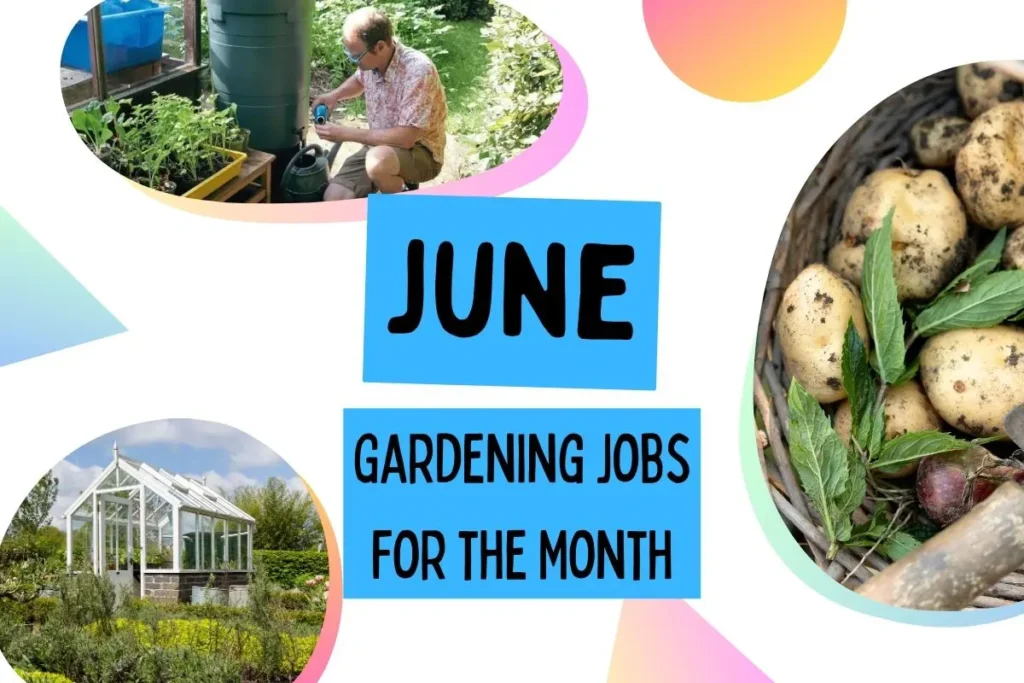
As the summer season approaches, our gardens come alive with vibrant colors and lush greenery. It’s the perfect time to plant new flowers, fertilize and treat against pests. With a little planning and preparation, you can create a thriving garden that will bloom all summer long.
In June, you can plant almost all flower essences, but roses are best planted early to avoid missing their blooming period. This month is ideal for planting azaleas, rhododendrons, geraniums, and succulents. When planting these acid-loving plants, be sure to prepare a large hole filled with peat moss or specific acidic soil.
Watering Your Garden in June
As the temperature rises, it’s essential to keep your garden well-watered. The soil should always be slightly moist, and this can be achieved by sprinkling water on the surface of compacted clay or bark chips that slow down evaporation. If you haven’t already done so last month, give your plants a good dose of fertilizer, interrading organic or granular fertilizers at the base of trees and shrubs.
It’s also important to note that overwatering can be detrimental to your garden. Make sure not to waterlog the soil, as this can lead to root rot and other problems. Instead, aim for a consistent moisture level, taking into account the specific needs of each plant in your garden.
Fertilizing Your Garden
Regularly providing your plants with a balanced fertilizer rich in microelements is crucial to keep them healthy and thriving. Ensure that these fertilizers are of biological origin, as synthetic fertilizers can be detrimental to the environment and harm beneficial insects.
There are several types of organic fertilizers you can use, including compost, manure tea, and fish emulsion. These natural options will provide your plants with the nutrients they need without harming the soil or the environment.
What to Plant in June
Now it’s time to plant flowers like begonias, cyclamen, daisies, gladiolus, lilies, peonies, ranunculuses, and many more. On balconies and in containers, you can also plant geraniums, impatiens, petunias, lobelias, and other annuals.
When choosing which plants to grow, consider factors like climate, soil type, and sunlight exposure. Make sure to choose plants that are compatible with your garden’s conditions, and don’t be afraid to experiment with new varieties and combinations.
Some popular flowers for June include:
- Begonias: These colorful flowers come in a range of shapes and sizes and can thrive in partial shade.
- Cyclamen: With heart-shaped leaves and delicate pink or white blooms, cyclamen are a popular choice for spring gardens.
- Daisies: Brighten up your garden with these cheerful flowers, which come in a variety of colors and bloom times.
- Gladiolus: Also known as glads, these tall, stately flowers can add a dramatic touch to any garden.
- Lilies: With their elegant white blooms and sweet fragrance, lilies are a popular choice for spring gardens.
Antiparasitic Treatments
However, June coincides with the peak activity of pests, such as insects or fungi. When you notice any signs or even preventively, take action to apply an antiparasitic treatment. It’s best to use biodegradable products over synthetic ones, which are more environmentally friendly and non-toxic to small animals or beneficial insects.
Some common pests that can affect your garden in June include:
- Aphids: These tiny insects feed on plant sap, causing curled leaves and stunted growth.
- Slugs and snails: These slimy pests can eat holes through leaves and flowers, leaving behind a trail of slime.
- Fungus gnats: These small flies lay eggs in moist soil, which hatch into larvae that feed on plant roots.
To prevent these pests from damaging your garden, use antiparasitic treatments like neem oil, diatomaceous earth, or soap solution. Sprinkle these products around the base of plants or mix them with water to create a spray.
Conclusion
In conclusion, June is the perfect time to plant new flowers, fertilize, and treat against pests in your garden. By following these tips, you’ll be able to enjoy a lush and vibrant garden all summer long.
With careful planning and attention to detail, you can create a thriving garden that will bloom all season long. Remember to choose plants that are compatible with your climate, soil type, and sunlight exposure, and take steps to prevent pests from damaging your garden.
Frequently Asked Questions
-
What are the best flowers to plant in June?
Best flowers to plant in June include begonias, cyclamen, daisies, gladiolus, lilies, peonies, ranunculuses, geraniums, impatiens, petunias, lobelias, and many more. -
How often should I fertilize my garden?
Regularly provide your plants with a balanced fertilizer rich in microelements to keep them healthy and thriving. -
What are the best antiparasitic treatments for June?
Use biodegradable products over synthetic ones to ensure an environmentally friendly and non-toxic treatment for pests. -
Can I plant succulents in June?
Yes, you can plant succulents in June, but be sure to prepare a large hole filled with peat moss or specific acidic soil. -
How do I prevent pests from damaging my garden?
Regularly inspect your plants and take action immediately if you notice any signs of pests. Use biodegradable antiparasitic treatments to keep your garden healthy and pest-free. -
What is the best way to water my garden in June?
Keep your garden well-watered by sprinkling water on the surface of compacted clay or bark chips that slow down evaporation. -
Can I plant roses in June?
Yes, but it’s best to plant them early to avoid missing their blooming period. -
How often should I check my plants for pests?
Regularly inspect your plants to catch any signs of pests and take action immediately to prevent damage. -
What is the difference between organic and synthetic fertilizers?
Organic fertilizers are made from natural materials like compost, manure tea, or fish emulsion, while synthetic fertilizers are manufactured using chemical processes. Organic fertilizers are more environmentally friendly and can provide better nutrient uptake for plants. -
How can I create a pest-free garden?
To create a pest-free garden, regularly inspect your plants for signs of pests, use biodegradable antiparasitic treatments, and maintain good soil health through composting and mulching.
By following these tips and answers to frequently asked questions, you’ll be able to create a lush and vibrant garden in June that will thrive all summer long.


