
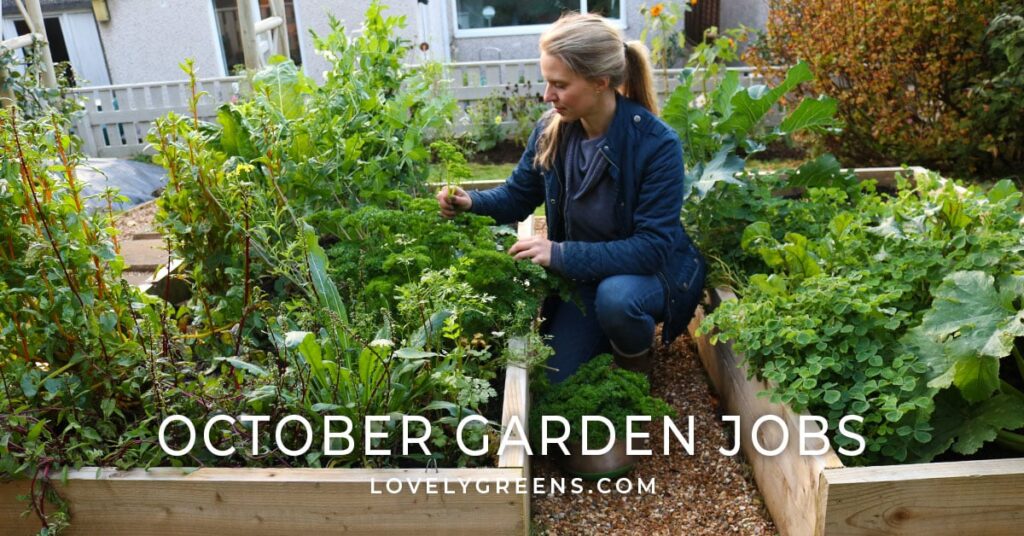
As the temperatures begin to drop in October, it’s time to get your garden ready for winter. There’s still plenty to do in the garden during this month, from protecting plants from frost to pruning back perennials.
In this article, we’ll explore everything you need to know about gardening in October, including how to care for your plants, prune back your garden, and prepare it for winter.
Protecting Plants from Frost
As the weather starts to cool down, it’s essential to protect your plants from frost. This can be done by bringing potted plants indoors or covering them with a layer of mulch or straw. Make sure to choose a location that provides good air circulation to prevent moisture from building up and causing fungal diseases.
It’s also important to note that some plants are more susceptible to frost damage than others. If you have sensitive plants, such as petunias or begonias, it’s best to bring them indoors or cover them with a frost blanket to protect them from the cold.
Pruning Back Perennials
Perennials like roses and hydrangeas need to be pruned back in October to help them recover from the summer heat and prepare for winter. Cut back any dead or damaged stems, and trim back the remaining foliage to about 3-4 inches from the ground. This will help prevent disease and encourage new growth in the spring.
It’s also a good idea to prune back perennials after they finish blooming. This will help them conserve energy and focus their resources on producing new growth for next year.
Preparing Bulbs for Winter
If you’re planning to plant bulbs like tulips, daffodils, or crocuses, now is the time to do it. Dig a hole twice as deep as the bulb’s height and add some compost or fertilizer. Plant the bulb at the correct depth and cover it with soil. Water well and keep the area moist during the winter months.
It’s also important to note that bulbs should be planted in the fall, about 6-8 weeks before the first frost. This will give them enough time to establish themselves before the winter weather sets in.
Maintaining Your Garden
October is also a great time to maintain your garden, including the lawn. Here are some tips:
- Leave the Lawn Longer: Leave your lawn slightly longer in October to help prevent weeds from germinating.
- Conduct One Final Fertilization: Apply one final fertilizer application before the ground freezes to give your plants a boost of nutrients.
- Aerate Your Lawn: Aerate your lawn once a month during October to improve drainage and reduce soil compaction.
Using Garden Waste
Don’t throw away garden waste! Many types of leaves, grass clippings, and weeds can be used to compost or mulch your garden. For example:
- Use dry leaves as mulch to retain moisture and suppress weeds.
- Shredded grass clippings can be added to compost piles to create nutrient-rich fertilizer.
- Weeds like thistles and dandelions can be dried and used as a natural pest repellent.
Ornamental Plants
October is also a great time to plant new ornamental plants, including:
- Flower Bulbs: Plant tulip bulbs in October for a beautiful display of spring flowers.
- Succulents: Succulents are perfect for indoor containers and can thrive in low-light conditions.
Orchards and Fruit Trees
For orchard owners and fruit tree enthusiasts, October is an excellent time to:
- Harvest Fruits: Many fruits like apples, pears, and grapes are ready to be harvested in October.
- Prune Fruit Trees: Prune your fruit trees to maintain their shape and promote healthy growth.
Lawn Care
Don’t forget about lawn care! Here are some tips for maintaining a healthy and beautiful lawn:
- Fertilize Your Lawn: Apply a balanced fertilizer to give your grass the nutrients it needs.
- Aerate Your Lawn: Aerate your lawn regularly to improve drainage and reduce soil compaction.
Conclusion
Gardening in October may seem daunting, but with these tips and tricks, you’ll be well on your way to creating a beautiful and thriving garden. Remember to protect your plants from frost, prune back perennials, prepare bulbs for winter, and maintain your lawn.
If you have any questions or need further guidance, feel free to ask!
FAQs
-
What is the best time to plant bulbs?
The best time to plant bulbs depends on the type of bulb and the climate in your area. Generally, spring-blooming bulbs should be planted in September or October for a display in early spring. -
How often should I water my plants?
Watering frequency will depend on weather conditions and soil type. As a general rule, avoid overwatering during periods of drought and underwatering during periods of rain. -
What is the best way to care for perennials?
Perennial care involves pruning back dead or damaged stems in the fall, applying mulch to retain moisture, and dividing plants every few years to promote healthy growth. -
How can I prevent disease in my garden?
Preventing disease in your garden involves removing weeds and debris, watering carefully, and maintaining good air circulation around plants. -
What are some natural pest control methods?
Some natural pest control methods include using neem oil, diatomaceous earth, and introducing beneficial insects to the garden. -
How can I aerate my lawn?
Aerating your lawn involves creating small holes in the soil to improve drainage and reduce soil compaction. This can be done by manually raking or using a power aerator. -
What are some organic fertilizers?
Some organic fertilizers include compost, manure, fish emulsion, and bone meal. -
How often should I prune my fruit trees?
Pruning frequency will depend on the type of tree and its growth habits. Generally, fruit trees require pruning annually to promote healthy growth and encourage fruiting.


