
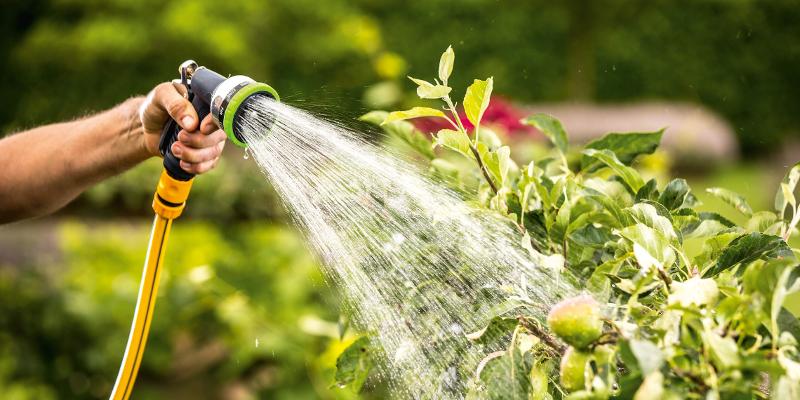
As a garden owner, ensuring the right amount of water for your plants is crucial for their growth and health. Irrigating your garden correctly can make all the difference between a lush, thriving garden and a parched, withered one. In this article, we’ll explore the ins and outs of garden irrigation, including the best practices, types of irrigation systems, and tips for optimizing your watering routine.
The Importance of Proper Garden Irrigation
Proper irrigation is essential for several reasons:
- Prevents water waste: Incorrect watering habits can lead to wasted water, which can increase your water bill and harm the environment.
- Promotes healthy plant growth: Adequate watering ensures that plants receive the necessary nutrients and water to grow strong and healthy.
- Reduces evaporation: By watering during the cooler parts of the day, you can reduce evaporation and ensure that more water is absorbed by the soil.
When to Water Your Garden
The frequency and amount of water your garden needs depend on several factors, including:
- Climate: Gardens in hot, dry climates require more frequent watering than those in cooler, more humid environments.
- Plant type: Different plants have varying watering requirements, so it’s essential to research the specific needs of each plant you’re growing.
- Soil type: Gardens with sandy soils may need more frequent watering than those with clay soils.
Understanding Soil Moisture
Soil moisture plays a crucial role in determining how much water your garden needs. Here are some signs that indicate soil is too wet or too dry:
- Wet soil: Look for puddles, standing water, or waterlogged areas.
- Dry soil: Check for cracks, shriveling plants, or signs of stress.
Types of Irrigation Systems
There are several types of irrigation systems available, including:
- Drip Irrigation: This system delivers water directly to the roots of plants through a network of tubes and emitters.
- Micro-Irrigation: Similar to drip irrigation, micro-irrigation uses small tubes and emitters to deliver water to specific areas of the garden.
- Sprinkler Systems: These systems use sprinklers or nozzles to distribute water evenly throughout the garden.
How to Choose the Right Irrigation System
When selecting an irrigation system, consider the following factors:
- Garden size: Larger gardens require more complex irrigation systems that can cover a wider area.
- Plant density: Gardens with dense plantings may require more frequent watering to prevent overwatering.
- Budget: Automatic irrigation systems can be more expensive upfront, but they often save you time and water in the long run.
Benefits of Using an Irrigation Timer
An irrigation timer allows you to schedule watering sessions at specific times, ensuring that your garden receives the right amount of water. Some benefits of using an irrigation timer include:
- Water efficiency: Timers help prevent overwatering, which can lead to wasted water and increased evaporation.
- Time savings: Automatic timers save you time and effort, allowing you to focus on other aspects of your garden.
Tips for Optimizing Your Watering Routine
To get the most out of your irrigation system, follow these tips:
- Water in the morning or evening: Avoid watering during the hottest part of the day to reduce evaporation.
- Use a rain sensor: A rain sensor can detect when it’s raining and automatically turn off the irrigation system.
- Monitor soil moisture: Regularly check the soil moisture levels to ensure that your plants are receiving the right amount of water.
Common Mistakes to Avoid
Some common mistakes to avoid when irrigating your garden include:
- Overwatering: This can lead to root rot, nutrient deficiencies, and other problems.
- Underwatering: This can cause stress to plants, leading to reduced growth and increased susceptibility to pests and diseases.
Conclusion
Optimizing your garden irrigation is crucial for promoting healthy plant growth, reducing water waste, and ensuring that your garden receives the right amount of water. By following these tips and choosing the right irrigation system for your needs, you can create a thriving and sustainable garden oasis.
Frequently Asked Questions (FAQs)
- What’s the best time to water my garden?
- The best time to water your garden depends on the climate, plant type, and soil type. Generally, it’s recommended to water in the morning or evening when the sun is not too intense.
- How often should I water my garden?
- The frequency of watering depends on several factors, including climate, plant type, and soil type. A general rule of thumb is to check the soil moisture levels regularly and adjust your watering schedule accordingly.
- What’s the difference between manual and automatic irrigation systems?
- Manual irrigation involves using a hose or sprinkler to water your garden manually, while automatic irrigation systems use timers and sensors to automate the watering process.
- Can I use a single irrigation timer for my entire garden?
- While it’s possible to use a single irrigation timer for your entire garden, it may not be the most effective solution. Consider using separate timers for different areas of your garden or adjusting the timer settings based on plant type and soil moisture levels.
- How do I prevent overwatering?
- To prevent overwatering, use a rain sensor to detect when it’s raining, adjust your watering schedule accordingly, and monitor soil moisture levels regularly.
By following these tips and choosing the right irrigation system for your needs, you can create a thriving and sustainable garden oasis that benefits both you and the environment.


