
Pruning garden shrubs is an essential task that requires attention to detail, patience, and the right techniques. Not only does it maintain their aesthetic appeal, but it also plays a crucial role in promoting healthy growth, preventing pests and diseases, and encouraging new blooms.
Why Prune Garden Shrubs?
Pruning garden shrubs is more than just a cosmetic exercise; it’s an essential part of maintaining their overall health. By removing dead or damaged wood, you prevent the spread of disease and pests, while also promoting air circulation and sunlight penetration. This, in turn, encourages new growth, fruiting, and flowering.
Types of Pruning
There are several types of pruning, each serving a specific purpose:
- Maintenance pruning: This type of pruning involves shaping and maintaining the overall shape of your garden shrubs.
- Alleviation pruning: Also known as rejuvenation pruning, this type of pruning is used to revitalize mature shrubs by removing dead or diseased branches.
- Renewal pruning: This type of pruning involves cutting back established shrubs to promote new growth and renewal.
Choosing the Right Tools
When it comes to pruning garden shrubs, the right tools make all the difference. Here are some essential items to have in your toolkit:
- Pruning shears: These are ideal for smaller branches and stems.
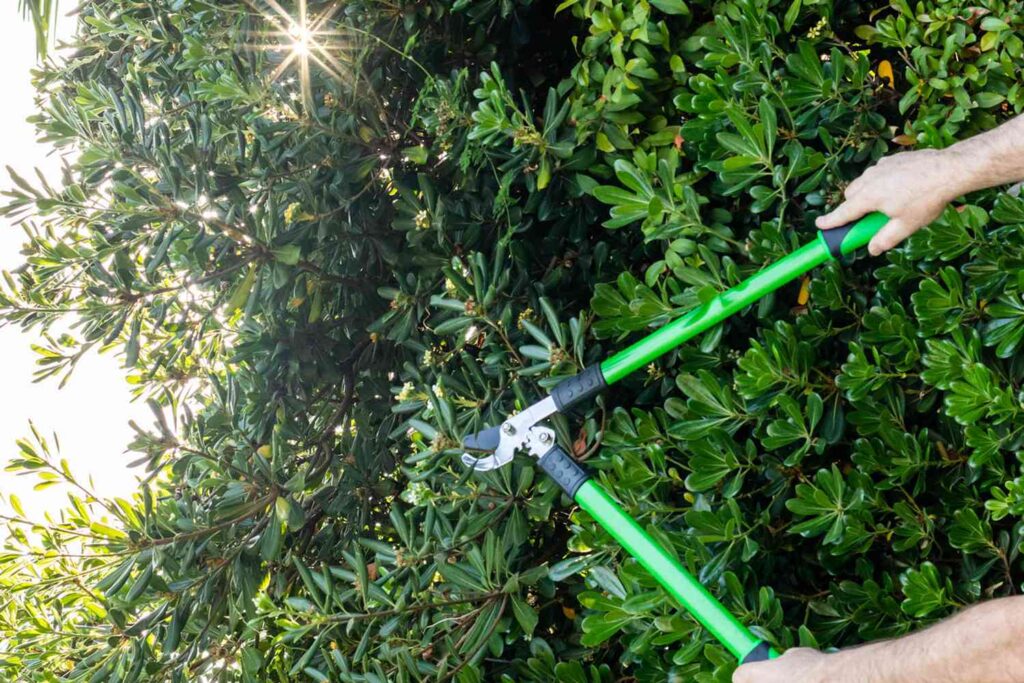
- Loppers: These are perfect for thicker branches and stems.
- Saw: A good saw is necessary for pruning larger shrubs.
Step-by-Step Pruning Guide
Here’s a step-by-step guide to help you prune your garden shrubs like a pro:
- Identify the problem areas: Inspect your garden shrubs and identify any dead, diseased, or damaged branches.
- Remove dead and diseased wood: Cut off any branches that are dead, diseased, or damaged.
- Shape and maintain: Use pruning shears to shape and maintain the overall shape of your garden shrubs.
- Promote new growth: Prune your garden shrubs during their dormant season to promote new growth and renewal.
Tips and Tricks
Here are some additional tips and tricks to keep in mind when pruning your garden shrubs:
- Make clean cuts: Always make clean, angled cuts when pruning.
- Don’t over-prune: Avoid over-pruning, as this can stress the plant and lead to disease or pests.
- Use protective gear: Wear gloves, safety glasses, and a face mask when pruning to protect yourself from thorns, debris, and other hazards.
Common Mistakes to Avoid
Here are some common mistakes to avoid when pruning garden shrubs:
- Over-pruning: Avoid over-pruning, as this can stress the plant and lead to disease or pests.
- Making sloppy cuts: Always make clean, angled cuts when pruning.
- Not disinfecting tools: Always disinfect your tools after pruning to prevent the spread of disease.
Frequently Asked Questions (FAQs)
Here are some frequently asked questions about pruning garden shrubs:
- Q: How often should I prune my garden shrubs?
A: The frequency of pruning depends on the type of plant, its growth rate, and its needs. - Q: What is the best time to prune my garden shrubs?
A: The best time to prune your garden shrubs varies depending on the type of plant, but generally falls during their dormant season. - Q: How do I prevent pests and diseases when pruning?
A: To prevent pests and diseases, always make clean cuts, disinfect your tools, and wear protective gear. - Q: Can I prune my garden shrubs myself or should I hire a professional?
A: If you’re comfortable with pruning and have experience with gardening, you can prune your own garden shrubs. However, if you’re unsure or uncomfortable, it’s always best to consult a professional gardener. - Q: What are some common signs of over-pruning?
A: Common signs of over-pruning include yellowing leaves, reduced growth, and increased susceptibility to disease.
Conclusion
Pruning garden shrubs is an essential part of maintaining their overall health and beauty. By understanding the types of pruning, choosing the right tools, and following a step-by-step guide, you can keep your garden shrubs looking their best all year round.


