
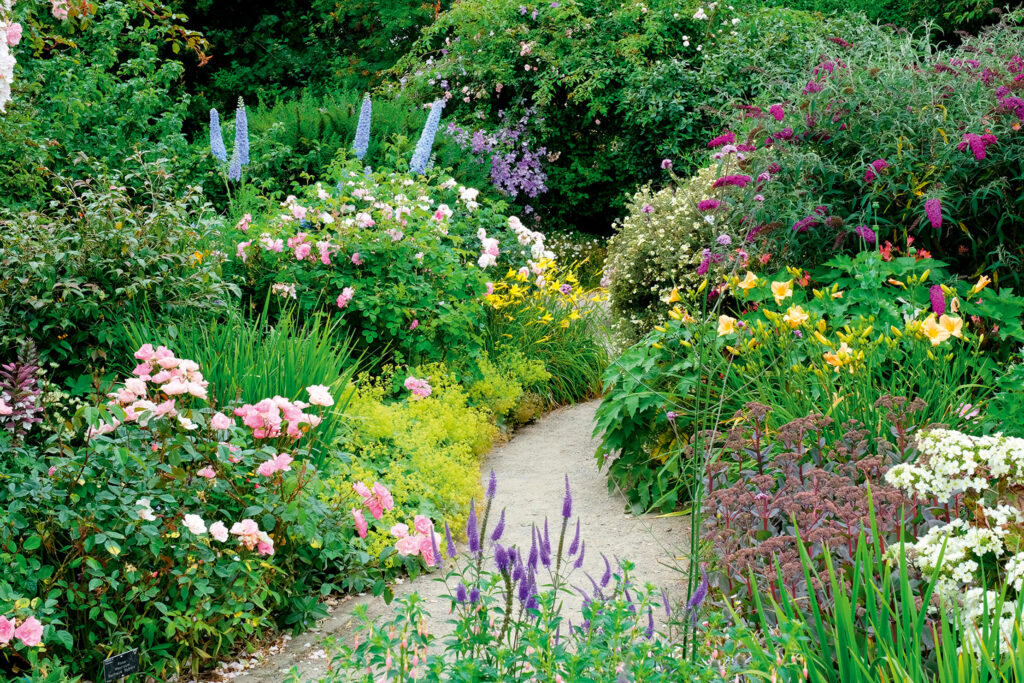
Garden shrubs can be evergreen or deciduous, depending on whether they retain their foliage throughout the winter season. With countless species and varieties to choose from, garden shrubs serve purposes beyond mere decoration. They provide a natural barrier against pests and diseases, offer protection against harsh weather conditions like wind and salt spray, and create habitats for beneficial insects like bees, butterflies, pollinators, and predators.
In this comprehensive guide, we will delve into the world of garden shrubs, exploring their types, benefits, and uses. Whether you’re a seasoned gardener or just starting to build your outdoor space, this guide will provide you with the knowledge and inspiration you need to create a beautiful and functional garden.
The Benefits of Garden Shrubs
Garden shrubs can have multiple functions beyond decoration:
- Defensive Function
Shrubs can form hedges, providing protection against pests and diseases. - Protective Function
They offer shielding against wind and salt spray from the sea. - Naturalistic Function
Additionally, garden shrubs can become habitats for beneficial insects like bees, butterflies, pollinators, and predators.
Evergreen Garden Shrubs
Some of the most common evergreen garden shrubs include:
- Boxwood (Buxus)
- Ligustrum (Ligustrum)
- Laurel (Laurus)
- Berberis (Berberis)
- Aucuba (Aucuba)
- Camellia (Camellia)
- Elaeagnus (Elaeagnus)
- Pittosporum (Pittosporum)
- Viburnum (Viburnum)
These evergreen shrubs feature leaves with varying shades of green and sometimes a yellowish tint. They are ideal for compact, stable hedges or windbreaks.
Deciduous Garden Shrubs
Deciduous garden shrubs, on the other hand, shed their leaves in the winter season. Some examples include:
- Japanese Miniature Cherry (Prunus serrulata)
- Viburnum (Viburnum) (some species)
- Amelanchier (Amelanchier)
- Cornus (Cornus)
These deciduous shrubs are prized for their decorative qualities, as they showcase the changing colors of the seasons.
Shrub Size and Scale
When choosing garden shrubs, consider the size and scale required to achieve your desired effect. There are various types of shrubs, including:
- Low-growing shrubs: Lavender, Rosemary, Honeysuckle, Santolina, and Thyme
- Medium-sized shrubs: These can be pruned to maintain a smaller size or left to grow naturally.
- Large shrubs: Sambuco, Lilac, Magnolia, and Willow.
Shrub Flowering Times
Most garden shrubs flower in the spring, with an incredible array of colors. Examples include:
- Forsythia (Forsythia)
- Azalea (Rhododendron spp.)
- Buddleja (Buddleja)
- Ginestra (Ginestra)
- Ortensie (Hortensia)
However, some shrubs also bloom in the autumn or winter seasons, like:
- Camellia sasanqua (Camellia sasanqua)
- Cotoneaster (Cotoneaster)
- Ilex (Ilex)
Shrub Maintenance and Care
To keep your garden shrubs healthy and thriving, follow these tips:
- Watering: Water your garden shrubs regularly, but avoid overwatering. The frequency of watering depends on the type of shrub, climate, and soil conditions.
- Pruning: Prune your garden shrubs regularly to maintain their shape and promote healthy growth.
- Fertilization: Fertilize your garden shrubs annually, using a balanced fertilizer that meets the specific needs of your chosen species.
- Pest control: Monitor your garden shrubs for pests like aphids, whiteflies, and spider mites. Use organic or chemical controls as needed to prevent infestations.
Conclusion
Garden shrubs can add beauty and functionality to your outdoor space. Whether you prefer evergreen or deciduous shrubs, there’s a wide range of options to suit every climate and style. By understanding the benefits, types, and uses of garden shrubs, you can create a stunning and functional garden that enhances your outdoor space.
Frequently Asked Questions
Q: What is the main purpose of garden shrubs?
A: Garden shrubs serve purposes beyond mere decoration, including defensive, protective, and naturalistic functions.
Q: How often should I prune my evergreen shrub?
A: Pruning frequency depends on the type of shrub and desired shape. Generally, it’s best to prune in late winter or early spring.
Q: Can I use garden shrubs as a hedge?
A: Yes, many garden shrubs can be used to create hedges for defensive or protective purposes.
Q: What are some low-growing shrubs that can thrive in poor soil?
A: Lavender, Rosemary, and Honeysuckle are examples of low-growing shrubs that can tolerate poor soil conditions.
Q: How often should I water my garden shrub?
A: Watering frequency depends on the type of shrub, climate, and soil conditions. It’s essential to research specific watering needs for your chosen shrub.
Q: Can I use garden shrubs as a natural boundary?
A: Yes, many garden shrubs can be used to create natural boundaries, providing protection against pests and diseases while adding beauty to your outdoor space.
Q: How long does it take for a garden shrub to grow?
A: Growth rate varies depending on the type of shrub, climate, and soil conditions. Generally, it takes 3-5 years for most garden shrubs to reach maturity.
Additional Tips
- Consider using native plants in your garden, as they are more adapted to local climate and soil conditions.
- Mulch around your garden shrubs to retain moisture and suppress weeds.
- Use garden shrubs in combination with other plants, like perennials and annuals, to create a diverse and dynamic landscape.
By incorporating these tips and techniques into your gardening practice, you can create a beautiful and functional garden that showcases the beauty of garden shrubs. Whether you’re a seasoned gardener or just starting out, this ultimate guide has provided you with the knowledge and inspiration you need to succeed.


