
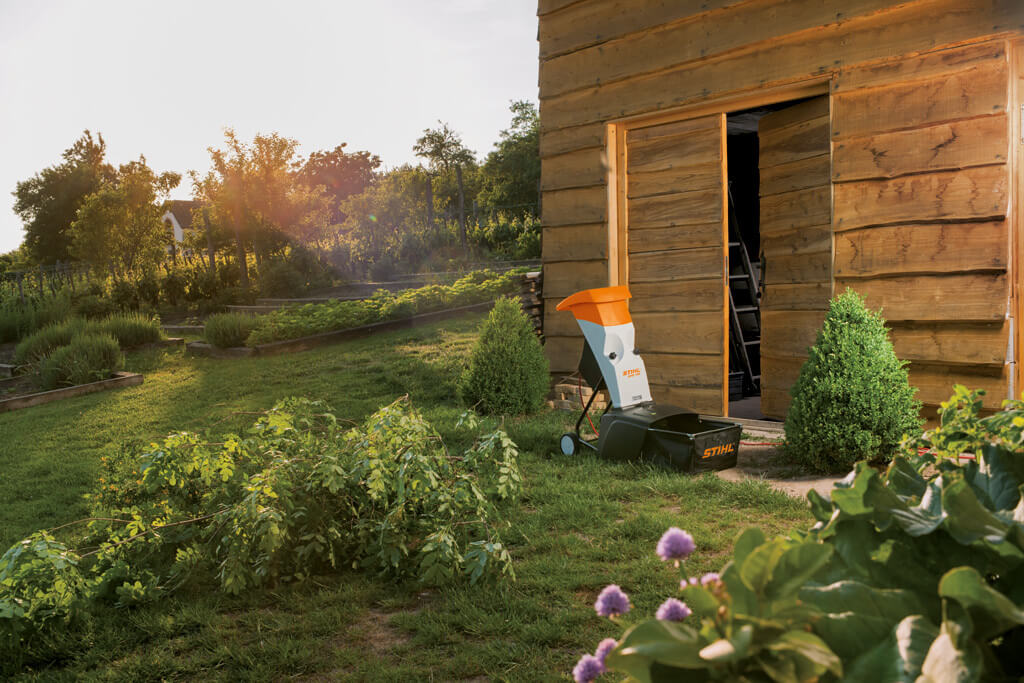
As we tend to our gardens, it’s easy to get caught up in the fun of pruning and trimming. However, there’s a more crucial aspect of garden maintenance that often gets overlooked – the process of cleaning up and disposing of plant waste. In this article, we’ll explore how a biotrituratore can be an invaluable ally in keeping your garden tidy and reducing waste.
Understanding the Problem
When you think about it, the real challenge lies not in pruning or trimming (although those are the fun parts!), but rather in dealing with the aftermath – specifically, disposing of plant waste. The numbers don’t lie: according to estimates, a single 1,000 sqm garden can generate around 125 cubic meters of debris. That’s an enormous amount! With a biotrituratore, you can reduce this volume by up to 75% and make it much easier to handle.
Legislative Requirements
As a responsible gardener, you’re aware that plant waste must be disposed of according to local regulations. This means either transporting it to a designated facility or transforming it into compost on-site. Either way, the process can be time-consuming and labor-intensive – unless, of course, you have access to a biotrituratore.
The Power of Biotrituration
By processing plant waste through a biotrituratore, you can create a valuable resource that not only reduces waste but also provides essential nutrients for your garden. The machine’s ability to finely chop and grind materials makes it an ideal tool for creating a compostable mulch.
So, how does this magic happen? When organic matter is processed by a biotrituratore, its size decreases significantly, allowing it to be evenly distributed on the soil surface. This results in several benefits:
- Reduced erosion: The compacted mulch layer helps prevent water from penetrating the soil, reducing runoff and soil compaction.
- Improved soil health: As the mulch breaks down, it releases essential nutrients like nitrogen, phosphorus, and potassium, promoting healthy microbial activity and plant growth.
- Increased water retention: By creating a thicker layer of organic matter on the surface, the biotrituratore helps retain moisture in the soil, reducing the need for frequent watering.
Tips for Optimal Biotrituration
To get the most out of your biotrituratore, follow these simple tips:
- Mix erba tagliata (cut grass) with rami e frasche (branches and leaves) before processing – this creates a nutrient-rich compost that promotes healthy plant growth.
- Ensure the material is dry before distributing it on the soil surface to prevent clogging and inhibit microbial growth.
The Benefits of Composting
By creating your own compost using materials processed by a biotrituratore, you’ll not only reduce waste but also:
- Save money: By making your own compost, you can avoid purchasing expensive fertilizers and maintain a healthier soil ecosystem.
- Promote sustainable gardening practices: Composting is an environmentally friendly alternative to synthetic fertilizers, reducing the carbon footprint of your garden.
Common FAQs
- What types of materials can be processed by a biotrituratore?
- Organic waste like leaves, branches, and grass clippings
- Small twigs and woody material
- How often should I process plant waste with my biotrituratore?
- Regularly, depending on the amount of waste generated by your garden
- What is the ideal carbon-to-nitrogen ratio for composting?
- Between 25:1 and 30:1, depending on the specific materials being composted
Maximizing Your Biotrituratore’s Potential
To ensure you’re getting the most out of your biotrituratore, consider these advanced tips:
- Add a moisture-rich component to your mulch pile – such as seaweed or coconut coir – to help regulate temperature and promote microbial activity.
- Incorporate microorganisms like beneficial bacteria and fungi into your composting process to boost its effectiveness.
Biotriturator Maintenance
To ensure your biotrituratore continues to operate at peak performance, follow these simple maintenance tips:
- Regularly inspect the machine for signs of wear and tear, such as clogged blades or worn-out bearings.
- Clean the biotrituratore regularly by removing debris and applying a thin layer of lubricant.
Conclusion
By embracing a biotriturator, you’ll not only reduce waste but also create a more sustainable and eco-friendly gardening practice. With its ability to finely chop and grind materials, this machine is an invaluable ally in the pursuit of garden maintenance.


