
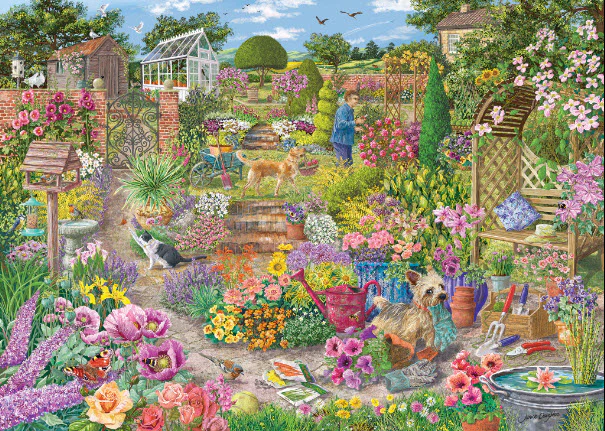
Are you tired of having a lackluster garden that fails to bloom throughout the year? Selecting the right plants for your garden can be a daunting task, but with the right guidance, you can create a stunning flower garden that’s full of life and color. In this article, we’ll explore the importance of soil preparation, nutrient selection, and plant care to help you achieve your dream garden.
Soil: The Foundation of Your Garden
Before choosing plants for your garden, it’s essential to examine the soil quality. Different types of soil require different levels of nutrients and care. For instance:
- Calcareous soils: characterized by a white or light-colored appearance, these soils are ideal for plants that thrive in well-draining conditions.
- Argillose soils: with a reddish-brown hue, these soils are rich in organic matter and require regular maintenance to prevent waterlogging.
- Organic soils: dark in color, these soils are teeming with nutrients and microorganisms that help support plant growth.
When evaluating your soil, check for:
- Drainage: ensure that water can flow freely through the soil without accumulating in puddles or creating waterlogged conditions.
- pH levels: most plants prefer a slightly acidic to neutral pH range (around 6.0-7.0).
- Contaminants: be aware of potential pollutants, such as heavy metals or pesticides, that may harm your plants.
Nutrient Selection: Fertilizers and Supplements
To create a thriving garden, you’ll need to provide your plants with essential nutrients. These can come from:
- Organic fertilizers: rich in natural compounds like compost, manure, or green sand.
- Inorganic fertilizers: synthetic materials that release nutrients as they break down.
Some key nutrients to consider include:
- Phosphorus: promotes root development and flower formation.
- Potassium: enhances overall plant health, resistance to disease, and water uptake.
- Nitrogen: stimulates leaf growth and green coloration.
Plant Selection: Choosing the Right Blooms for Your Garden
With the right soil and nutrients in place, it’s time to select plants that will thrive in your garden. Consider factors like:
- Sunlight: choose plants that match your garden’s sunlight exposure.
- Water requirements: select plants with similar watering needs to ensure efficient use of resources.
- Temperature tolerance: pick plants that can withstand the temperature fluctuations in your area.
Some popular plants for a year-round flower garden include:
- Orchids: delicate, exotic blooms that thrive in low-light conditions.
- Roses: classic flowers with diverse colors and fragrance profiles.
- Geraniums: vibrant, hardy plants with attractive foliage and showy blooms.
Seasonal Plant Selection
Different seasons offer unique opportunities to add color and interest to your garden. Consider the following seasonal plant selection:
- Spring: bulbs like tulips, daffodils, and hyacinths provide an explosion of colorful blooms.
- Summer: warm-season annuals like marigolds, zinnias, and sunflowers add a vibrant pop of color.
- Fall: cool-season annuals like pansies, violas, and asters bring a delicate touch to the garden.
- Winter: evergreen plants like holly, boxwood, and camellias provide year-round interest.
Maintenance: The Key to a Blooming Garden
To keep your garden thriving throughout the year:
- Prune regularly: promote healthy growth, encourage blooming, and maintain plant shape.
- Water wisely: avoid overwatering, which can lead to root rot and other issues.
- Monitor soil conditions: adjust nutrient levels and pH as needed to ensure optimal plant health.
Tips for a Year-Round Flower Garden
Here are some additional tips to help you achieve a year-round flower garden:
- Use containers: add color and interest to your garden with potted plants that can be moved indoors during the winter months.
- Incorporate succulents: these low-maintenance plants provide year-round interest and can thrive in indoor conditions.
- Create a layered look: combine different textures, heights, and colors to create a visually appealing garden.
- Add seasonal decorations: use seasonal items like pinecones, acorns, or berries to add color and interest to your garden.
Conclusion
Creating a year-round flower garden requires careful planning, attention to detail, and regular maintenance. By selecting the right plants for your climate and soil conditions, providing essential nutrients, and practicing good gardening habits, you can enjoy a stunning display of color and life in your garden all year round.
Frequently Asked Questions:
- What is the best way to determine my soil type?
- Test your soil pH using a DIY kit or send a sample to a lab for analysis.
- How often should I fertilize my plants?
- Follow the instructions on the fertilizer package, and adjust as needed based on plant response.
- What is the best way to prune my roses?
- Prune in late winter or early spring, removing dead or damaged branches and promoting new growth.
- How can I prevent overwatering in my garden?
- Monitor soil moisture by inserting a finger into the soil up to the knuckle; avoid watering if the soil feels damp.
- What are some popular plants for a year-round flower garden?
- Orchids, roses, geraniums, and succulents are great options for adding color and interest throughout the seasons.


