
Introduction
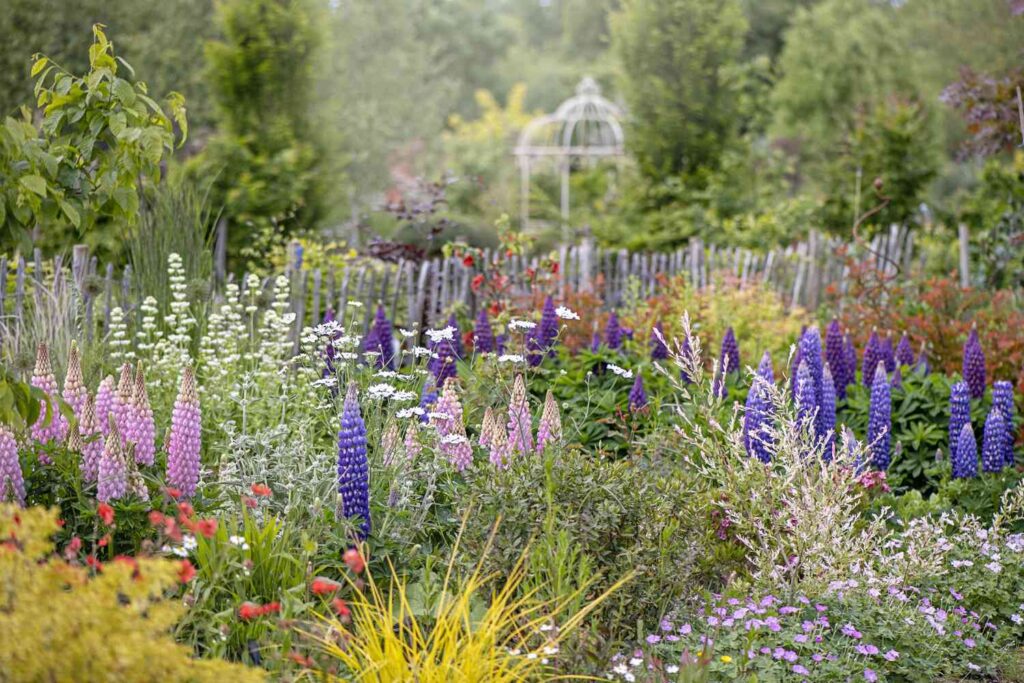
Who doesn’t dream of having a garden that blooms throughout the entire year? It’s a tantalizing prospect, isn’t it? Imagine strolling through your garden on a warm spring morning, surrounded by vibrant flowers and lush greenery. The thought alone can be enough to inspire us to create a haven of beauty in our own backyard. But what if we told you that having a continuously blooming garden every month of the year is not just a dream, but a reality? In this article, we’ll explore the secrets of creating a garden that blooms all year round.
Preliminary Advice: Mastering Bulb Management
To achieve continuous blooming in your garden, it’s essential to learn how to manage bulbs. Bulbs are the unsung heroes of gardening, allowing us to create stunning flowerbeds, borders, and terraces that bloom throughout the seasons. They’re perfect for growing in pots, planters, or small wooden containers filled with flowers. To get the most out of bulb management, we recommend reading our guide dedicated to “Bulb Planters.”
Understanding Bulb Types
Before we dive into creating a continuously blooming garden, it’s essential to understand the different types of bulbs and their characteristics. There are several categories of bulbs, including:
- Spring-flowering bulbs: These bulbs bloom in the spring and can be divided into early-blooming (February-May), mid-season (June-July), and late-blooming (August-September) varieties.
- Summer-flowering bulbs: These bulbs bloom in the summer and are perfect for creating a garden that blooms continuously from June to September.
- Autumn-flowering bulbs: These bulbs bloom in the autumn, often with vibrant colors and intricate patterns.
- Winter-flowering bulbs: These bulbs thrive during the cold winter months and can add a touch of elegance to your garden.
Choosing the Right Bulbs for Your Garden
When selecting bulbs for your continuously blooming garden, it’s essential to choose varieties that thrive in each season. For example, if you live in an area with mild winters, you may want to choose bulbs like Leucojum vernum (Campanellino) or Scilla nutans, which can bloom from late winter to early spring.
Planting Bulbs
When planting bulbs, it’s essential to follow the right techniques to ensure they thrive. Here are some tips:
- Choose a location with good drainage: Bulbs don’t like standing water, so make sure your garden has well-draining soil.
- Use a mix of annuals and perennials: Mixing annuals and perennials will create a continuously blooming effect in your garden.
- Plant bulbs at the right time: Plant bulbs at the right time for your climate. For example, in areas with hot summers, plant bulbs in late summer or early fall to avoid heat stress.
Winter Blooms: A Season of Resilience
Winter may seem like an unlikely time for blooming plants, but there are many that thrive during this season. One of the most striking examples is Leucojum vernum, also known as Campanellino. This bulb produces dense clumps of leaves and white bell-shaped flowers that add a touch of elegance to even the chilliest of winter days.
If you’re looking for more plants that bloom in winter, we recommend checking out our article “Plants that Bloom in Winter.” From snowdrops to hellebores, there’s no shortage of options for adding some color to your garden during the cold months.
Spring Blooms: A Season of Renewal
Spring is, without a doubt, one of the most magical seasons for gardening. As the soil thaws and the sun shines brightly, our gardens come alive with vibrant flowers and lush greenery. Anemone narcissiflora is one of the first flowers to appear in spring, its seven white petals adding a touch of elegance to grassy beds, partial shade areas, and even the most unexpected corners of your garden.
As spring progresses, San Bernardo Lily (Anthericum liliago) blooms with beautiful white flowers that appear in elegant clumps. And let’s not forget about the numerous bulbous flowering plants, scillas, and genziana that add a splash of color to our gardens during this season.
Summer Blooms: A Season of Abundance
Summer is often associated with long days and even longer blooming periods. To create a garden that blooms continuously from spring to summer, you can buy early-blooming species or late-blooming varieties. Those early-blooming plants tend to flower first, while those late-blooming ones flower at the same time as autumn arrives.
Genziana is an excellent example of this principle. Gentiana verna begins blooming in April, Gentiana Kochiana proposes itself in bloom in May, and Gentiana nivalis blooms in July. For more suggestions on how to create a summer garden that’s full of life, we recommend reading our article “Plants that Bloom in Summer.”
Autumn Blooms: A Season of Color
Autumn is often overlooked as a blooming season, but it’s actually a time of incredible beauty and diversity. Many plants bloom during this season, especially bulbs. Wild clematis is one example, its blooms appearing in late summer and continuing until early winter.
If you’re looking for more autumn flowers, we recommend checking out our article “Autumn Blooms” and “Fragrant Fruits.” From colorful asters to fragrant roses, there’s no shortage of options for adding some color and scent to your garden during the fall months.
Flowering Trees: A Season of Serenity
While small flowering plants are certainly a delight, it’s also possible to focus on larger trees to create a garden that blooms all year round. Some examples include Callicanthus, Corbezzolo, and Melograno. These trees thrive in summer and bloom in winter, adding a touch of elegance to your garden.
If you’re looking for more information on flowering trees, we recommend checking out our page “Flowering Plants for Garden.” From sorbus to geraniums, Japanese Maples to cotton plants, there’s no shortage of options for creating a serene and beautiful garden.
Tips for Creating a Continuously Blooming Garden
To create a garden that blooms all year round, follow these tips:
- Choose a mix of annuals and perennials: Mixing annuals and perennials will create a continuously blooming effect in your garden.
- Use a variety of bulb types: Incorporate different types of bulbs to ensure a continuous bloom throughout the seasons.
- Plant bulbs at the right time: Plant bulbs at the right time for your climate to avoid heat stress or cold damage.
Conclusion
Creating a garden that blooms all year round is a challenge, but it’s not impossible. By mastering bulb management, selecting plants that thrive in each season, and using a combination of annuals and perennials, you can create a haven of beauty in your own backyard. Whether you’re a seasoned gardener or just starting out, we hope this article has inspired you to explore the world of continuously blooming gardens.
Frequently Asked Questions
- What is the best way to start a continuously blooming garden?
The best way to start a continuously blooming garden is to learn how to manage bulbs and select plants that thrive in each season.
- How often should I water my bulbous flowering plants?
Bulbous flowering plants require moderate watering, especially during the active growing period. Be sure to check the soil moisture before watering your plants.
- What are some popular winter-blooming plants?
Some popular winter-blooming plants include Leucojum vernum (Campanellino), Snowdrops, and Hellebores.
- How can I create a summer garden that blooms continuously?
To create a summer garden that blooms continuously, you can buy early-blooming species or late-blooming varieties. Be sure to choose plants that thrive in the warmest months of the year.
- What are some popular autumn flowers?
Some popular autumn flowers include colorful asters, fragrant roses, and wild clematis.
- How often should I prune my flowering trees?
Flowering trees require regular pruning to maintain their shape and promote healthy growth. Prune your trees during the dormant season to avoid damaging new growth.
- What are some benefits of using bulbs in gardening?
Bulbs don’t have to be limited to spring-blooming flowers. They can be used in a variety of ways, including as ornamental plants or for cut flower arrangements.
- How can I ensure my continuously blooming garden doesn’t become too crowded?
To prevent overcrowding in your continuously blooming garden, consider using a mix of annuals and perennials, and plant bulbs at the right time to avoid heat stress or cold damage.


