
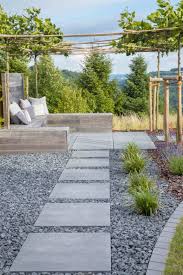
When it comes to choosing the perfect flooring for your garden, there are countless options available. From wood to stone, bricks, pebbles from a river, anti-slip coatings, cuboids of porphyry, transverse beams, and fake wood elements, the possibilities seem endless.
Understanding the Basics of Garden Flooring
For optimal results, it’s recommended to remove the grass in the area where the future flooring will be installed and fill it with compacted gravel before laying down the base. This procedure is necessary to make the floor more stable and even. By doing so, you can ensure a solid foundation for your chosen flooring material.
Types of Garden Flooring: A Comprehensive Guide
Before making a final decision, let’s explore some of the most popular types of garden flooring:
- Wood: Wood flooring is a classic choice for gardens. It’s available in various styles, from traditional to modern, and can be stained or painted to match your outdoor decor.
- Stone: Stone flooring is another popular option. It’s durable, low-maintenance, and can add a touch of elegance to your garden. Popular stone options include granite, marble, and slate.
- Bricks: Bricks are a versatile option that can be used for both walls and flooring. They’re affordable, easy to install, and come in a range of colors and patterns.
- Pebbles from a river: Pebbles are a great option for creating a natural-looking pathway or feature wall. They’re lightweight, easy to clean, and can be mixed with other materials like sand or gravel.
- Anti-slip coatings: Anti-slip coatings are a practical solution for areas that require extra traction, such as stairs or walkways. They’re easy to install and can be customized to fit your specific needs.
- Cuboids of porphyry: Porphyry cuboids are a unique option that offers both durability and style. They’re made from natural stone and can be arranged in various patterns to create a one-of-a-kind feature wall or pathway.
- Transverse beams: Transverse beams are a stylish option that can add a touch of elegance to your garden. They’re made from wood or other materials and can be stained or painted to match your outdoor decor.
- Fake wood elements: Fake wood elements are a budget-friendly solution that offers the look and feel of real wood without the high price tag. They’re easy to install and can be customized to fit your specific needs.
Creating a Stable Base: A Crucial Step
To ensure your garden flooring is stable and even, it’s essential to remove the grass in the area where the future flooring will be installed. This process involves filling the space with compacted gravel, creating a solid foundation for your chosen flooring material.
Large Surfaces and Elegant Results
For large surfaces or when wanting an elegant result, consider using porphyry cuboids. Porphyry cuboids are robust and allow for the creation of different geometries and colors. To learn more about installing porphyry cuboids, piece by piece, refer to our article “How to install stone flooring”.
Synthetic Materials: A Safer Alternative
In the past, using classic iron railway beams made of wood was recommended to achieve a natural result. However, these are now discouraged due to their carcinogenic and harmful effects on human health and the environment. Instead, there are synthetic materials that mimic wood, made from reinforced cement and colored with iron oxide. These solutions are much more stable and durable.
Garden Flooring Prices: A Comprehensive Breakdown
If installing porphyry flooring seems too laborious or if you want an effect similar to stone flooring without the hassle, there are other options available. Ceramic tiles are widely used and practical for use outdoors, and they come in various colors and sizes. The price of each tile is around 2.99 euros per piece from a thickness of 3.8 cm and dimensions of 40x40cm.
Covering an Outdoor Surface Area
To cover an outdoor surface area of 16 square meters, you would need 40 tiles, which would cost approximately 119 euros. This price point may seem steep, but it’s essential to consider the durability and style that these ceramic tiles offer.
Natural Stone Flooring: A More Expensive Option
Outdoor natural stone flooring is more expensive because the stones are levigated and worked to meet specific thicknesses and dimensions. Prices for outdoor stone or gravel flooring vary greatly depending on the processing and origin of the material. For example, a Japanese-style stepping stone made of uncertain stone with a size of 44×56 cm and a thickness of 4 cm costs around 15.29 euros.
Choosing the Right Material
When selecting a garden flooring material, it’s essential to consider your specific needs and budget. Here are some factors to keep in mind:
- Durability: Consider how well the material will withstand foot traffic and weather conditions.
- Style: Think about the aesthetic you want to achieve in your garden.
- Budget: Set a budget and stick to it.
Frequently Asked Questions
- What is the best type of flooring for my garden?
- How do I install porphyry cuboids?
- What are some alternative materials to wood flooring?
- Can ceramic tiles be used outdoors?
- How do I calculate the cost of covering an outdoor surface area with tiles?
- What is the difference between levigated and unlevigated stones?
- How do I choose the right size and thickness for my stepping stone?
- Are there any health risks associated with using certain types of flooring?


