
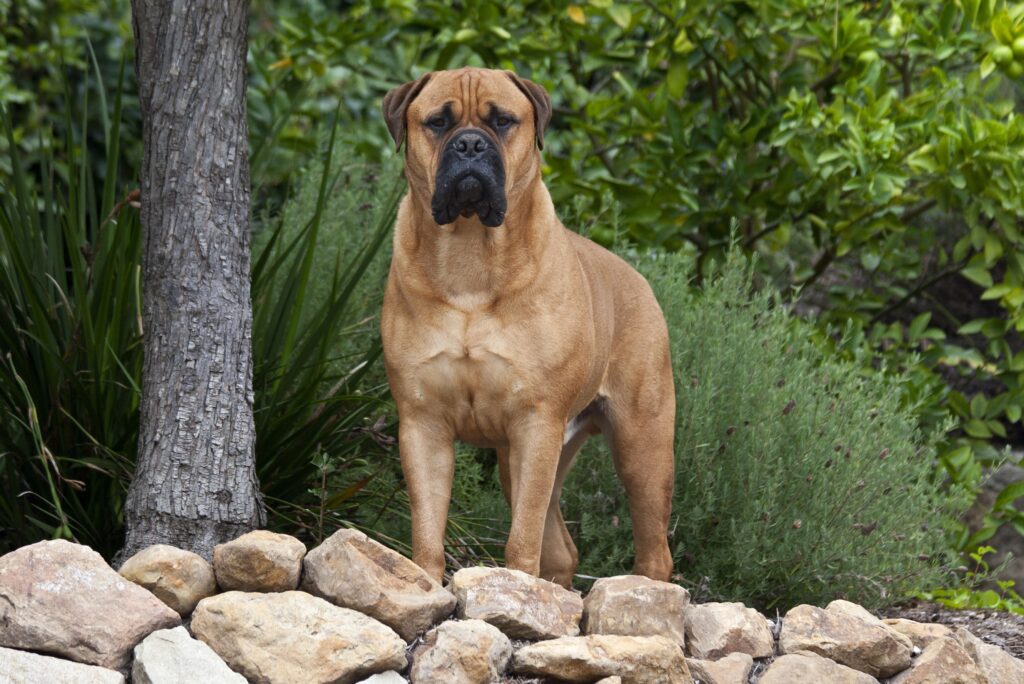
As a dog owner, you want to ensure your furry friend is happy and healthy. One way to do this is by creating a safe and enjoyable space for them in the garden. However, not all dogs are suited for life outdoors. In this article, we’ll explore the different types of breeds that thrive in gardens and provide tips on how to create a secure and welcoming environment.
Choosing the Right Breed
When it comes to choosing a breed that’s suitable for life in the garden, there are several factors to consider. Some dogs are naturally more energetic and require space to run around, while others are content with shorter walks and playtime. Breeds like Fox Terriers and Manchester Terriers, for example, love to explore and exercise outdoors.
The Benefits of Garden Life
Garden life can be incredibly beneficial for your dog’s physical and mental health. Being outdoors allows them to engage in natural behaviors like digging, chasing, and exploring, which can help reduce stress and boredom. Regular outdoor time also helps to maintain their physical fitness and strengthen the bond between you and your dog.
The Drawbacks of Garden Life
However, not all gardens are created equal. Some areas may be too small or enclosed, while others may pose hazards like toxic plants or steep slopes. It’s essential to consider these factors when creating a garden space for your dog.
Creating a Safe Space
To create a safe and welcoming space for your dog in the garden, there are several things you can do:
- Provide adequate fencing: A sturdy fence is crucial to prevent your dog from escaping or getting injured. Make sure it’s at least 6 feet tall and extends below ground level to prevent digging.
- Choose dog-friendly plants: Some plants can be toxic to dogs, so it’s essential to choose dog-friendly options like lavender, chamomile, and sunflowers.
- Supervise your dog: Always supervise your dog when they’re in the garden to ensure their safety and prevent any accidents.
The Best Breeds for Garden Life
While any breed can thrive in a garden with proper care and attention, some are naturally better suited than others. Here are some of the best breeds for garden life:
- Fox Terriers: These small dogs are energetic and love to explore outdoors.
- Manchester Terriers: Similar to Fox Terriers, Manchester Terriers are also energetic and enjoy playing in the garden.
- Boxers: Boxers are known for their high energy levels and love to engage in outdoor activities like running and playtime.
Additional Tips for Garden Life
In addition to choosing the right breed and creating a safe space, there are several other things you can do to ensure your dog’s happiness and health:
- Provide plenty of water: Make sure your dog always has access to fresh water, especially on hot days.
- Offer shade: Provide shade for your dog during peak sun hours to prevent overheating.
- Rotate toys and activities: Rotate your dog’s toys and activities regularly to keep them engaged and stimulated.
Common Mistakes to Avoid
There are several common mistakes to avoid when creating a garden space for your dog:
- Not providing enough exercise: Make sure your dog gets enough physical activity to prevent boredom and stress.
- Not supervising closely: Always supervise your dog when they’re in the garden to ensure their safety and prevent any accidents.
- Using toxic plants: Avoid using toxic plants like lilies, azaleas, or daffodils in your garden.
Conclusion
Creating a safe and enjoyable space for your dog in the garden can be incredibly rewarding. By choosing the right breed, providing adequate fencing, choosing dog-friendly plants, supervising your dog, and following additional tips and avoiding common mistakes, you can create a haven where your furry friend can thrive. Whether you’re a seasoned dog owner or just starting out, this guide will help you navigate the world of garden life with your canine companion.
Frequently Asked Questions
- Q: Can I leave my dog in the garden unsupervised?
A: No, it’s not recommended to leave your dog in the garden unsupervised. While they may be able to entertain themselves for short periods, they still require regular attention and care. - Q: What types of plants are safe for dogs?
A: Dog-friendly plants like lavender, chamomile, and sunflowers are great options for gardens with dogs. - Q: How often should I clean up after my dog in the garden?
A: Regular cleaning up is essential to prevent accidents and maintain a healthy environment. Aim to clean up at least once a week, depending on your dog’s habits.
By following these tips and choosing the right breed for your lifestyle, you can create a happy and healthy home for both you and your furry friend in the garden.


