
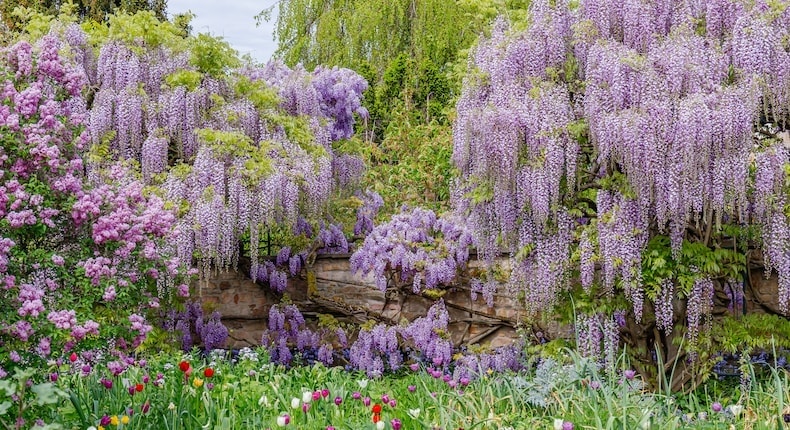
If you’re looking to add some visual interest and beauty to your garden, consider incorporating climbing plants into your design. Not only do they provide a natural screen or trellis for flowers and shrubs, but they also add an extra layer of complexity and depth to your outdoor space.
What Makes Climbing Plants Special?
Climbing plants are unique in that they can thrive in a variety of conditions, including extreme temperatures, frost, and heat. This makes them perfect for gardeners who want to create a beautiful and low-maintenance outdoor space. From flowering vines to evergreen climbers with striking foliage, there’s a wide range of options to choose from.
Foliage-Only Climbing Plants
If you’re looking for plants that don’t produce flowers, consider the following foliage-only climbing plants:
- English Ivy (Hedera helix): A versatile and easy-to-grow climber with heart-shaped leaves that can be trained to climb walls or trellises.
- Boston Ivy (Parthenocissus tricuspidata): A fast-growing climber with lobed, bright green leaves that turn brilliant shades of orange, red, and purple in the fall.
Flowering Climbing Plants
If you want to add some color to your garden, consider flowering climbing plants:
- Clematis: A popular choice for gardens, clematis produces showy, bell-shaped flowers in a range of colors, including pink, white, and red.
- Honeysuckle (Lonicera caprifolium): A fragrant climber with white or yellow flowers that are perfect for attracting bees and other pollinators.
Vines with Unique Foliage
If you want to add some visual interest to your garden with vines featuring unique foliage, consider:
- Wisteria (Wisteria sinensis): A deciduous vine with long, fragrant flowers in shades of purple, pink, or white.
- Passionflower (Passiflora incarnata): An evergreen vine with intricate, exotic-looking leaves and edible fruit.
Vines with Rosy Foliage
If you want to add some color to your garden with vines featuring rosy foliage, consider:
- Trumpet Vine (Campsis radicans): A vigorous climber with heart-shaped leaves that turn reddish-purple in the fall.
- Rosy Mapleleaf Vine (Acalypha wilkesiana): A tender vine with maple-like leaves that are a deep shade of pink.
How to Choose the Right Climbing Plant
With so many options available, choosing the right climbing plant for your garden can be overwhelming. Here are some tips to help you make the right choice:
- Consider the amount of sunlight and shade in your garden when selecting a climber.
- Think about the color palette you want to achieve in your garden and choose plants that complement it.
- Choose a climber that’s suitable for your climate and soil type.
Tips for Growing Climbing Plants
Here are some additional tips for growing climbing plants:
- Provide support: Make sure your climber has something to climb on, such as a trellis or wall. You can also use twine or clips to provide additional support.
- Prune regularly: Prune your climber regularly to maintain its shape, promote healthy growth, and encourage blooming.
- Fertilize regularly: Fertilize your climber regularly during the growing season to promote healthy growth and blooming.
- Mulch around the base: Mulching around the base of your climber can help retain moisture and suppress weeds.
Conclusion
Climbing plants are a great way to add visual interest, beauty, and complexity to your outdoor space. With so many options available, choosing the right one can be challenging, but with these tips, you’ll be well on your way to creating a stunning garden that’s both functional and beautiful.
Frequently Asked Questions (FAQs)
-
What is the best climber for my garden?
- Consider factors like sunlight, shade, color palette, and climate when choosing a climber.
-
How often should I water my climbing plant?
-
Check the specific watering needs of your climber, as some plants require more moisture than others.
-
Can I train my climbing plant to grow up a wall or trellis?
-
Yes, most climbers can be trained to grow up a wall or trellis using twine or other support systems.
-
How often should I prune my climbing plant?
-
Prune your climber regularly to maintain its shape, promote healthy growth, and encourage blooming.
-
Can I grow climbing plants in containers?
-
Yes, many climbers can thrive in containers, but make sure the pot is large enough and the soil is well-draining.
-
How often should I fertilize my climbing plant?
-
Fertilize your climber regularly during the growing season to promote healthy growth and blooming.
-
Can I grow multiple climbers together?
-
Yes, many climbers can be grown together, but make sure they have different sunlight requirements and don’t compete for resources.
-
How often should I divide my climbing plant?
-
Divide your climber every few years to maintain its health and promote new growth.
By following these tips and choosing the right climber for your garden, you can create a stunning outdoor space that’s both functional and beautiful.


