
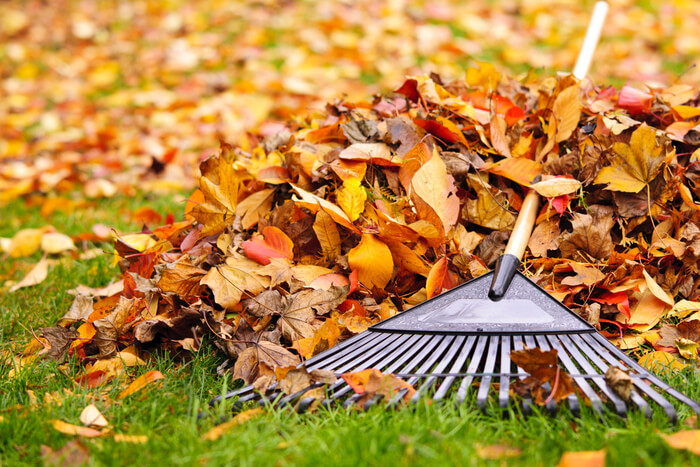
As the first days of autumn arrive, accompanied by a noticeable drop in temperature and daylight hours, it’s essential to take care of your garden to preserve its health. The leaves on flowers and plants begin to fall off, and the trees start to prepare for the cold winter months. In this article, we will discuss how to properly care for your garden during autumn, providing you with the knowledge and tools necessary to ensure a thriving garden throughout the year.
Understanding Autumn Garden Care
Autumn is a time when plants go into dormancy due to the decrease in daylight hours and lower temperatures. This period of reduced activity requires careful maintenance to ensure that your garden remains healthy and thriving throughout the year. Proper autumn garden care can help prevent pests, diseases, and nutrient deficiencies, ultimately leading to a more resilient plant.
Pruning Your Garden: A Crucial Aspect of Autumn Care
One of the most crucial aspects of autumn garden care is pruning. Pruning helps maintain the shape of your plants, promotes healthy growth, and encourages new blooms. Here are some tips for pruning your garden:
- Trim green shoots: Use scissors or pruning shears to trim any long, dead, or damaged branches from your flowers and shrubs.
- Cut back flowering stems: Remove spent flower stalks to encourage the plant to produce new blooms.
- Prune pollards: Cut back any long branches that are growing from the main stem of the plant. This will help distribute nutrients more evenly throughout the plant.
Why Pruning is Essential
Pruning is essential for several reasons:
- Promotes healthy growth: Pruning helps to promote healthy growth by encouraging new shoots and stems to grow from the center of the plant.
- Encourages blooming: Pruning can encourage flowers to bloom, especially after a long period of dormancy.
- Maintains shape: Pruning helps to maintain the shape of your plants, keeping them looking tidy and well-manicured.
Fertilizing Your Garden: Providing Essential Nutrients
Proper fertilization is essential for maintaining a healthy and thriving garden. Autumn is an excellent time to apply a balanced fertilizer that contains nitrogen, phosphorus, and potassium (NPK). You can choose between organic or chemical fertilizers; however, we recommend using biologically-based fertilizers as they are safer for the environment.
- Choose the right fertilizer: Select a fertilizer that contains essential nutrients like phosphorus, potassium, and magnesium.
- Apply at the right time: Apply the fertilizer in the fall, about 6-8 weeks before the first frost date.
- Follow application guidelines: Always follow the instructions on the fertilizer package to avoid over-fertilization.
The Importance of Soil Preparation
Soil preparation is crucial for maintaining a healthy and thriving garden. Autumn is an excellent time to prepare your soil by adding organic matter like compost or manure. This will help improve the structure and fertility of your soil, providing essential nutrients for next year’s growth.
- Add compost: Compost can help improve the structure and fertility of your soil, providing essential nutrients for next year’s growth.
- Use mulch: Mulch can help retain moisture in the soil and regulate temperature, creating an ideal environment for plant growth.
- Avoid over-fertilizing: Avoid over-fertilizing your garden, as this can lead to nutrient deficiencies and damage to plants.
Protecting Your Garden from Cold Weather
As temperatures drop, it’s essential to protect your garden from harsh winter conditions. Here are some tips for protecting your garden:
- Cover plants with a breathable cloth: Use a lightweight, breathable cloth to cover any sensitive or delicate plants.
- Mulch the soil: Apply a layer of organic mulch like leaves, straw, or wood chips to insulate the soil and retain moisture.
- Pile up debris: Collect fallen leaves and branches, and pile them around the base of your plants to create a barrier against cold air.
Conclusion
Autumn garden care is crucial for maintaining a healthy and thriving garden. By pruning, fertilizing, and protecting your plants, you can ensure that they survive the harsh winter months and emerge stronger in the spring. Remember to take care of your garden now, and reap the rewards throughout the year.
Frequently Asked Questions
- What is the best time to prune my garden?
The best time to prune your garden is during autumn, when plants are dormant. - Can I use chemical fertilizers instead of biologically-based ones?
We recommend using biologically-based fertilizers as they are safer for the environment and promote healthier plant growth. - How often should I fertilize my garden?
Fertilize your garden in the fall, about 6-8 weeks before the first frost date, to provide essential nutrients for next year’s growth. - What is the best way to protect my plants from cold weather?
Use a breathable cloth to cover sensitive plants, mulch the soil with organic materials, and pile up debris around the base of your plants. - Can I use mulch on all types of plants?
No, not all plants benefit from mulching. Research specific needs for each plant variety before applying mulch.
Additional Tips
- Always water your plants after pruning to help them recover and grow new shoots.
- Mulch around the base of your plants to retain moisture in the soil and regulate temperature.
- Use a layer of straw or wood chips around sensitive plants to protect them from cold weather.
By following these tips, you can ensure that your garden remains healthy and thriving throughout the year. Happy gardening!


