
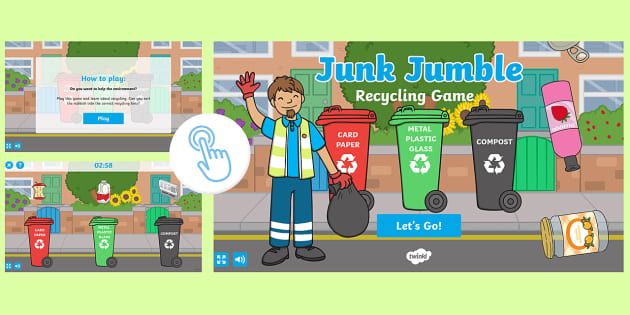
As parents, educators, and guardians, we often look for ways to instill important values in children, such as respect for the environment. One effective way to do this is through interactive play, which can help stimulate their first thoughts on environmental issues like waste management and resource efficiency.
In recent years, there has been a growing trend towards educational games that focus on teaching children about recycling and waste management. These games come in various forms, including multimedia formats and board games. With some creativity, you can create engaging games at home to teach your kids about the importance of proper waste disposal.
The Benefits of Playing Games About Recycling
Playing games about recycling can have numerous benefits for children. For one, it encourages them to think critically about their actions and how they impact the environment. It also helps develop problem-solving skills and promotes a sense of responsibility towards taking care of our planet.
Moreover, playing games that focus on recycling can help children understand the importance of separating different types of waste, such as paper, plastic, glass, and metal. This knowledge can translate into real-life actions, like reducing their carbon footprint and conserving natural resources.
Types of Games About Recycling
There are various types of educational games about recycling that cater to different age groups and learning styles. Some popular options include:
- Multimedia games: These interactive games can be played on computers or mobile devices, offering an immersive experience for children.
- Board games: Classic board games like “The Game of Cleanliness” teach children about the importance of recycling and proper waste disposal.
- Card games: Simple card games, such as matching games, can also help children learn about different types of waste and their corresponding recycling categories.
Creating Engaging Games at Home
You don’t need to purchase a specific game to teach your child about recycling. With some creativity, you can create engaging games at home that focus on this important topic.
Some ideas for creating interactive games include:
- Storytelling: Create a story where children are the heroes who save the world from pollution and waste.
- Puzzles and riddles: Design puzzles or riddles that teach children about different types of waste and their corresponding recycling categories.
- Scavenger hunts: Organize scavenger hunts around the house or neighborhood to encourage children to identify different types of waste and learn how to recycle them.
Examples of Educational Games About Recycling
Here are a few examples of educational games about recycling that you can try with your child:
- The Game of Cleanliness: A board game designed for 2-4 players, where the goal is to sort different types of waste into their corresponding recycling categories.
- Michael Go Recycle: An interactive online game developed by funschool, which teaches children about recycling and proper waste disposal.
Tips for Effective Gameplay
To make the most out of these games, here are some tips to keep in mind:
- Set clear goals: Establish a clear objective for the game, such as learning about different types of waste or developing problem-solving skills.
- Use visual aids: Incorporate images and diagrams to help children visualize the concepts being taught.
- Encourage teamwork: Design games that encourage collaboration between players, promoting a sense of community and shared responsibility.
Incorporating Real-Life Scenarios
To make these games more engaging and relevant, consider incorporating real-life scenarios that reflect everyday environmental challenges. For example:
- Sorting recyclables at home: Create a game where children have to sort different types of waste into their corresponding recycling categories.
- Reducing energy consumption: Develop a game that teaches children ways to reduce energy consumption at home and in the community.
Assessing Progress and Encouraging Continuous Learning
To ensure that your child is retaining the knowledge gained from these games, regularly assess their progress and encourage continuous learning. Here are some tips:
- Regular feedback: Provide regular feedback on their performance, highlighting areas of improvement and strengths.
- Encourage reflection: Help children reflect on their actions and think critically about how they can apply what they’ve learned in real-life situations.
- Set achievable goals: Establish achievable goals for continued learning and growth, promoting a sense of accomplishment and motivation.
By engaging your child in educational games that focus on recycling, you can help instill important environmental values and encourage them to take action towards creating a more sustainable future. With creativity and patience, you can create an immersive experience that fosters critical thinking, problem-solving skills, and a lifelong commitment to protecting our planet.


