
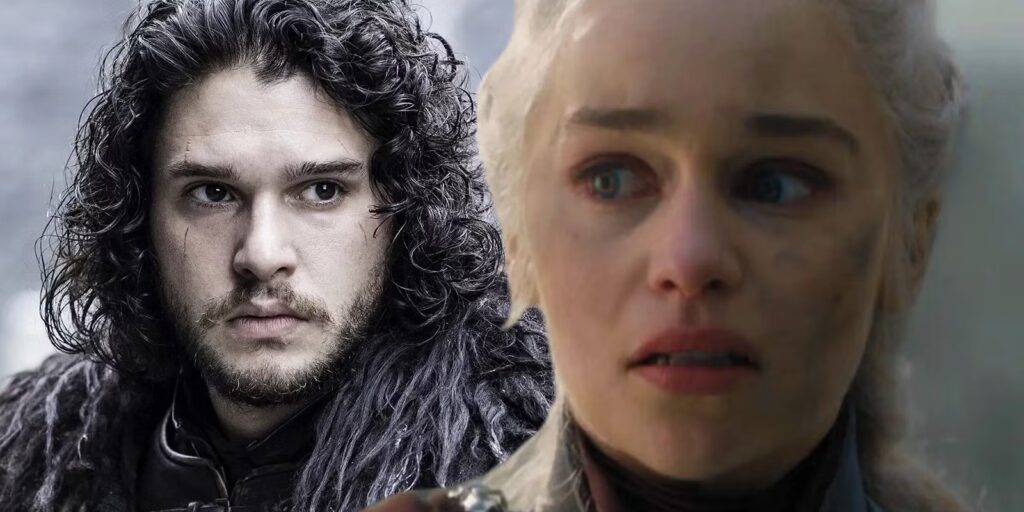
The conclusion of a beloved television series is always going to stir up intense emotions among its fanbase. For “Game of Thrones” watchers, the final season was a whirlwind of excitement, suspense, and, ultimately, controversy. The eighth season drew millions of viewers to their screens every week, yet it also sparked debates that will likely continue for years to come. Why were fans so divided over the final episodes? In this article, we’ll explore various facets of Season 8—from storytelling choices to character arcs—and delve into why the last chapters of Westeros left many feeling dissatisfied.
The Build-Up: Expectations vs. Reality
For nearly a decade, “Game of Thrones” had captivated audiences with its intricate narratives, well-developed characters, and gripping plot twists. The series became a cultural touchstone, setting high expectations for its final act. As speculation about the concluding season ramped up, theories about who would claim the Iron Throne, who would live and who would die, dominated online forums. Fans had invested years of their lives in the series, leading to heightened anticipation for the grand finale.
However, when Season 8 finally aired, many fans found themselves grappling with a disconnection between the build-up and the execution. The first few seasons of the series had been propelled by George R.R. Martin’s richly developed source material, allowing for slow-burning plots and character development. Yet, with the show outpacing the books, the final season seemed to rush through pivotal moments without the nuanced storytelling that defined earlier episodes.
Key Plot Points: The Rushed Conclusion
Season 8 comprised only six episodes, a stark departure from the elongated seasons fans had grown accustomed to. The reduction in episodes meant that major plot points had to be resolved quickly. For instance, the swift defeat of the Night King in the third episode, “The Long Night,” left many fans bewildered. After building up the White Walkers as the ultimate threat throughout the series, their abrupt elimination disappointed those who expected a more elaborate conflict.
Moreover, key character arcs that had been developed over several seasons—such as Daenerys Targaryen’s journey from a vulnerable princess to a powerful leader—faced scrutiny. While many fans welcomed her ascent to power, the sudden shift in her character in the final episodes felt unearned to others. The narrative choices made in Season 8 led to a consensus among many viewers that character motivations and developments had been sacrificed for the sake of expediency.
Character Transformations: Loved or Loathed?
Characters are often what make or break a show, especially one as rich in personalities as “Game of Thrones.” In Season 8, we saw stark transformations, most notably Daenerys and Jaime Lannister. Daenerys, who had been hailed as a progressive leader, began to exhibit alarming traits of authoritarianism, culminating in a shocking act of destruction in King’s Landing. While some fans viewed this transformation as a natural progression of her character, others felt it contradicted her previous journey, creating a divide over her final portrayal.
Jaime Lannister’s character arc also faced harsh criticism. The redemption trajectory he had undergone throughout the series appeared to negate itself in the final season. His decision to return to Cersei felt like a regression rather than a culmination of growth. While some fans argued that his love for Cersei justified his ultimate choices, others saw it as a betrayal of everything he had worked towards.
The Rise of Arya Stark: A Mixed Response
One of the most appraised arcs of Season 8 was Arya Stark’s journey. Her transformation from a girl in dire straits to a master assassin captured audiences’ hearts. However, her climactic confrontation with the Night King drew mixed reactions. For some fans, Arya’s moments of glory were as fulfilling as they were thrilling, showcasing her skills and determination. Others felt that this victory overshadowed other characters’ contributions and that her trajectory should have been more entwined with the show’s larger themes.
In this way, the finale raised questions not only about character arcs but also about narrative fairness. Did Arya’s storyline overpower others, leaving less room for a more collective resolution to the threat of the undead? Fans were left debating the merits of her ascent versus the perceived neglect of other vital characters.
[amazon box=”B08XLLF3PG”]
The Battle of King’s Landing: A Pyrrhic Victory
Few episodes are as hotly debated as “The Bells,” where Daenerys unleashed her wrath upon King’s Landing. The devastation witnessed during this battle split audiences, with some praising the shocking visuals and others arguing that it betrayed the series’ broader themes of morality and consequences. The notion that a beloved character could engage in such reckless destruction raised alarms among viewers, challenging their emotional investment in her journey.
But more than just character integrity, the human cost of war took center stage in this episode. Some fans appreciated the examination of war’s horrors, while others felt the ramifications were glossed over for dramatic flair. The choice to depict destruction rather than a strategic battle left a lingering sense of confusion and disappointment, causing factions of fans to clash over interpretation and intention.
Pacing: The Need for Expansion
The pacing of Season 8 became another focal point in the discussions surrounding the finale. The rapid progression of events, from character transformations to climactic battles, left many feeling a sense of whiplash. Episodes that could have benefitted from further development—such as the build-up to Daenerys’ final decisions or deeper explorations of the aftermath of major events—were instead streamlined, which detracted from the emotional depth the series was known for.
Fan theories had predicted a range of outcomes based on how pivotal moments might unfold, leading to widespread realizations that expectations would not fully align with reality. The need for a more expansive narrative that could delve into character motivations and emotional consequences ultimately left many viewers feeling shortchanged.
The Conclusion: Epilogues and Resolution
By the time the series reached its finale, viewers were left with the challenge of reconciling their fondness for a show that had once captured their imaginations with the realities of its endings. The last moments—the crowning of Bran Stark and the subsequent fates of the remaining characters—were met with divided reactions. Some fans argued that Bran’s ascension as king aligned with the series’ overarching theme of breaking traditional power structures. Others, however, felt that his ascension lacked context and depth.
The division continued with the series’ epilogue, which left some viewers feeling it missed a proper reckoning with the events that had unfolded. Many craved closure that resonated with the nuanced storytelling of earlier seasons. Despite the attempts to provide a resolution, the discontent with the characters’ fates amplified the feelings of disillusionment.
Conclusion: A Legacy Marked by Division
In the wake of “Game of Thrones,” what remains is a legacy marked by debate, introspection, and a deep sense of attachment. While the series brought together a passionate community of fans, its concluding season introduced an undeniable rift that reflected the broader complexities of storytelling in modern television.
So, why were fans divided over the final episodes of Season 8? Perhaps it is the fundamental disparity between their hopes and the execution of the narrative. It could be that the compression of such monumental storytelling into just six episodes wrought an imbalance that fans couldn’t overlook. As new series come and go and fandoms ebb and flow, the discussions spurred by “Game of Thrones” will undoubtedly continue, leaving an indelible mark on the landscape of television history.
As viewers reflect on the last moments in Westeros, they can find solace in the fact that passionate discussions, analyses, and arguments signify the show’s profound impact. In the end, even divided opinions yield a sense of community—a shared love for the world that Danerys, Jon Snow, and the rest of the memorable cast inhabited. Whether remembered for its grandeur or its missteps, the legacy of “Game of Thrones” will persist as a touchstone for generations of fans and creators alike.


