
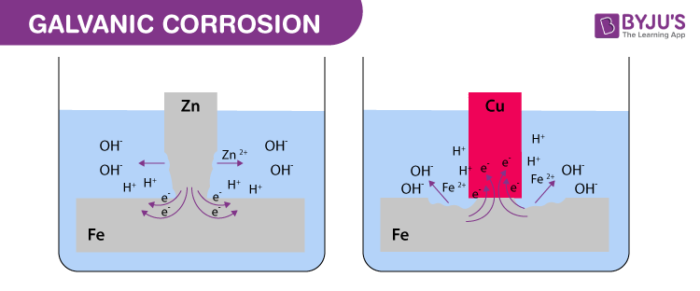
Understanding Corrosion: A Guide to Galvanic and Electrochemical Damage
Corrosion is a natural process that can have devastating effects on materials, especially in the presence of moisture and electrochemical reactions. Understanding corrosion is crucial for preventing damage and ensuring the longevity of various structures and devices.
What is Corrosion?
In simple terms, corrosion refers to the slow and irreversible degradation of a material’s physical properties due to an external factor. This process can be triggered by chemical or physical interactions between the material and its environment. In essence, corrosion is a type of “consumption” that can lead to a loss of quality and functionality.
Understanding Electrochemical Corrosion
Corrosion involves electrochemical reactions between materials and their surroundings. When two materials with different properties are placed in contact, an electric potential difference arises. This potential difference can drive the transfer of electrons between the materials, resulting in corrosion.
There are several types of electrochemical corrosion, including:
- Galvanic Corrosion: The most common type of electrochemical corrosion, which occurs when two or more metals with different properties come into contact with each other and an electrolyte (such as water).
- Electrochemical Corrosion: A broader category that encompasses various types of corrosion, including galvanic corrosion.
- Corrosion due to direct attack: Chemical reactions between the material and its environment can lead to corrosion.
- Mechano-chimical corrosion: Physical damage to the material can trigger chemical reactions that accelerate corrosion.
- Tensile corrosion: The combination of tensile forces and corrosive substances can cause significant damage.
Galvanic Corrosion: Causes and Prevention
Galvanic corrosion occurs when two or more metals are in contact, causing one to act as an anode (positive electrode) and the other as a cathode (negative electrode). The difference in electrochemical potential between the materials drives the transfer of electrons, leading to corrosion.
To prevent galvanic corrosion:
- Use compatible materials: Select materials that are resistant to corrosion in similar environments.
- Avoid contact with corrosive substances: Prevent exposure to acidic or alkaline substances that can accelerate corrosion.
- Properly seal connections: Ensure that all connections between materials are properly sealed to prevent moisture and electrolytes from entering.
Electrochemical Corrosion: Types and Causes
In addition to galvanic corrosion, there are other types of electrochemical corrosion, including:
- Corrosion due to direct attack: Chemical reactions between the material and its environment can lead to corrosion.
- Mechano-chimical corrosion: Physical damage to the material can trigger chemical reactions that accelerate corrosion.
- Tensile corrosion: The combination of tensile forces and corrosive substances can cause significant damage.
Corrosion in Dental Applications
In dentistry, corrosion is a concern due to its potential impact on oral health. Erosion of dental materials can lead to tooth decay, sensitivity, and other issues.
To prevent corrosion in dentistry:
- Choose materials that are resistant to corrosion: Select materials that are non-toxic and non-reactive with the oral environment.
- Avoid exposure to corrosive substances: Prevent exposure to acidic or alkaline substances that can accelerate corrosion.
- Properly seal connections: Ensure that all connections between materials are properly sealed to prevent moisture and electrolytes from entering.
Conclusion
Understanding the causes and effects of galvanic and electrochemical corrosion is essential for preventing damage and ensuring the longevity of various structures and devices. By choosing compatible materials, avoiding corrosive substances, and properly sealing connections, you can minimize the risk of corrosion and maintain the integrity of your assets.
Frequently Asked Questions:
- What is the main cause of galvanic corrosion?
Galvanic corrosion occurs when two or more metals with different properties come into contact with each other and an electrolyte (such as water). - How can I prevent galvanic corrosion?
To prevent galvanic corrosion, use compatible materials, avoid exposure to corrosive substances, and properly seal connections. - What are the types of electrochemical corrosion?
There are several types of electrochemical corrosion, including galvanic corrosion, corrosion due to direct attack, mechano-chimical corrosion, and tensile corrosion. - How can I prevent corrosion in dental applications?
To prevent corrosion in dentistry, choose materials that are resistant to corrosion, avoid exposure to corrosive substances, and properly seal connections. - What is the impact of corrosion on oral health?
Corrosion can lead to tooth decay, sensitivity, and other issues in dentistry.
By understanding the causes and effects of galvanic and electrochemical corrosion, you can take steps to prevent damage and maintain the integrity of your assets.


