
Introduction
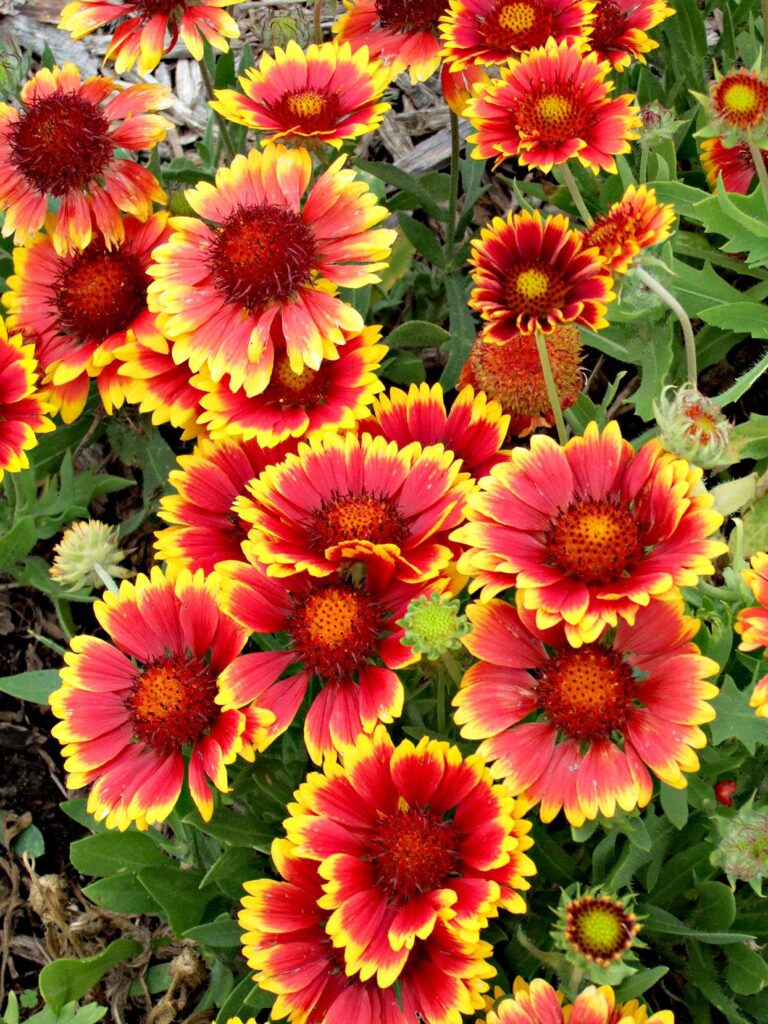
If you’re looking for a vibrant and eye-catching addition to your garden or balcony, the Gaillardia flower is an excellent choice. With its bright colors and unique appearance, it’s sure to attract attention and add a pop of color to your outdoor space. In this article, we’ll delve into the world of Gaillardia, exploring its different types, care requirements, and cultivation methods.
What is Gaillardia?
Gaillardia is a genus of flowering plants that are native to North America. There are over 30 species within this genus, with various colors, shapes, and sizes. Gaillardias are perennial plants, meaning they come back year after year, and can grow up to 30-50 cm in height.
Types of Gaillardia
There are several types of Gaillardia, each with its unique characteristics:
- Gaillardia pulchella: This is one of the most common species, known for its delicate flowers and slender stems.
- Gaillardia aristata: Native to North America, this variety is prized for its bright yellow petals and compact growth habit.
- New entries: With advancements in breeding, new hybrid varieties have emerged, offering an array of colors and shapes.
Care Requirements
To ensure your Gaillardia flourishes, follow these care guidelines:
- Sunlight: Provide at least a few hours of direct sunlight per day. East- or west-facing spots are ideal.
- Temperature: Avoid temperatures below 10°C (50°F) or above 30°C (86°F).
- Watering: Water sparingly, as Gaillardias are prone to root rot if overwatered. Aim for a soaking once a week during the growing season.
- Soil: Use well-draining soil with a pH between 6.0 and 7.0.
Cultivation Methods
To propagate your Gaillardia, you can use:
- Sowing seeds: Sow seeds indoors in early spring or outdoors in late summer/early fall.
- Dividing: Divide established plants in the fall, making sure each section has at least one growing point.
- Cuttings: Take cuttings from mature plants and plant them immediately.
Common Problems
Some common issues with Gaillardias include:
- Pests: Watch out for aphids, whiteflies, and spider mites.
- Diseases: Keep an eye out for powdery mildew and leaf spot.
By following these guidelines and tips, you’ll be well on your way to becoming a Gaillardia expert!
Propagation Techniques
To expand your collection of Gaillardias, try the following propagation techniques:
- Seed Germination: Sow seeds indoors in early spring or outdoors in late summer/early fall.
- Stem Cuttings: Take cuttings from mature plants and plant them immediately.
- Division: Divide established plants in the fall, making sure each section has at least one growing point.
Companion Planting
When planting Gaillardia with other flowers or herbs, consider the following companion planting options:
- Marigold: These bright yellow and orange flowers repel nematodes that can harm Gaillardias.
- Bee Balm: This fragrant herb attracts pollinators to your garden.
- Black-eyed Susan: Another daisy-like flower, it provides a nice contrast in texture and color.
Deadheading
To encourage more blooms from your Gaillardia, try deadheading:
- Remove spent flowers: Cut off the faded blooms to direct the plant’s energy towards producing new flowers.
- Trim back spent stems: Remove any wilted or damaged stems to prevent disease and encourage healthy growth.
Pruning
To maintain your Gaillardia’s shape and size, prune as follows:
- Cut back tall stalks: Trim back any stems that grow too tall, promoting a bushier plant.
- Remove deadwood: Remove any damaged or dead wood to prevent disease and promote healthy growth.
Pest Control
To keep pests under control, try the following methods:
- Inspect plants regularly: Check your Gaillardia for signs of pests or diseases.
- Use neem oil: Spray neem oil on affected areas to repel pests and prevent infestation.
- Hand-picking: Regularly hand-pick any visible pests to prevent infestation.
Common Diseases
To prevent common diseases like powdery mildew, leaf spot, or root rot:
- Water wisely: Avoid overwatering, which can lead to root rot and other issues.
- Provide good air circulation: Ensure that your Gaillardia has enough space to breathe and dry out between waterings.
- Use fungicides: Apply fungicides as needed to prevent the spread of diseases.
By following these guidelines and tips, you’ll be well on your way to becoming a Gaillardia expert!
Additional Tips
- Provide support: For tall varieties, provide support with stakes or trellises to keep them upright.
- Mulch around plants: Mulching helps retain moisture and suppress weeds.
- Monitor for weeds: Regularly remove weeds that compete with your Gaillardia for water and nutrients.
Conclusion
In conclusion, the Gaillardia flower is a beautiful addition to any garden or balcony. With its vibrant colors and unique appearance, it’s sure to attract attention and add a pop of color to your outdoor space. By following these care guidelines and cultivation methods, you’ll be well on your way to becoming a Gaillardia expert!


