
Introduction
In Japanese culture, the word “Zen” originates from the Sanskrit term “dhyana,” meaning meditation and contemplation. The concept of Zen has evolved to encompass not only spiritual practices but also a way of life that emphasizes simplicity, harmony, and balance in all aspects of existence. In this article, we’ll explore how applying Zen principles to home decor can lead to a more peaceful, restful, and fulfilling living space.
The Essence of Zen in Home Decor
Zen philosophy views the home as an extension of one’s inner self. It’s about creating a harmonious environment that promotes well-being and relaxation. By incorporating natural elements, minimal ornamentation, and functional simplicity, you can create a space that nurtures your body, mind, and spirit.
Natural Elements in Home Decor
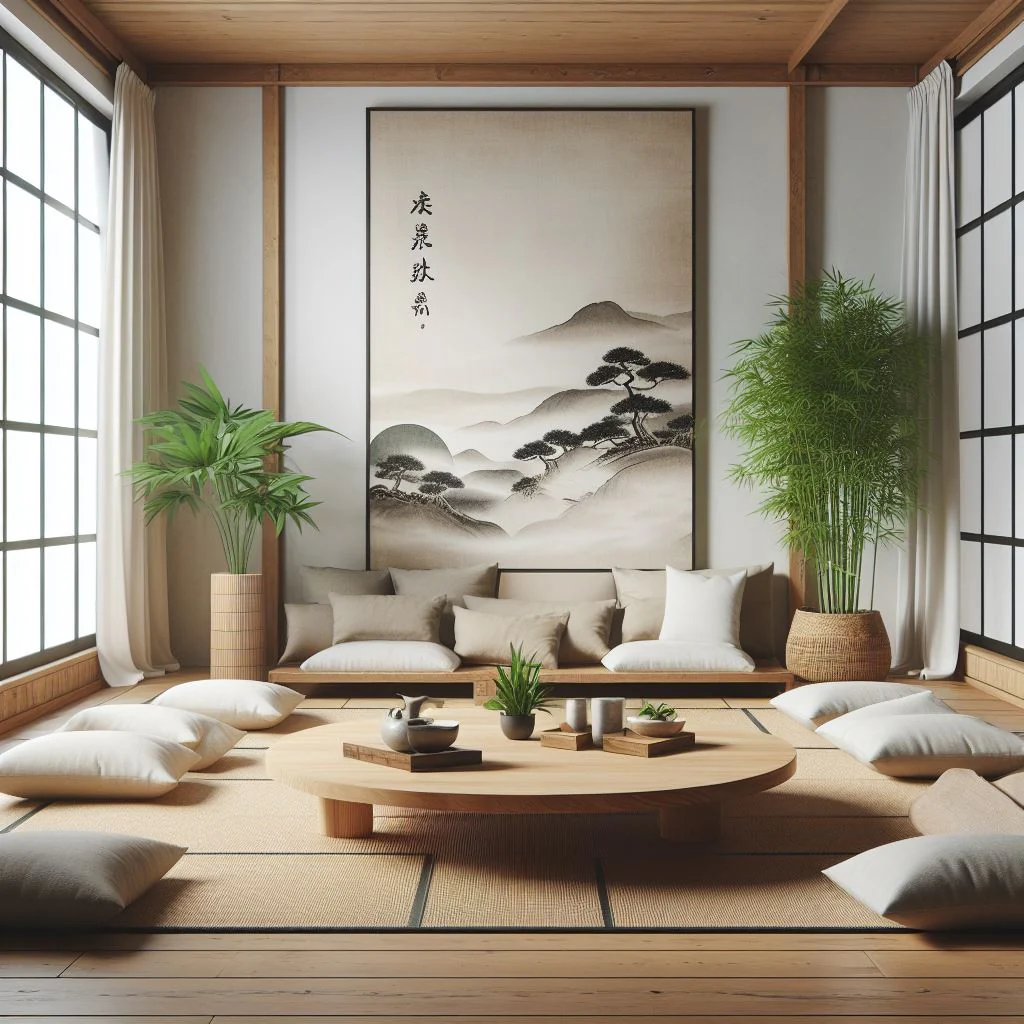
One of the key principles of Zen design is the incorporation of natural elements into your home decor. This can be achieved through the use of materials such as wood, cotton, and bamboo for furniture and textiles. Natural light can also play a significant role in creating a sense of calmness and serenity.
Simplicity and Order
Zen encourages the application of simplicity and order in all aspects of life. This extends to home decor, where fewer elements are often more effective. By minimizing clutter and ornamentation, you can create a sense of clarity and calmness that pervades every area of your living space.
Minimalist Decor
Incorporating minimalist decor into your home design can have a profound impact on the overall ambiance of your space. Simple shapes, clean lines, and subtle patterns can all contribute to a sense of calmness and serenity. By minimizing ornamentation and focusing on functionality, you can create a space that is both beautiful and practical.
Incorporating Zen Principles into Your Home Decor
To bring the principles of Zen into your home decor, consider the following:
- Use natural materials such as wood, cotton, and bamboo for furniture and textiles.
- Incorporate plants and greenery to promote air quality and a sense of connection to nature.
- Opt for low-lighting options or dimmable lighting to reduce visual stimulation.
- Choose minimalist decor that emphasizes clean lines, simple shapes, and subtle patterns.
Inspiration from Japanese Design
Japan is renowned for its minimalist aesthetic, which embodies the principles of Zen. Traditional Japanese design features tatami mats, futons, and low-slung beds that create a sense of calmness and serenity. These elements can be incorporated into your home decor to achieve a similar ambiance.
Furniture and Layout
When it comes to furniture and layout, consider the importance of balance and harmony. In traditional Japanese design, furniture is often arranged in a way that creates a sense of flow and continuity. This can be achieved by using simple shapes, clean lines, and minimal ornamentation.
Lighting Options
Incorporating lighting options into your home decor can have a significant impact on the overall ambiance of your space. Natural light can play a major role in creating a sense of calmness and serenity, while low-lighting options or dimmable lighting can reduce visual stimulation.
Plants and Greenery
Planting greenery in your home can have numerous benefits, from promoting air quality to providing a sense of connection to nature. By incorporating plants into your home decor, you can create a space that is both beautiful and sustainable.
Materials and Textiles
When it comes to materials and textiles for furniture and decor, consider the importance of natural fibers such as wood, cotton, and bamboo. These materials can help minimize our ecological footprint while creating a sense of warmth and comfort in your home.
Sustainable Materials
As we navigate the challenges of climate change, it’s essential to adopt sustainable practices in our daily lives. By incorporating eco-friendly materials into your home decor, you can reduce waste, conserve resources, and create a more environmentally conscious lifestyle.
The Future of Sustainable Home Decor
As sustainability becomes increasingly important, it’s likely that we’ll see a shift towards more eco-friendly materials and practices in the world of home decor. By embracing Zen principles in our home decor, we can reduce waste, conserve resources, and create a more environmentally conscious lifestyle.
Conclusion
By applying the principles of Zen to our home decor, we can cultivate a sense of harmony and balance that permeates every aspect of our lives. Whether you’re looking to reduce stress, promote relaxation, or simply create a more sustainable living space, embracing Zen in your home decor is an excellent starting point.
Frequently Asked Questions
- What are the key principles of Zen design?
- Simplicity, harmony, balance, and minimalism.
- How can I incorporate natural elements into my home decor?
- Use natural materials such as wood, cotton, and bamboo for furniture and textiles. Incorporate plants and greenery to promote air quality and a sense of connection to nature.
- What is the significance of low-lighting options in Zen design?
- Low-lighting options or dimmable lighting can reduce visual stimulation, creating a calming atmosphere that promotes relaxation and restfulness.
- Can I apply Zen principles to small spaces?
- Yes, by using multi-functional furniture pieces, incorporating plants, and employing minimal decor, you can create a serene and functional space even in small areas.
- How can I incorporate traditional Japanese design elements into my home decor?
- Consider using tatami mats, futons, and low-slung beds to create a sense of calmness and serenity. You can also add subtle patterns and minimal ornamentation to achieve a similar ambiance.
- What role does sustainability play in Zen design?
- Sustainability is an integral aspect of Zen philosophy, emphasizing the importance of reducing waste, conserving resources, and living in harmony with nature.
- Can I combine modern elements with traditional Japanese design?
- Yes, by incorporating modern materials and styles while maintaining the essence of traditional Japanese design, you can create a unique and harmonious space that blends contemporary flair with timeless simplicity.
- How can I balance functionality and aesthetics in my home decor?
- By considering both form and function when selecting furniture and decor, you can create a space that is not only visually appealing but also practical and sustainable.
Tips for Incorporating Zen Principles into Your Home Decor
- Create a calming atmosphere by incorporating low-lighting options or dimmable lighting.
- Use natural materials such as wood, cotton, and bamboo for furniture and textiles.
- Opt for minimalist decor that emphasizes clean lines, simple shapes, and subtle patterns.
- Incorporate plants and greenery to promote air quality and a sense of connection to nature.
- Consider using traditional Japanese design elements such as tatami mats, futons, and low-slung beds.
- Balance functionality and aesthetics by considering both form and function when selecting furniture and decor.
Common Mistakes to Avoid in Zen Design
- Over-accessorizing: Avoid cluttering your space with too many decorative items that can create visual stimulation and disrupt the calming atmosphere.
- Ignoring natural light: Make sure to incorporate natural light into your design to create a sense of warmth and comfort.
- Using too much color: While some color can be beneficial, too much can overwhelm the senses and create visual stimulation.
- Neglecting sustainability: Remember that sustainability is an integral aspect of Zen philosophy, so make sure to use eco-friendly materials and practices in your design.
Conclusion
By incorporating Zen principles into your home decor, you can cultivate a sense of harmony and balance that permeates every aspect of your life. Whether you’re looking to reduce stress, promote relaxation, or simply create a more sustainable living space, embracing Zen in your home decor is an excellent starting point.


